
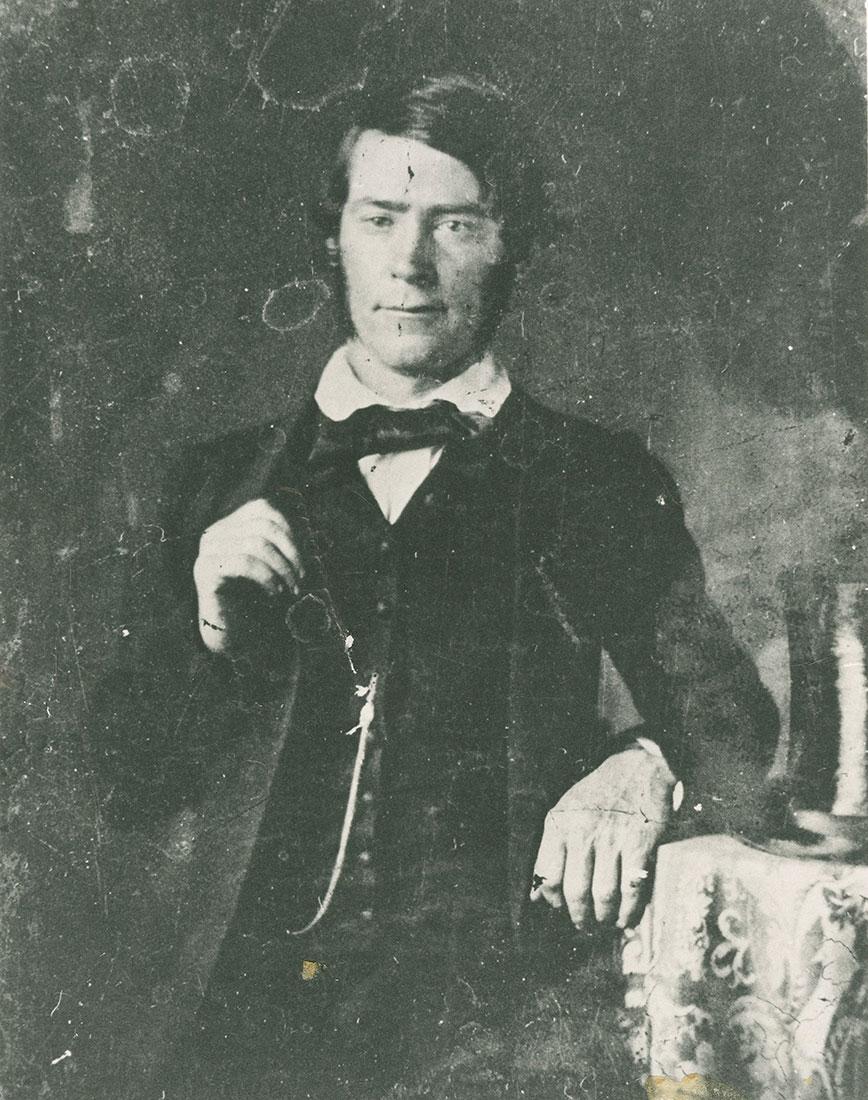
From poverty in Ireland to California’s goldfields and the sweeping estates of early Brisbane, James Toohey’s remarkable life story is one of ambition, resilience and Irish determination.
Long before Brisbane’s southern suburbs became home to busy roads, universities and growing communities, much of the land around Nathan, Mount Gravatt and Toohey Forest was part of the vast pastoral holdings of one remarkable Irish immigrant.
His name was James Toohey — a Galway-born adventurer whose journey took him from hardship in Ireland to the California gold rush before he emerged as one of the early colony of Queensland’s most successful landowners.
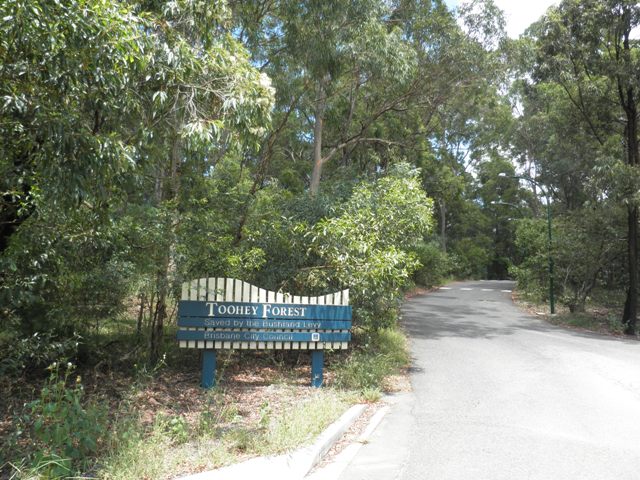
Today, his name lives on in Toohey Forest, one of Brisbane’s great natural reserves, but behind the name is a story of migration, struggle and achievement that reflects the experience of many Irish immigrants who helped build Australia.
James Toohey was born in Galway in 1827, the son of Peter and Bridget Toohey (née Dirnan). His family’s early years were difficult. His father had served in the British Army and later sought opportunities overseas, bringing the family to Australia in the 1830s. They initially settled in Tasmania before moving to Sydney after family circumstances changed.
Like many young men of his generation, James was drawn by the promise of opportunity. In 1849, he travelled to California during the great gold rush. Rather than finding instant riches by digging for gold, he built his fortune through his trade as a blacksmith — a skilled occupation that was in constant demand in the rapidly expanding mining settlements.
With money behind him, James returned to Australia and turned his attention north to the young colony of Queensland.
Brisbane in the mid-19th century was still a developing settlement, but Toohey recognised the potential of land ownership. He invested heavily in property, purchasing large tracts of land south of Brisbane. His holdings eventually stretched across areas that would later become some of the city’s most familiar suburbs.
In 1872, Toohey purchased large areas of what became known as Toohey Forest. The land was used for grazing cattle and formed part of his vision for creating long-term security and prosperity for his family.
James was not simply a land speculator. He was also deeply connected to Brisbane’s Irish Catholic community at a time when Irish immigrants were establishing themselves in the colony. Like many successful Irish Australians of the era, he moved from being an outsider in a new land to becoming part of the social and economic fabric of Queensland.
His success allowed the family to gain the security and status that had been impossible during his early years of hardship.
James Toohey died in 1883, leaving behind a considerable estate and a legacy that remains visible more than a century later. His family’s lands eventually became part of Brisbane’s public landscape, with Toohey Forest preserved as a valuable bushland area enjoyed by generations of Queenslanders.
A family graveyard on the mountain ridge
Perhaps the most fascinating chapter in James Toohey’s story came after his death.
When the Galway-born pioneer died on 22 November 1883, he was buried at South Brisbane Cemetery in Dutton Park. But his final resting place would not remain there.
His widow Ann Toohey (née Doherty), who died in 1901, had a very different resting place planned. By then the Toohey family had established a private cemetery on their Mount Galway property at Mount Gravatt — a quiet ridge overlooking the lands that James had worked so hard to acquire. There, among the family estate that had become their Australian home, the Tooheys created their own burial ground.
James’s remains were later removed from South Brisbane Cemetery and reinterred beside his wife in the family cemetery. It was a deeply Irish tradition: even thousands of miles from Galway, the family sought to keep their loved ones together on their own land.
For decades, the small private cemetery remained on the Toohey property, surrounded by the landscape that carried the family name. But as Brisbane expanded, the land changed hands and the city grew around the old pastoral estates.
In 1940, the eight graves from the Toohey Family Private Cemetery were relocated to Mount Gravatt Cemetery, where they remain today in Portion 4F. Among them is the grave of James.
The movement of the graves tells another story — not just of one family, but of a changing Brisbane. The old private estates of pioneer families gradually became suburbs, roads, schools and parklands. Yet the names remained: Toohey Road, Toohey Forest and the cemetery memorials preserving the memory of those who helped build the district.
Today, visitors walking through Mount Gravatt Cemetery can still find the resting place of the Toohey pioneers — a reminder that beneath the modern city lies the story of the immigrants who came before it.
The story of James Toohey is more than the story of one successful businessman. It is the story of an Irish immigrant who arrived with little, endured hardship, seized opportunities and helped shape the city that would become his home.
From Galway to Brisbane, his journey reflects the courage and determination that defined so many Irish migrants who crossed the world seeking a better future.

