

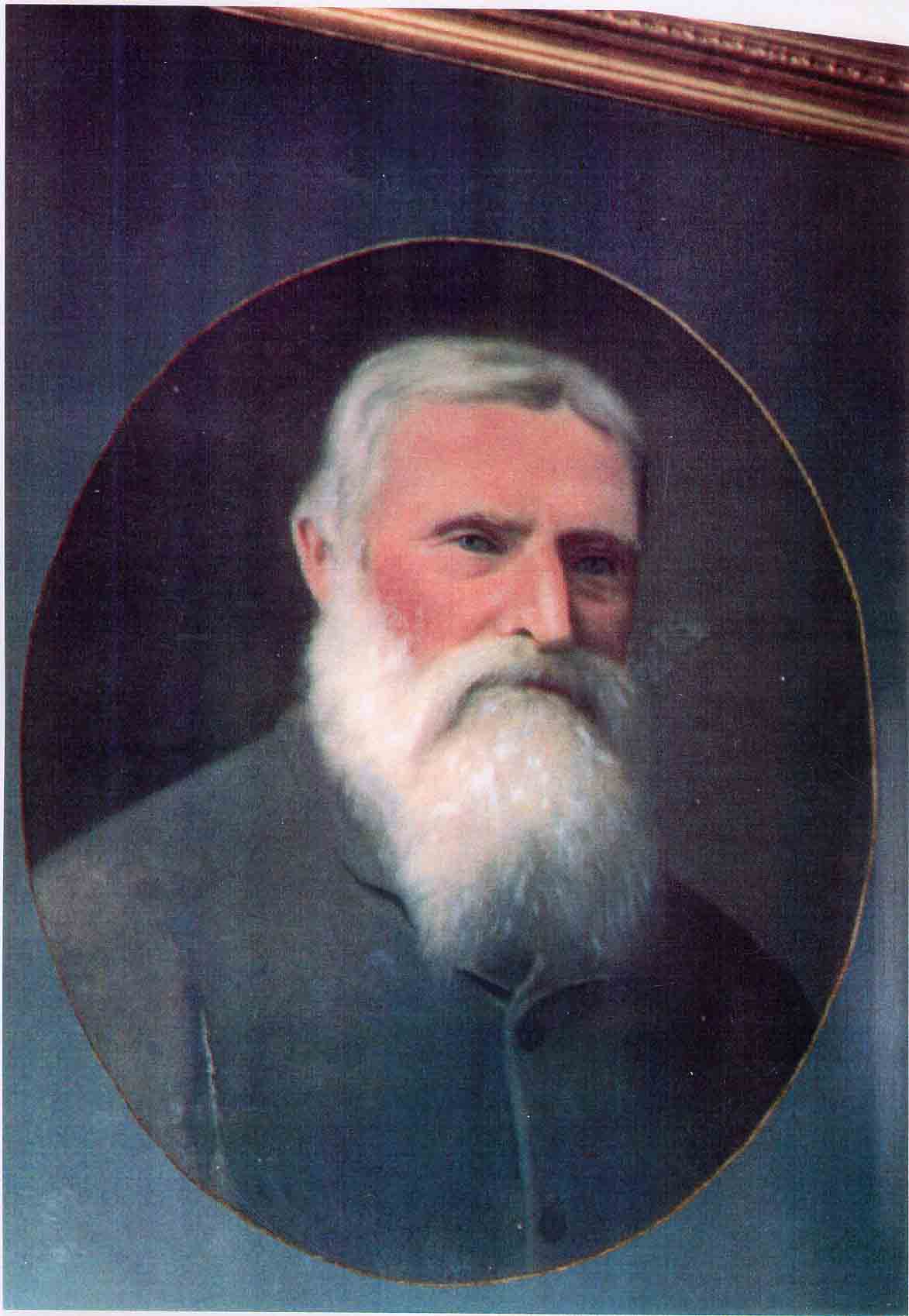
Few Irish-Australian migration stories begin in such unusual surroundings as Hugh Mahoney’s. Before he became a Queensland pioneer, Hugh Harvest Mahoney spent more than a decade living with his family in a cramped, cold, dark basement beneath a museum.
Hugh was born in about 1800 in County Cork, Ireland and like many Irish at that time, moved to Wales in search of work.
From 1841, the Irish-born immigrant, his wife Elizabeth and their growing family called the basement of Swansea Museum home, sleeping in cramped bunks in dark stone archways. While visitors strolled through exhibitions upstairs, the Mahoneys ate, slept and raised their children in a series of dark stone-vaulted chambers below ground.
Today, Swansea Museum is celebrated as the oldest museum in Wales. In the 1840s and 1850s, however, part of the building also served as accommodation for its caretaker, Hugh Mahoney.
The rooms under the museum were officially described as apartments, but surviving basement vaults reveal a far harsher reality. Thick stone walls, low ceilings, little natural light and cramped sleeping quarters made for difficult living conditions. As the family expanded, space became increasingly scarce. The children slept in bunks tucked into the arches while the sounds of Swansea’s busy waterfront echoed through the building above.
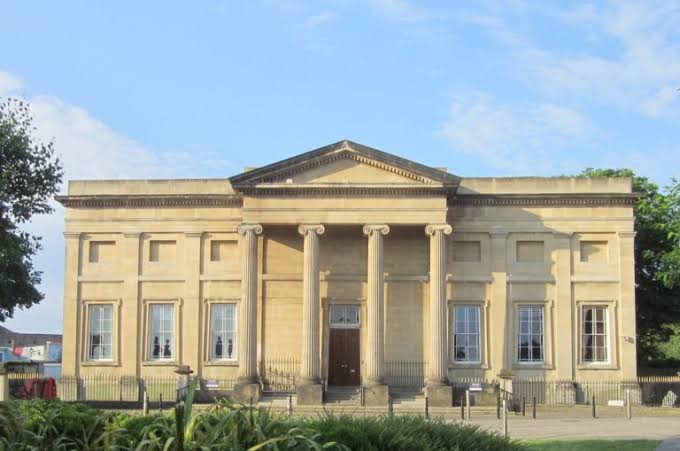
In March 1841 he was appointed keep and sub-curator at the brand new building which today is Swansea Museum, “at a salary of 20/- per week with coal and candles”.
For fifteen years Mahoney faithfully carried out his duties. He cleaned the museum, maintained the building, cared for its collec- tions and acted as caretaker for one of Swansea’s most important public institutions. The building was the headquarters of The Royal Institution of South Wales, a private club hosting some of the most powerful men in Wales. Hugh’s hours were long and his pay was modest, and the family relied heavily on the accommodation provided.
Hugh was respected and praised for his intelligence and good conduct, according to reports.
See the basement in this video:
Then in 1850, disaster struck.
Financial pressures engulfed the institution during the 1850s. As expenses were scrutinised, Mahoney found himself caught in a bitter dispute. He lost his position after accusations emerged concerning missing money. The dismissal destroyed the family’s livelihood. The former caretaker found himself bankrupt, unemployed, publicly embarrassed and struggling to support a large household.
For a man whose family lived in employer-provided accommodation, losing his job meant losing his home as well.
Faced with mounting debts and dwindling prospects, Mahoney made a decision that countless Irish families of the era also con- fronted: he would start again on the other side of the world. In 1857, Hugh, Elizabeth and seven children boarded a vessel bound for Australia. The voyage was anything but easy.
Nineteenth-century emigrant journeys could take three or four months. Families endured cramped quarters, storms, disease and constant uncertainty. For the Mahoneys, the journey brought tragedy, adding further hardship to an already difficult chapter in their lives.
The family left from Liverpool on 27 August 1852, aboard the America. Elizabeth was pregnant and went into labour on about 7 September. Neither she nor the child survived.
Hugh and his surviving children, Honora, Ellen, Elizabeth, Catherine, Hugh, Thomas and John, arrived in the new and remote colony of Moreton Bay on 10th January 1853. They were therefore amongst the earliest generations of free settlers in the Brisbane region. Hugh had it recorded that his wife had been “badly treated” and the ship was the subject of two newspaper articles concerning numerous problems. There was a shortage of provisions, and the doctor was the subject of numerous complaints, especially concerning his abusive conduct towards people and his being drunk. The boat also had a defective mast.
The Moreton Bay Courier of Saturday, 5 Mar 1853, published: ‘THE SHIP “AMERICA.”
‘To the Editor of the Moreton Bay Courier. ‘Sir, (Log Extracts) – The particulars of our treatment in the ship America were so many that to give a correct account of all the cases of cruelty that were endured would be impossible.
A Mr Hugh Mahoney, who is now with his children in the depot, had his bed and bed clothes taken away by the Doctor as soon as he came on board the ship. The doctor put them into the hospital. Other clothes for the berths were in the berth before he came, and had been slept on for about a week. These beds were afterwords found to be in a filthy condition. They were thrown overboard. Mr Mahoney had an altercation with the Captain about these beds and ever afterwards on the passage Mahoney suffered from an odium he did no deserve. About Sept 17th Mrs Mahoney was taken in childbirth. She informed the Doctor that she expected to be immediately confined, when the Doctor told her that if she was not confined in ten minutes after her admission in to the hospital, she should be locked up until morning. She was not delivered but was locked up – no one to attend her. The husband walked the deck all night – could not render her any assistance. The child was born, and lived a few hours. When it was dying, the doctor came and bathed it; but alas it was dead, as everybody knew. Through the ill effects of her confinement, this poor unfortunate woman, in about 11 weeks, died of pure want. The medical comforts were denied her; she only having 11⁄2 pint of porter during her whole sickness, (which did her a deal of good.) The provisions were such as she could not take, and the medical comforts were denied her. The husband, now a widower with seven children – four of them very small ones – is left to make his way as best he can in a strange country. In consequence of the loss of the bed, which was thrown overboard, he had to sleep 11 weeks on a seat 11 inches wide, from which he fell several times, owing to the rocking of the vessel.’
After arriving in Queensland, Mahoney moved into the frontier districts south of Brisbane. The former museum caretaker rein- vented himself as a bushman, cedar getter and settler. It was a remarkable transformation. A man who had spent years tending exhibits and sweeping museum floors was now carving out a living in dense subtropical scrub.
He eventually established himself at Coburg Creek near present-day Canungra and Wonglepong. Life there could hardly have been more different from Swansea. Instead of stone vaults beneath a city museum, Mahoney lived amid towering forests, rough tracks and scattered settlements. The district was still being opened up by European settlers, and daily life demanded resilience, resourcefulness and hard physical labour.
Mahoney kept diaries and records of his experiences, providing a rare glimpse into pioneer life in nineteenth-century Queensland. He became part of the generation that helped establish farming and settlement in the region long before modern roads and towns appeared.
His family prospered. Children who had once slept in cramped basement quarters beneath a Welsh museum became part of Queensland’s pioneering story.
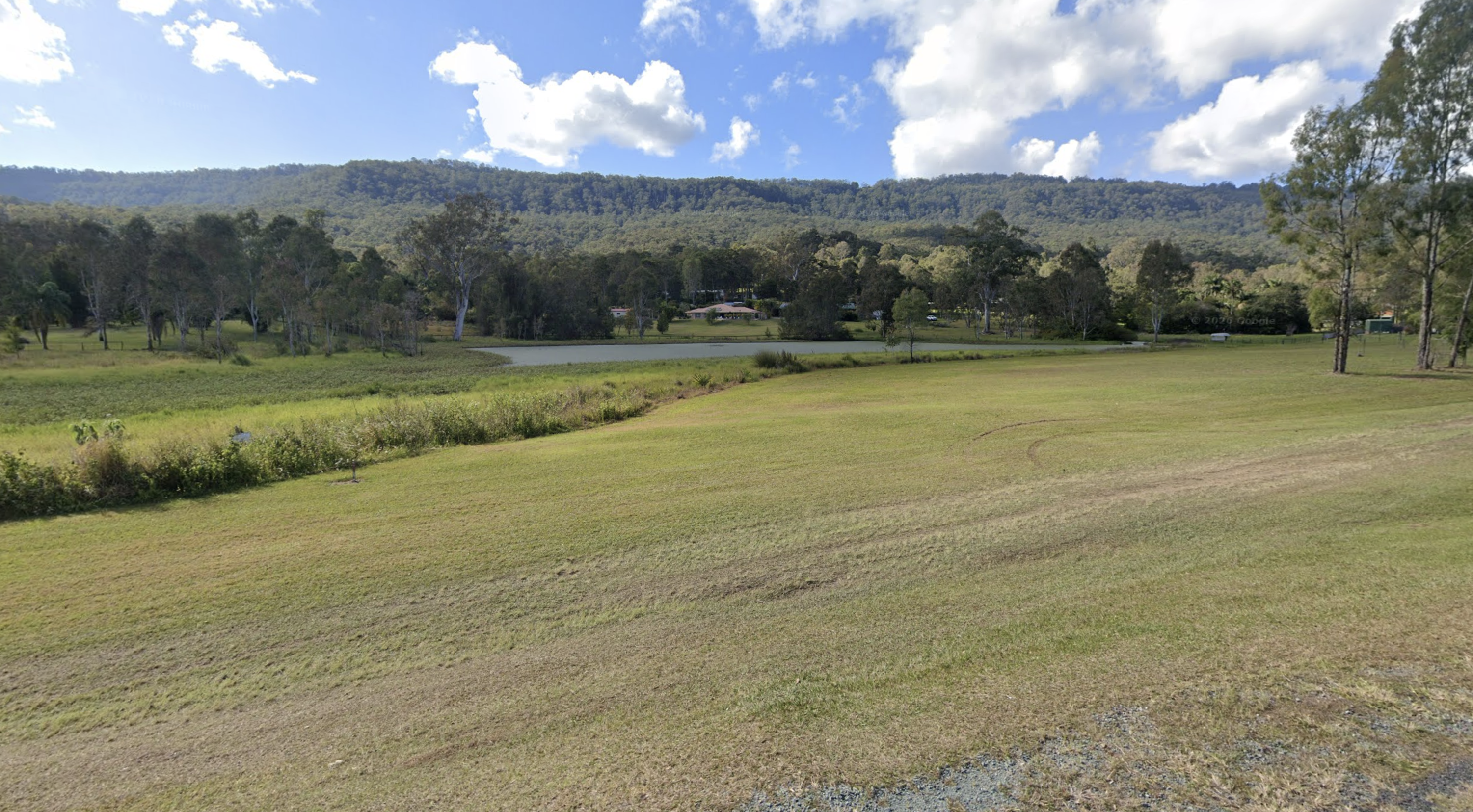
Hugh died in 1886. The Brisbane Courier of 4 Aug 1886 reported: ‘It is with regret I have to announce the death of Mr. Hugh Mahoney, of Caningera Creek which took place at his residence on Sunday evening last. Mr. Mahoney was about the oldest settler in the district, having come to the Albert River in 1857. He followed the occupation of tim- ber getter for years until the lands were thrown open under the Sugar and Coffee Regulations, when he selected a splendid property on Tambourine, on which he resided until his death. He was a firm believer in growing and manufacturing tobacco, and spent a deal of money and time in that pursuit. He reached the patriarchal age of 90 years and was quite active until a very short time previous to his death.’
He was buried on his own property at Coburg Creek rather than in a town cemetery. According to family accounts, his grave was unmarked. Three years later, his daughter Ellen Forrest was buried beside him after a fatal horse-riding accident.
It was a humble ending for a man whose life had spanned two hemispheres and several identities: Irish immigrant, museum caretaker, disgraced employee, emigrant, pioneer and Queensland settler.
Today, visitors walking through the cool stone arches beneath Swansea Museum may never realise that a large Irish family once called those rooms home. Fewer still would imagine that one of those occupants would leave Wales behind and help build a new life on the Queensland frontier.
Yet Hugh Mahoney’s story survives as a reminder of the resilience that shaped so many Irish-Australian families. From the darkness of a museum basement to the forests of southern Queensland, he refused to let misfortune define his future. Instead, he crossed the world and began again.
A reserve at Hugh’s gravesite at Mundoolun Connection Rd, Wonglepong was named The Hugh Mahoney Memorial Reserve in his honour in 1998 and a group of his descendants came along for the opening. A plaque was placed on the grave site of Hugh Mahoney and his daughter Ellen. The road leading to the reserve is named Mahony Road.
Hugh’s family continue to live and farm in the Canungra area.
Main picture: Hugh Mahoney. Picture: https://www.wikitree.com/wiki/Mahony-141

