
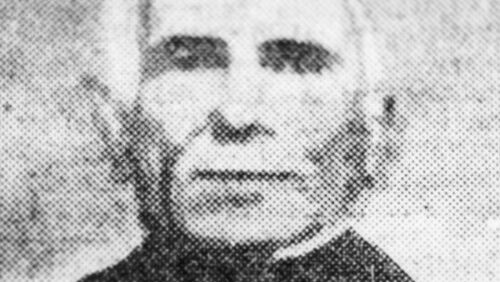
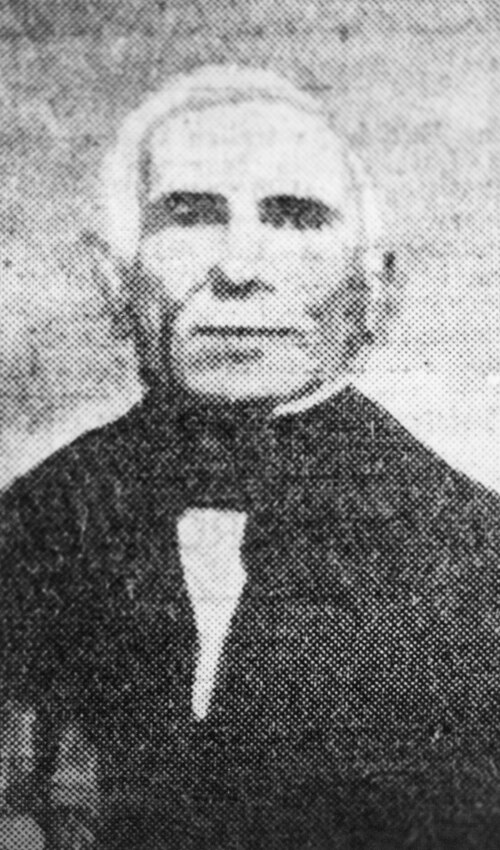
Military officer, first commandant of Moreton Bay
Captain Henry Miller (c.1784–1866), a native of Derry, Ireland, was the first commandant of the Moreton Bay penal settlement, arriving in 1824 to establish the new outpost that would eventually become Brisbane.
He was not the first Irishman to play a part in the story of Brisbane’s founding. The year before Miller arrived, Irish-born former convict John Finnegan had helped explorer John Oxley locate and enter the Brisbane River. Finnegan’s local knowledge was instrumental in Oxley’s assessment of the river as a possible site for a new penal settlement.
Miller, a veteran of the Napoleonic Wars and a member of the 40th Regiment of Foot, then became the military officer charged with turning that recommendation into reality.
Miller was born in Derry, Ireland, in 1785 and entered the British Army at a remarkably young age, joining the 40th Regiment of Foot. His military career took him through some of the defining campaigns of the Napoleonic era. He served in the Peninsular War under the Duke of Wellington, fought in the War of 1812 and was present at the Battle of Waterloo in 1815. He later remained immensely proud of his service at Waterloo and was known to commemorate its anniversary and wear his Waterloo Medal.
In 1823, Miller travelled to New South Wales with a detachment of the 40th Regiment. The colonial authorities were then looking for a remote location for a new penal settlement, intended to house repeat offenders and convicts regarded as particularly troublesome. Moreton Bay was selected, and Miller was appointed to command the new establishment.
In September 1824, Lieutenant Miller sailed north from Sydney aboard the Amity with explorer John Oxley, soldiers, government officials and approximately 30 convicts. The party landed at Redcliffe, establishing the first European settlement in the territory that would later become Queensland. Miller’s responsibilities were extensive: he oversaw the construction of accommodation and government buildings, the issuing of rations, cultivation, convict labour and discipline, as well as maintaining records and reports for the colonial authorities in Sydney.
The Redcliffe site, however, proved unsuitable. Fresh water was unreliable, the soil was poor for cultivation and the anchorage was exposed. Within months, attention turned to the Brisbane River as a more promising location. In May 1825, Miller and pilot John Gray selected a site on the river at Meeanjin, the place now occupied by central Brisbane. The settlement was subsequently transferred there, making Miller one of the key figures in the physical beginnings of Brisbane Town.
Miller had arrived with his family, and his wife Jane gave birth during their time at Moreton Bay to Charles Moreton Miller, who is generally regarded as the first European child born at Moreton Bay and therefore the first Queensland-born European child.
Miller’s period as Commandant was relatively brief. He was replaced by Captain Peter Bishop during 1825, although he remained connected with the settlement’s administration before leaving the district. He was transferred to Van Diemen’s Land in 1826, later served in India with his regiment and eventually returned to Hobart, where he died on 10 January 1866.
Although later commandants—particularly the notorious Captain Patrick Logan—became more closely associated with the harsh history of Moreton Bay’s convict system, Henry Miller was there at the beginning. An Irish-born veteran of Waterloo, he led the party that established the colony’s first European settlement at Redcliffe and played a central role in its move to the Brisbane River. His name therefore deserves recognition among the Irish figures who helped shape the earliest chapter of Queensland’s colonial history.

