
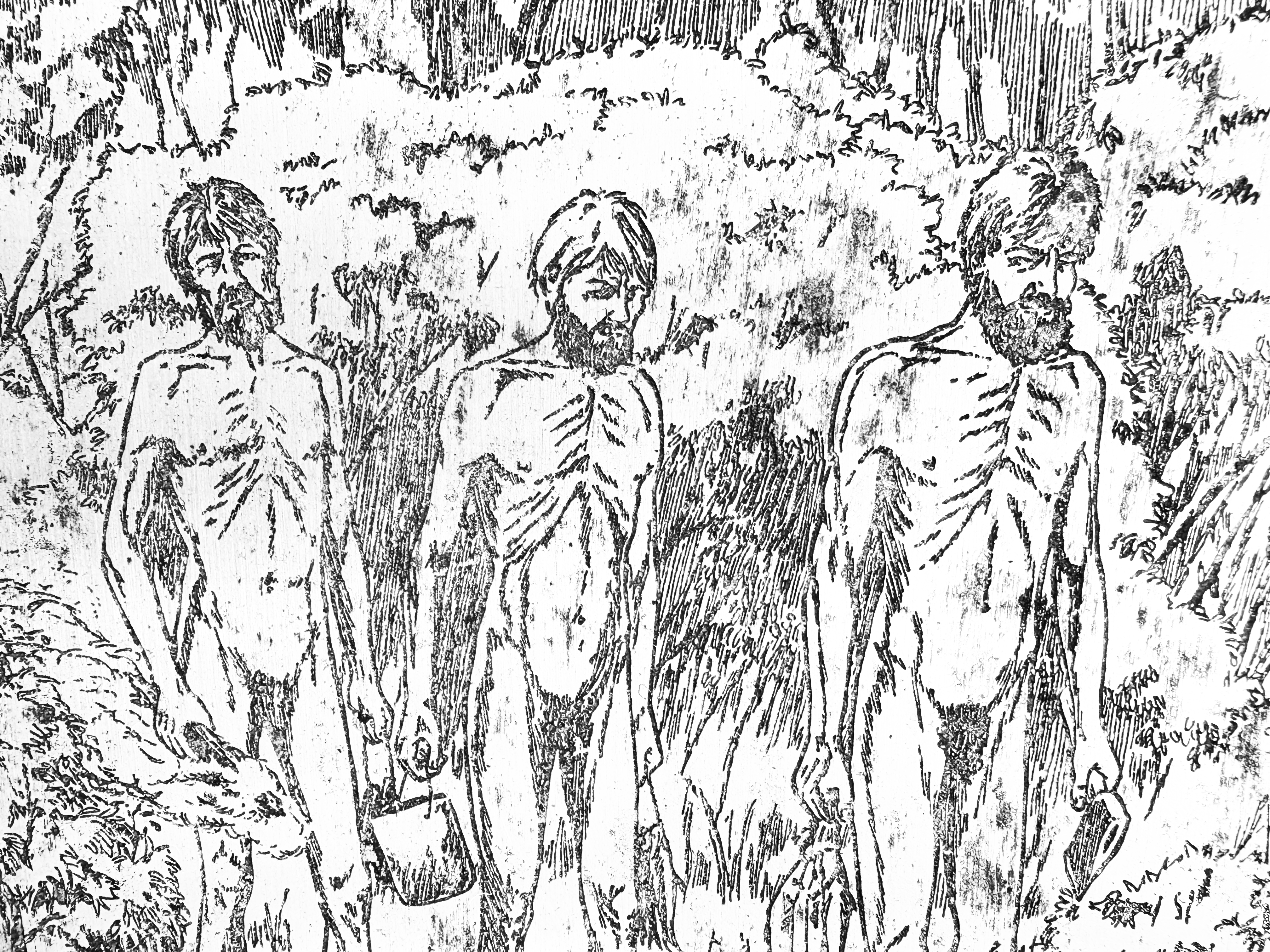
Oxley arrived, they guided him up the Brisbane River. Their knowledge directly influenced the decision to establish a settlement at Brisbane. Together, they are remembered as pioneers of Queensland’s European history. Picture: Mary Allen
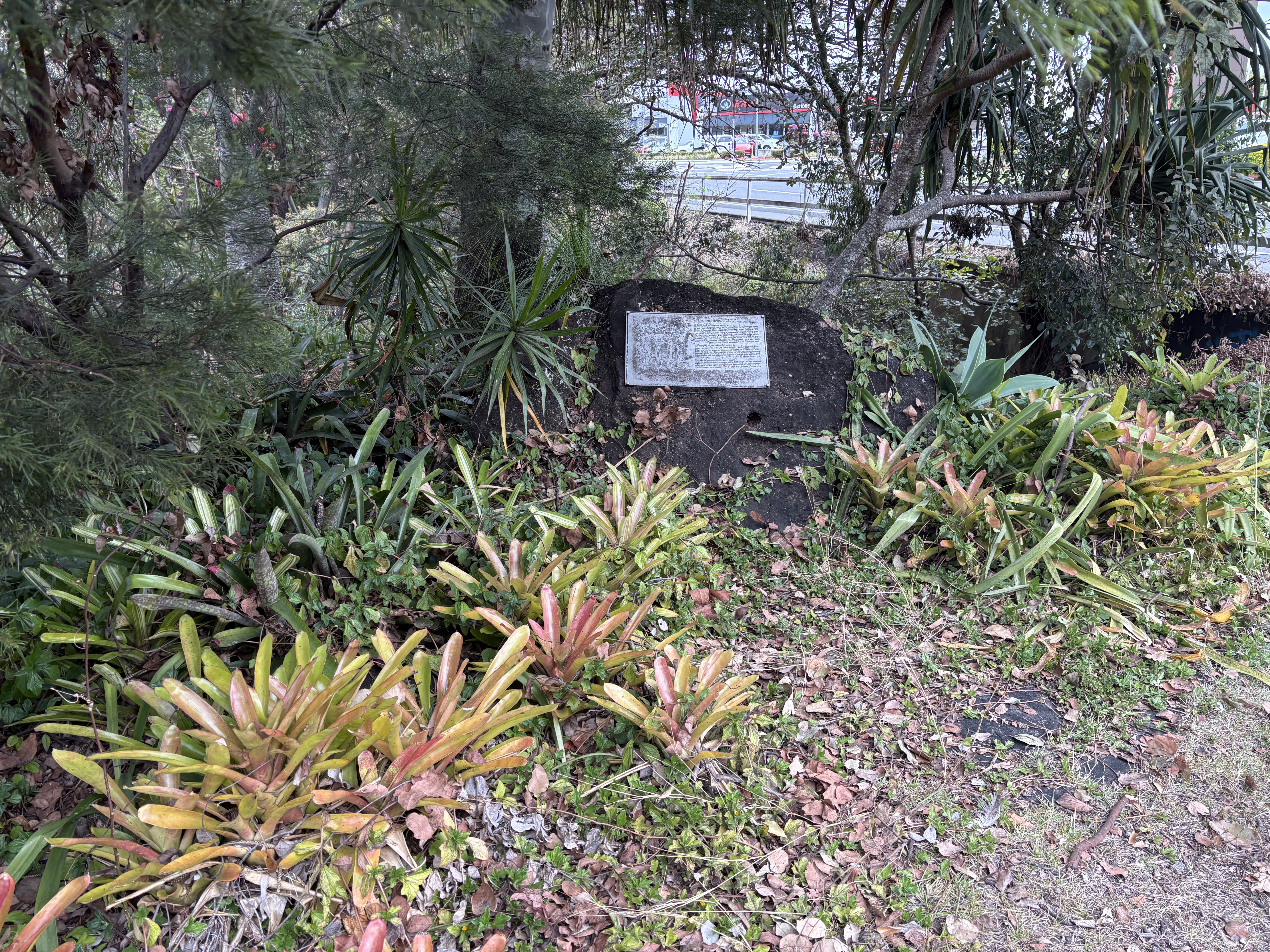
The story of John Finnegan is etched quietly into the landscape of Brisbane’s bayside, far from the grand statues and familiar names that usually dominate Queensland history. At Wynnum, a modest plaque marks the place where one of the most extraordinary survival stories in Australia began—yet for many, Finnegan remains largely unknown.
Now, a renewed effort is underway to bring his story back into the light.
In 1823, Finnegan was one of four convicts who set out from Sydney on a routine timber-getting trip. Within days, a violent storm swept their small open boat far out to sea. For three desperate weeks, the men drifted without fresh water. One of them, John Thompson, died before they ever sighted land.
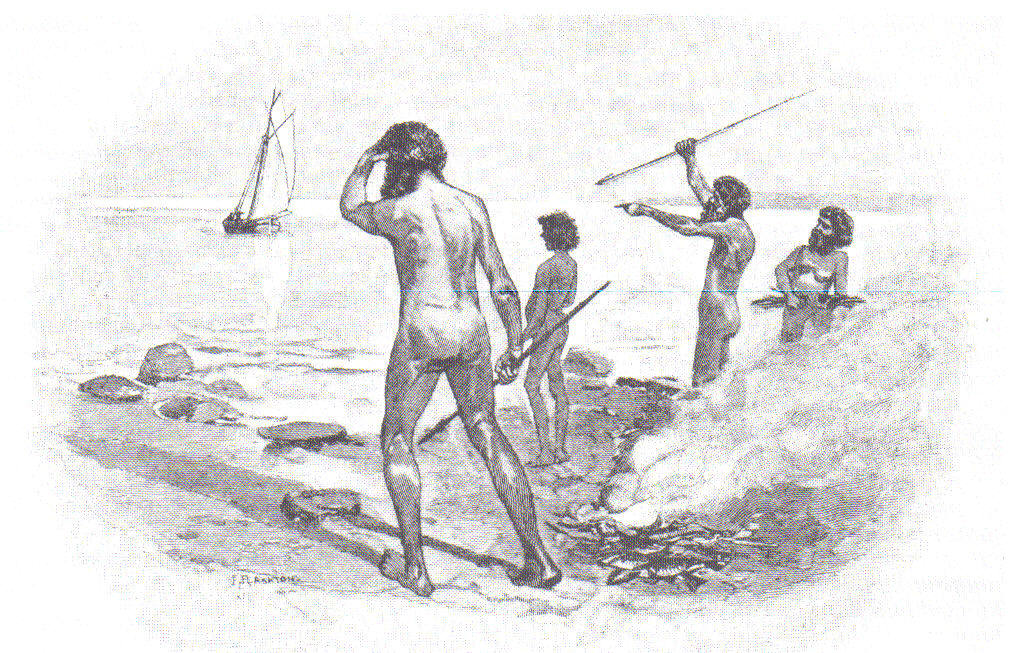
The remaining three—Finnegan, Thomas Pamphlett and Richard Parsons—eventually washed ashore on Moreton Island, hundreds of kilometres north of where they believed they were.
What followed was not a simple tale of rescue, but months of endurance, confusion and cultural encounter. Weak, starving and disoriented, the men were taken in by local Aboriginal groups, including the Quandamooka people, who provided them with food, shelter and guidance. Without that help, it is likely that none of them would have survived.
Still convinced they were somewhere south of Sydney, the castaways made a fateful decision: they would walk north to find home.
Instead, they stumbled into history.
Moving along the coastline and crossing waterways where they could, the group eventually came upon a vast river—one that no European explorer had previously recorded. They followed it upstream for weeks, struggling with hunger and exhaustion.
This river was long known to local Indigenous communities, but to the colonial world, it would soon be named the Brisbane River.
Picture depicts ‘The Finding of Pamphlet’. It shows Finnegan and his fellow convicts being rescued by John Oxley.
Finnegan’s role in that moment was crucial. He was not simply a passive survivor. He observed, travelled, and remembered. Months later, when Surveyor-General John Oxley sailed into Moreton Bay searching for a new penal settlement site, it was Finnegan—alongside Pamphlett—who told him of the river and helped guide him to it.
That meeting, on the shores of Bribie Island in late 1823, would change the course of Queensland history.
Oxley went on to explore and chart the river, reporting back to colonial authorities that the area was ideal for settlement. Within a year, the Moreton Bay penal colony was established, laying the foundations for what would become Brisbane.
Yet while Oxley’s name became firmly embedded in maps and monuments, Finnegan’s contribution faded into the background.
Modern historians increasingly acknowledge that without the castaways—particularly Finnegan—the river may not have been located when it was. Coastal explorers like Matthew Flinders had passed through the region decades earlier but failed to find it.
Finnegan, by contrast, discovered it the hard way—on foot, starving, and entirely by accident.
After his rescue, Finnegan did not disappear into obscurity. He remained in the Moreton Bay region and became a trusted guide and pilot, using his firsthand knowledge of the waterways and terrain to assist further exploration and navigation. His experiences, recorded in early accounts and later publications, provide rare insight into both convict life and early interactions between Europeans and Indigenous communities in southeast Queensland.
There are even accounts, drawn from narratives of the time, that describe Finnegan witnessing inter-tribal gatherings and conflicts, offering some of the earliest European observations of life in the region.
Today, his legacy survives in fragments—place names, historical records, and that plaque at Wynnum, quietly acknowledging the castaways who helped shape the future of Brisbane.
It is this legacy that will be explored in an upcoming talk jointly hosted by the Queensland Irish Association and the Royal Historical Society of Queensland. The event focuses squarely on Finnegan himself—his Irish roots, his extraordinary journey, and his overlooked role in one of Queensland’s defining moments.
Drawing on historical records, early narratives, and published works based on the castaways’ own words, the talk aims to separate myth from fact and place Finnegan back where many believe he belongs: at the centre of the story.
Because long before Brisbane was a city, before survey lines and settlements, it was a place found not by design—but by survival.
And at the heart of that story was an Irishman who refused to give up.
by Mary Allen.
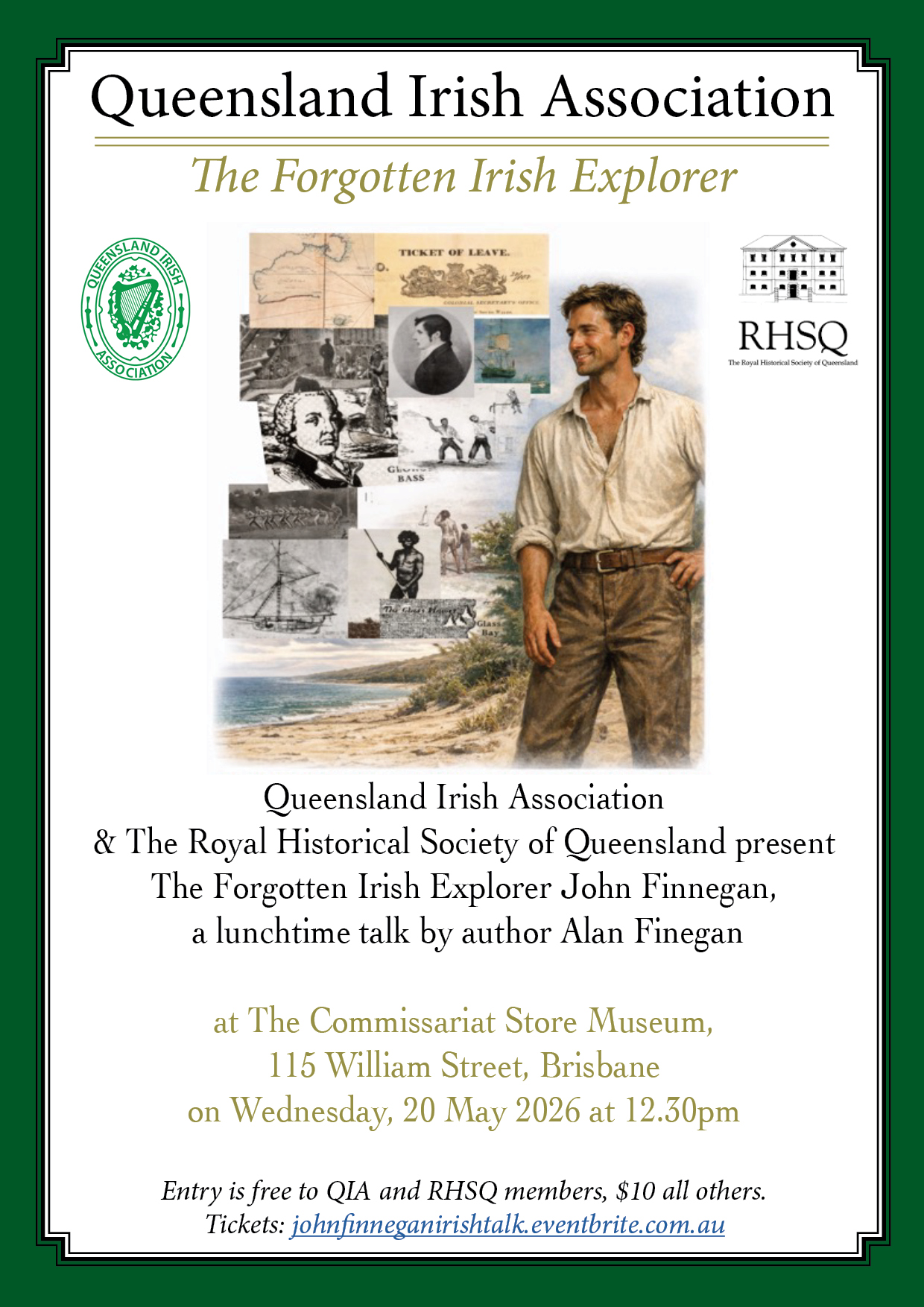
Step back into Brisbane’s earliest days at a special lunchtime talk on the forgotten Irish explorer John Finnegan, co-hosted by the Queensland Irish Association and the Royal Historical Society of Queensland. The talk will be given by author Al Finegan from Bribie Island, author of John Finnegan – The Forgotten Explorer. Held on Wednesday 20 May 2026 from 12:30pm to 1:30pm at the historic Commissariat Store Museum, this fascinating session uncovers the remarkable story of the convict castaway who helped reveal the Brisbane River to the colonial world. Free for members and just $10 for guests, it’s a rare chance to hear Finnegan’s story brought back to life in the very heart of Brisbane’s convict past. Tickets at Eventbrite.

