
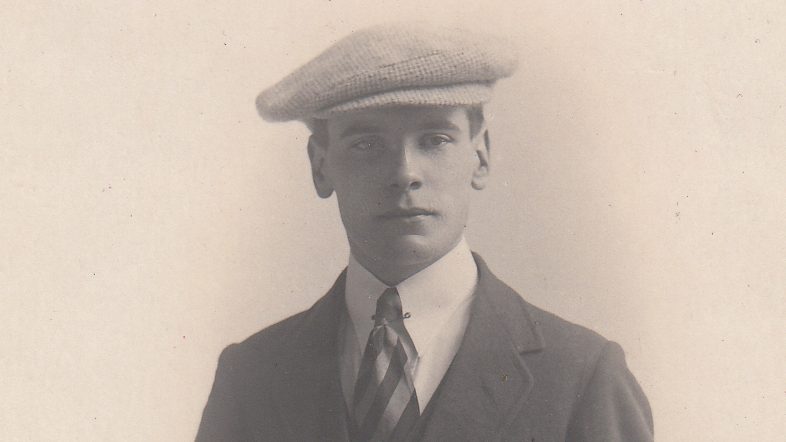
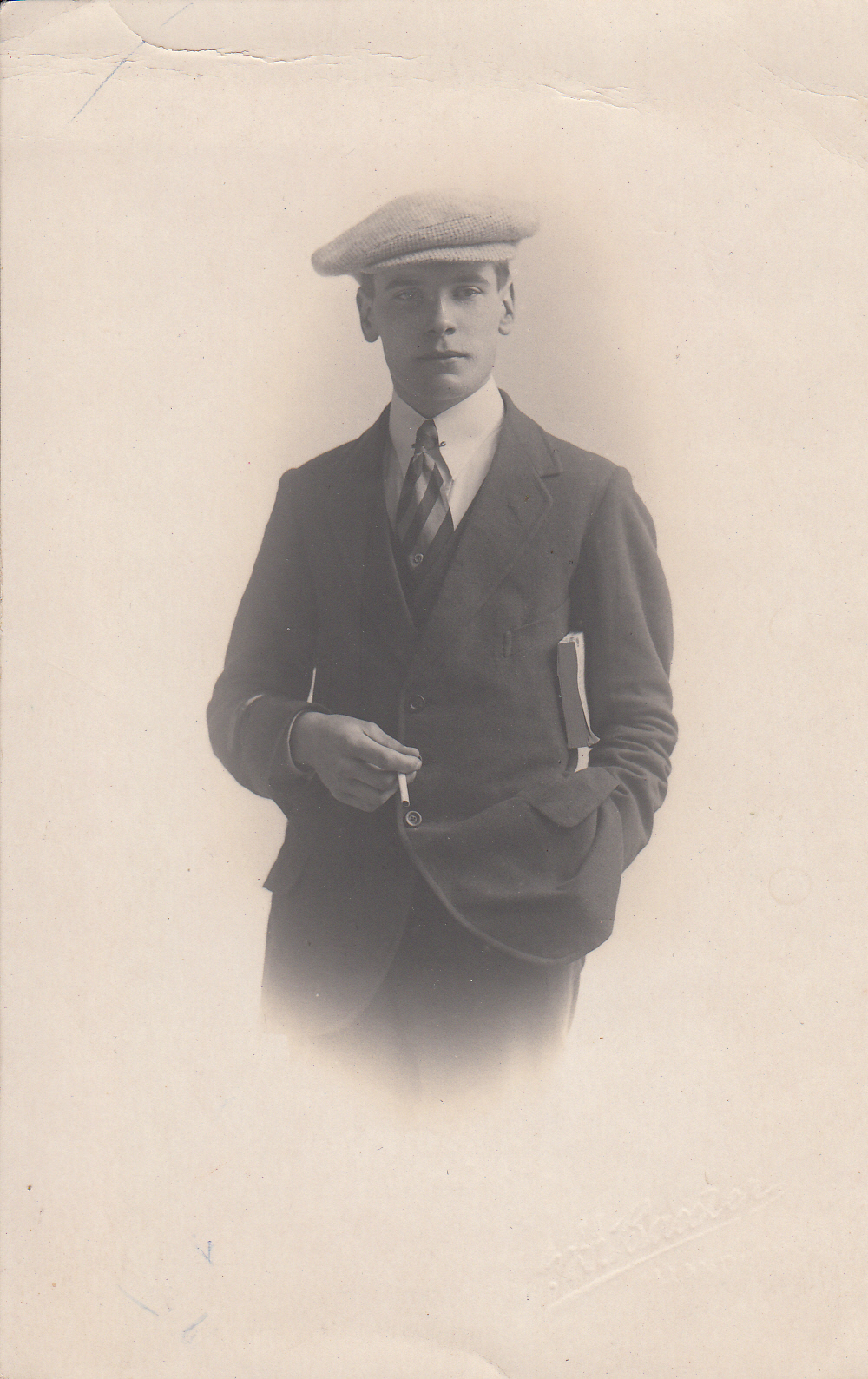
On High Street in Kilkenny in the early 1900s, Mary Brennan kept a busy house and shop after the death of her husband, a butcher. To support her family she ran a newsagent’s and boarding house, raising seven children in all. The daughters helped around the house and shop, while the boys gradually scattered into the wider world. None of them could have imagined how the First World War would test that family.
Two of her sons emigrated to Brisbane before the war. The eldest, Thomas Vincent Brennan, born in Kilkenny in 1879, was a thoughtful and literary man with a love of poetry. In Brisbane he joined the Queensland Police and worked in the Criminal Investigation Branch compiling the Police Gazette. Like many Irish migrants he remained deeply connected to the city’s Irish community, becoming an active member of Queensland Irish Association. His younger brother Joseph Brennan also settled in Brisbane and moved in the same Irish circles.
When the war began in 1914, the two brothers enlisted in the Australian Imperial Force in December that year. Joseph joined the 9th Battalion, one of the infantry units sent to the Gallipoli Campaign, while Tom served with the 2nd Light Horse Brigade Field Ambulance, caring for wounded soldiers in the Middle East. Back in Kilkenny, Mary Brennan now had two sons at war.
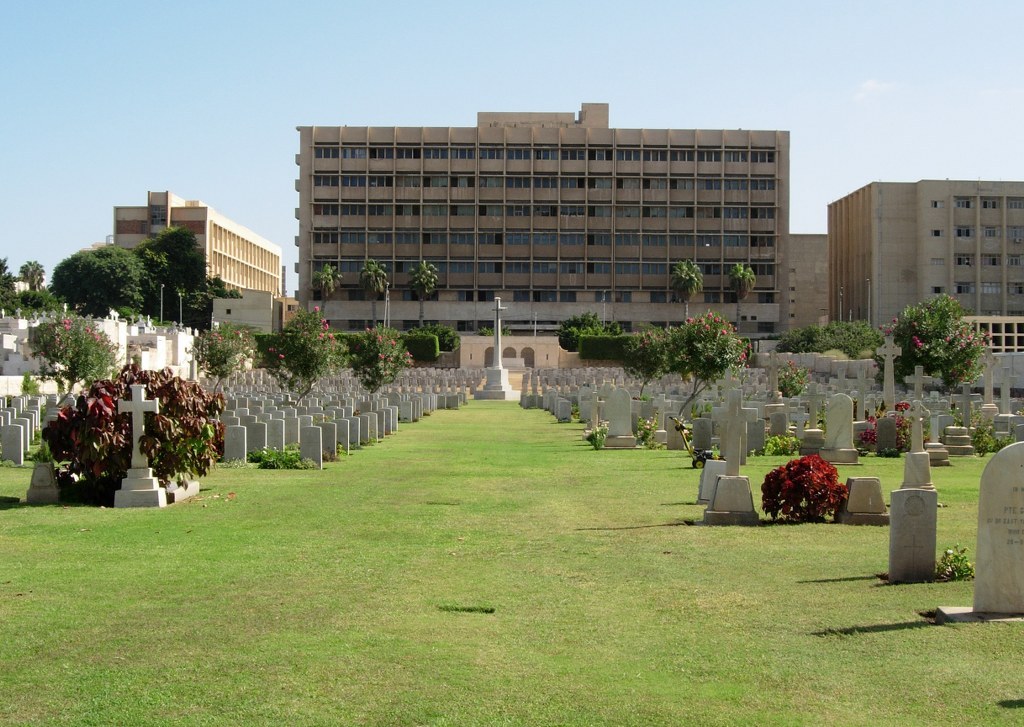
Then the first terrible news came. Joseph was wounded during the campaign and died of his injuries on 4 July 1915 in Alexandria, Egypt, at only twenty years old. Back in Ireland, Mary Brennan received the telegram every mother dreaded.
But fate had not finished with the Brennan family. Her youngest son Anthony — known as Tony — had secretly enlisted in Ireland with the Royal Irish Regiment. At just 17 years and 2 months old, he was still under age when he joined and had lied about his age to get into the army. When Mary discovered what he had done she fought desperately to stop it. She sent his birth certificate to the authorities to prove he was too young and appealed through political channels to have him withdrawn. The case was even raised in the British Parliament, exposing how the recruiting officer had falsified the boy’s age.
But Anthony had already left Richmond Barracks in Dublin with a draft of soldiers bound for the front. By the time officials acted, it was too late. The youngest Brennan son was already on his way to the trenches in France. Tony was about to face the horrors of the Western Front.
Serving with the Australian forces in the Middle East, Tom carried the grief of Joseph’s death deeply. A poet by nature, he poured that sorrow into verse, writing a lament titled Our Nameless Dead, mourning not only his brother but the countless soldiers whose lives were lost in the early years of the war.
In The Age newspaper on 27 November 1915, there was an article, headlined: “A Brisbane soldier-poet. The Nameless Dead by Mr Tom Brennan”. It said: ‘Many Queenslanders will remember Mr. Tom Brennan, a young Irishman who was for some time attached to the C.I Branch (Counter Intelligence), Brisbane, and who enlisted soon after the war. Mr. Brennan, who was a member of the Queensland Irish Association, is the writer of the following fine verses, which are reproduced from the London “Daily Chronicle.” He was in the Army Medical Corps attached to the Australian Light Horse in the Dardanelles. His brother Mr. Joseph Brennan, recently died in Alexandria from wounds received while taking part with the Australian forces, in the fighting in the Peninsula. A third brother, Mr Anthony Brennan, is in the trenches in France, having joined the Royal Irish Regiment some months ago. The three brothers are sons of Mrs. Brennan, stationer newsagent, Kilkenny, Ireland.’
(To those of our comrades who perished in the Dardanelles, and who, through the pilferage of identification discs by enemy snipers, were unrecognisable, buried “nameless” on the hillside just behind the trench line where these lines were written).
OUR NAMELESS DEAD
Comrade of knapsack or bandolier!
Tread light, we pray, when you pass this way,
For sake of the brave ones slumbering here,
Nameless in death to the Judgement Day.
Tread light lest the tramp of your martial host
Or the rattle of rifle or bayonet-blade,
Should ring down the night to their silent post,
And rouse them too soon for the Grand Parade.
Close-buried they lie, yet they perished lone,
And Death scattered them wide on the warworn track
And we found them far out, in their Fate, unknown,
And rev’rent and sadly we brought them back,
And we laid them to rest on this lonely slope,
With the sward they had won for their funereal-pall,
‘Neath the star-hung beacons of Faith and Hope,
While the night-wind whispered its sentry-call.
And we fashioned a slab for each sacred tomb,
And in rough-hewn letters their Tale engraved,
While in grim salute came the far-in boom
Of the guns whose pathway their lives had paved,
And we hollowed a space in the solemn stone
For the names they’d gloried, which none could tell,
Save God, to whose Silence their souls had flown,
And the cold earth which guarded His secret well.
And we banished a tear as the final end
Of the last sad sepulchre sank home,
For the anguished cries to a silent God
Of the dear ones left in the years to come—
Of the Mothers waiting in hopes so vain
In the homes made lonely far o’er the sea,
Where they’d list for the “step at the door again,”
And the fond embrace that could never be.
And we wondered the while—when on History’s page,
With Heroes’ life-blood, their country’s fame,
Was lettered in fire, for each future age
To kindle ever in quenchless flame
What honoured place in that glorious tale
With their Nation’s patriot Dead would share
The comrades brave which Death’s solemn veil
Left nameless asleep in the silence there.
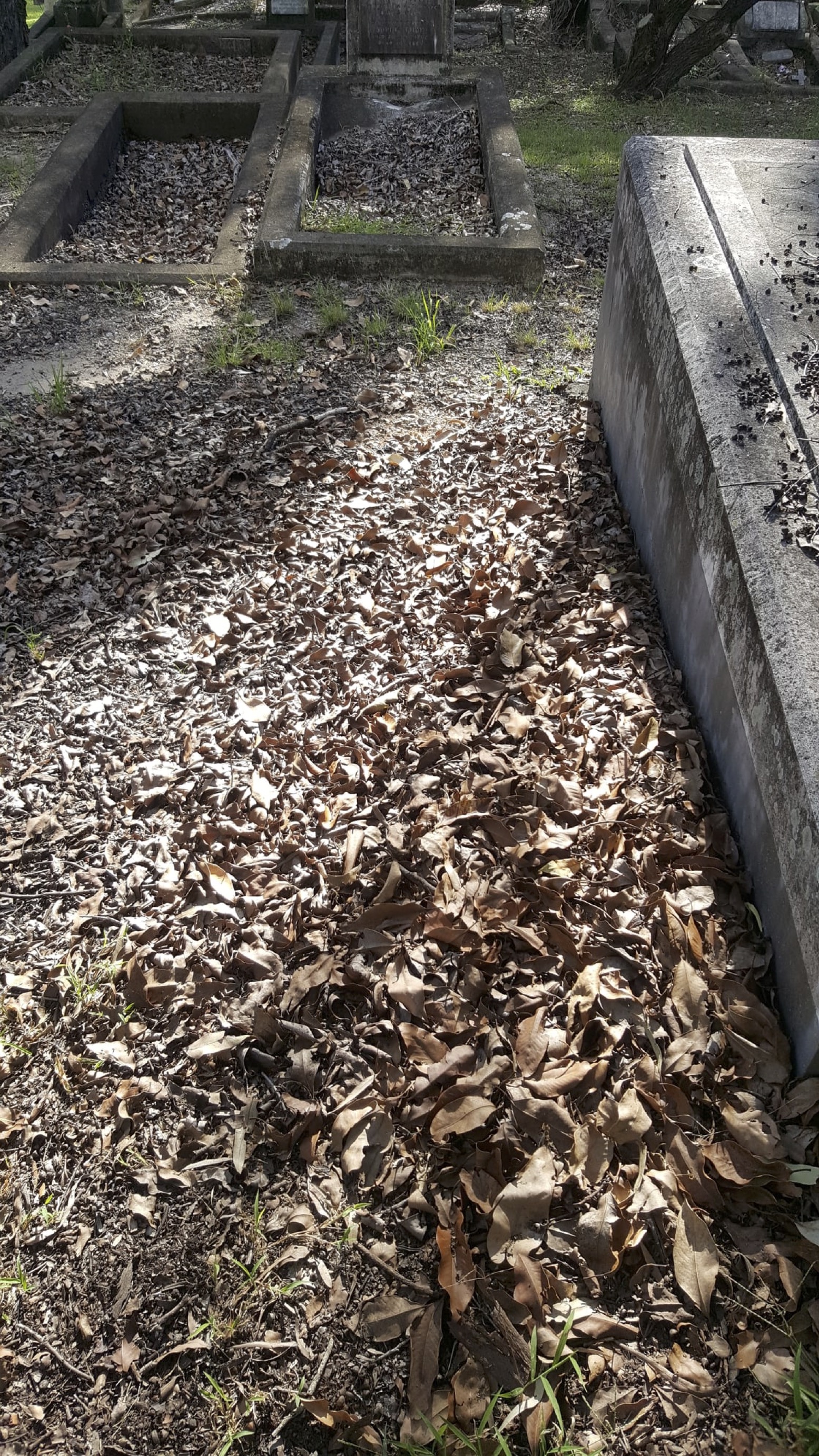
Tom survived the conflict and returned to Brisbane in late 1919. During his service he had risen to Regimental Quartermaster Sergeant, been Mentioned in Despatches, and been awarded the Military Medal. Yet the war had taken its toll on his mental health. Only months after returning home he died in Brisbane on 7 September 1920, aged 40, and is buried, poignantly, in an unmarked grave in South Brisbane Cemetery – Our Nameless Dead. The Friends of South Brisbane Cemetery plan to apply to the Commonwealth War Graves Commission to have the grave marked.
Queensland Irish Association published a notice of his funeral in The Brisbane Courier on 8 September 1920, inviting Members to attend. It said: ‘The Members of the QUEENSLAND IRISH ASSOCIATION are respectfully invited to attend the Funeral of the late Thomas Vincent Brennan, M.M., late Quartermaster Sergeant, 5th Light Horse, to move from the Funeral Parlour of Foley, Cremin Ltd, Stanley Street, South Brisbane, THIS (Wednesday) AFTERNOON, at 4 o‘clock, to the South Brisbane Cemetery.’
For Mary Brennan the war had taken two of her sons — Joseph buried in Egypt and Thomas laid to rest half a world away in Australia.
Anthony survived the trenches and eventually returned to Ireland, but the country he came home to was torn by violence. The actions of the Black and Tans during the Irish War of Independence left him deeply embittered. He soon left Ireland altogether and moved to London.
The story of the Brennan brothers reads almost like something from a war film: three sons from a single house drawn into the same conflict on different fronts, and a mother desperately trying to save her youngest boy. For Mary Brennan, the war was not fought in distant deserts or muddy trenches — it came to her door in the form of telegrams, long silences, and the knowledge that two of her sons would never come home.
• Local author Tim Lycett is writing a book about Tom Brennan and is looking for more information about his involvement with Queensland Irish Association and life in Brisbane. If you have information, email mary@queenslandirish.com.au.

