
Politician, lawyer, Irish-born Queensland parliamentarian
Edward Henry Macartney (1863 – 1957) was an Irish-born barrister and politician who spent almost thirty years in the Queensland Parliament, earning a reputation as one of the state’s most formidable parliamentary debaters and a leading opponent of Labor during the turbulent early 20th century.
Born at Holywood, County Down, Ireland, in 1863, Macartney came from a well-educated Protestant middle-class family and studied law at Trinity College Dublin before emigrating to Queensland in the 1880s. Like many ambitious young professionals of the era, he arrived in a colony where rapid growth meant opportunities for capable lawyers willing to build reputations quickly.
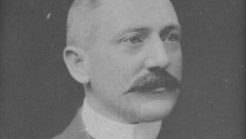
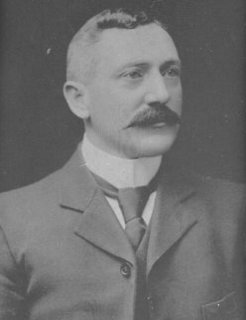
He established himself as a successful Brisbane barrister and became known for his intelligence, precise speaking style and courtroom confidence. Tall, polished and sharply dressed, Macartney cultivated the image of the classic Edwardian legal gentleman, but behind the formal appearance was a fierce political combatant who relished parliamentary battle.
In 1900 he entered the Queensland Legislative Assembly, beginning a parliamentary career that would last almost three decades. He represented a succession of Brisbane electorates including Toowong and Windsor, becoming one of the dominant conservative figures of his generation.
Macartney rose to prominence during one of the most politically volatile periods in Queensland history. The rapid rise of the Labor movement transformed state politics, and Macartney became one of Labor’s most relentless critics. As leader of the Opposition during the governments of T. J. Ryan and Edward Granville Theodore, he attacked Labor’s industrial policies, state enterprises and expanding government control with a mixture of legal precision and biting sarcasm.
Even political opponents acknowledged his debating ability. Parliamentary reports regularly described him as one of the Assembly’s strongest speakers — quick-witted, disciplined and highly skilled at dismantling arguments in debate. He was especially feared during late-night parliamentary sessions, where his stamina and command of detail could wear down opponents.
But Macartney was not simply an anti-Labor firebrand. He also played a significant role in shaping Queensland conservatism into a more organised parliamentary force during the years before formal modern party structures fully developed. In many ways he helped define what conservative opposition looked like in Queensland politics during the early 1900s.
Outside parliament, he maintained a strong legal career and was appointed King’s Counsel. He was also deeply involved in Brisbane’s establishment networks — legal, business and civic — becoming part of the city’s influential professional class.
One small but revealing detail about Macartney was his reputation for discipline and personal restraint. Unlike some Queensland politicians of the era known for colourful scandals or rough frontier personalities, he projected an image of controlled professionalism and intellectual seriousness. He looked and sounded every bit the imperial barrister from Dublin, even after decades in subtropical Brisbane politics.
Macartney retired from parliament in 1929 after nearly thirty years in public life. By then Queensland politics had changed dramatically from the colony he entered as a young immigrant lawyer. He died in Brisbane in 1957 aged 94, having outlived most of the political generation he fought against.
His ashes were placed at the Mount Thompson Memorial Gardens at Holland Park in Brisbane’s south.

