

The grave of George Edward Buckmaster in South Brisbane Cemetery holds the remains of a man whose life spanned continents, armies and some of the great military movements of the nineteenth century.
Born in Ireland around 1826, Buckmaster came from what was described at the time as a “very distinguished Irish military family”. Like many Irishmen of his generation, military service became part of his identity, and he began his career in the British forces before seeking new opportunities overseas.
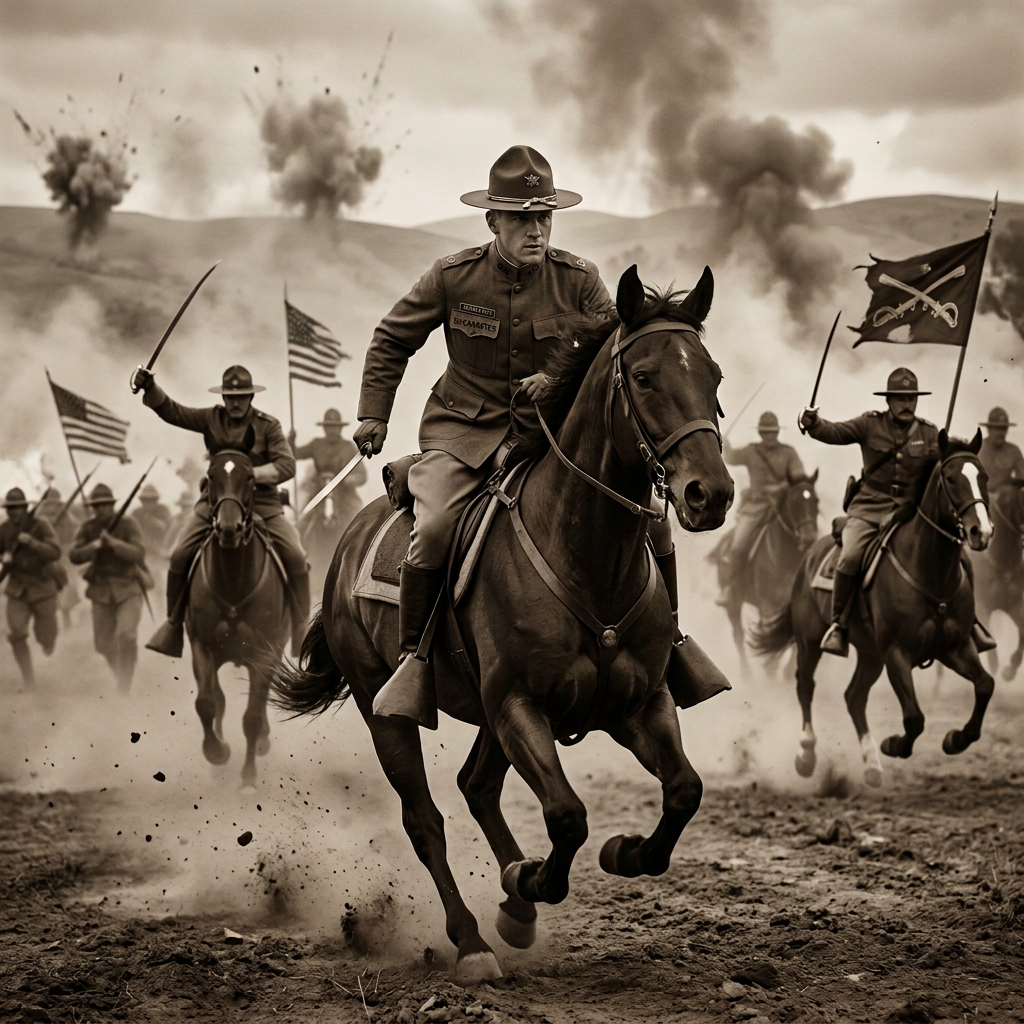
Adventure and opportunity drew him to the United States, where his skill with horses opened the door to a new career. A gifted horseman, Buckmaster soon earned a commission in the United States Cavalry, joining an army that was expanding across the American frontier.
During his service, he took part in campaigns in Mexico and in conflicts involving Native American groups, gaining the experience and reputation of a seasoned cavalry officer. His horsemanship and military knowledge remained defining features throughout his life.
After his American military service, Buckmaster made his way to Australia, where he began another chapter in his remarkable career.
Settling first in Victoria, he joined the Victoria Police, where his background with horses and the military proved valuable. He served as officer in charge at Wahgunyah, a small town on the Murray River, before later moving north to Queensland.
Eventually making Brisbane his home, Buckmaster turned his attention to journalism and became a contributor to public life through his writing. Yet he never lost his connection with military affairs.
He maintained correspondence with military figures in the United States and continued to take a keen interest in cavalry matters. His knowledge of horses led him to promote Queensland-bred horses to American military authorities, helping strengthen the reputation of Australian horses with the United States Remount Department.
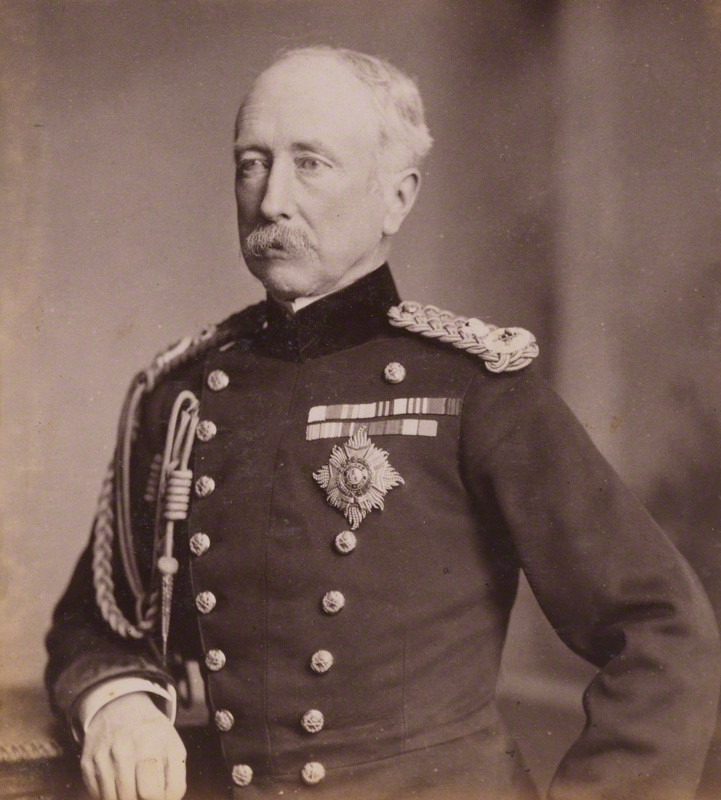
Buckmaster also remained connected with his homeland. During a visit to Ireland later in life, he renewed friendships with former acquaintances, including the renowned British soldier Lord Wolseley, as well as others from his military years in Ireland and America.
Despite reaching the remarkable age of 85, Buckmaster remained active and mentally sharp. It was only in the final weeks of his life that illness began to take its toll. After suffering from bronchitis followed by heart failure, he died in Brisbane in September 1911.
The Queenslander described him as a man whose life had been filled with adventure and achievement, and noted that he was survived by his wife, three sons and one daughter.
His funeral took place at South Brisbane Cemetery, where Rev. Father Gowen conducted the graveside service. His grave was covered with flowers as family and friends farewelled a man whose life had taken him from nineteenth-century Ireland to the American frontier and finally to Queensland.
George Edward Buckmaster’s story reflects the extraordinary journeys undertaken by many Irish migrants of his era. He was a soldier, horseman, police officer, journalist and community figure—a man who carried the traditions of Irish military service across the world and left his mark on three countries.

