
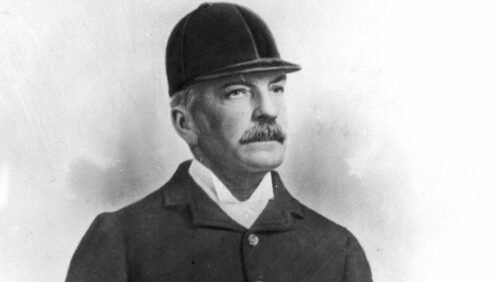
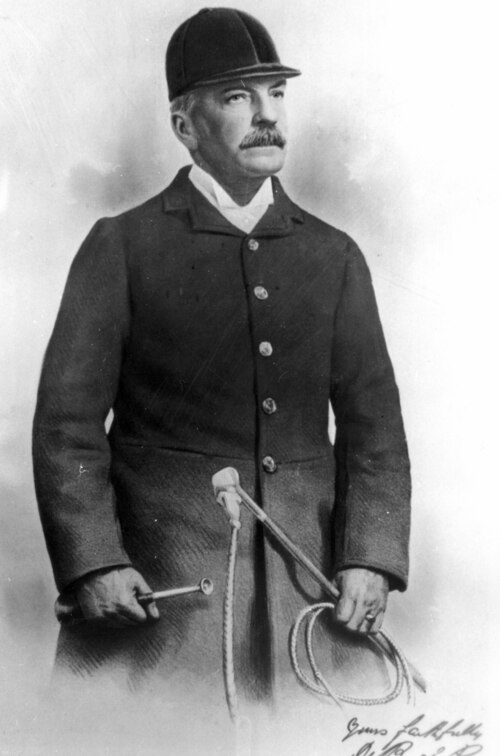
Irish-born pastoralist and politician who helped shape Queensland’s rural economy and political landscape
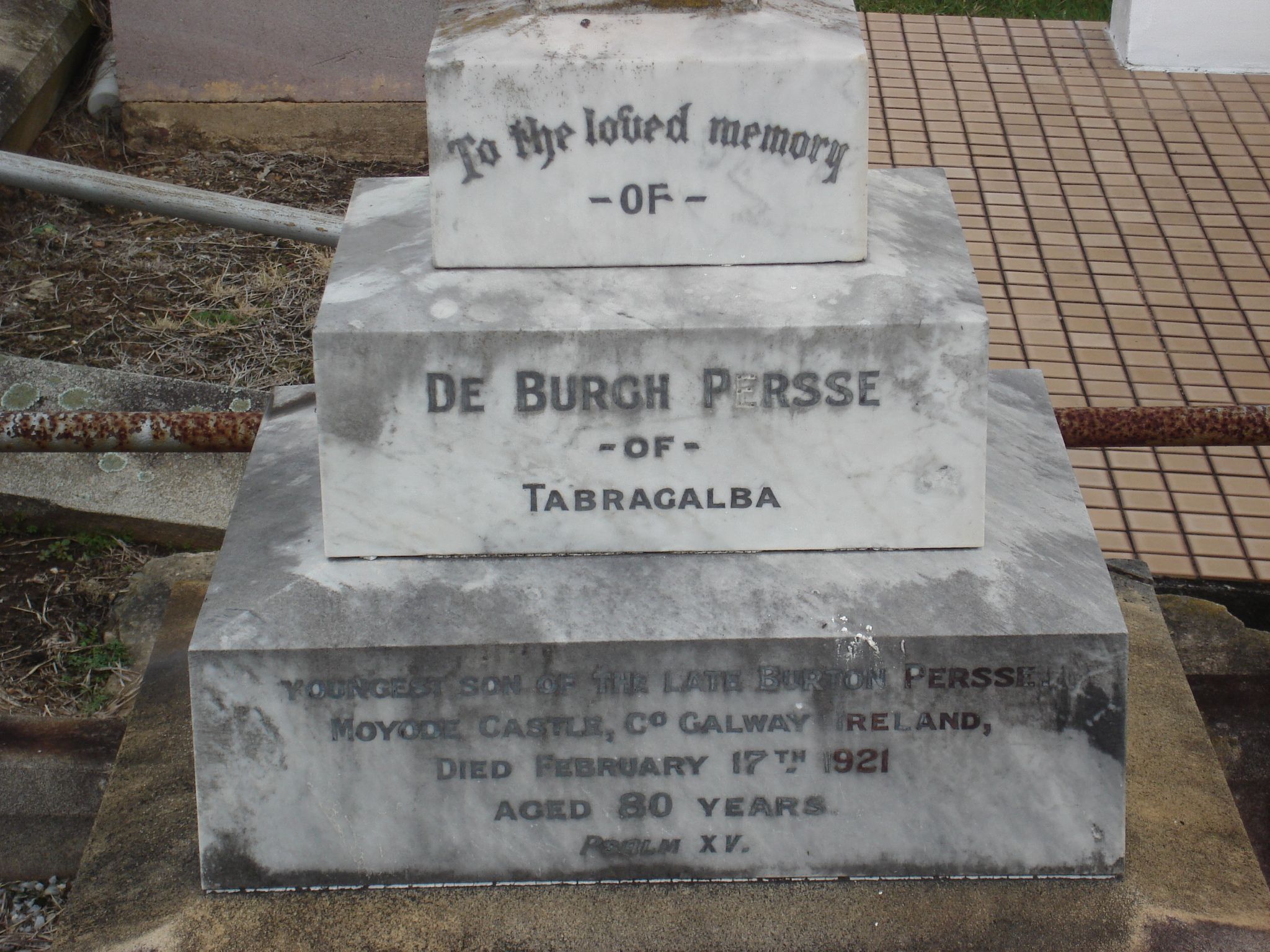
Born on 25 September 1840 at Moyode Castle in County Galway, Ireland, De Burgh Fitzpatrick Persse was the youngest of sixteen children. His father, Burton Persse, was a prominent landowner and politician. Educated at Cuba House in Banagher and later at Trinity College, Dublin, Persse was well-prepared for a life of public service. In 1863, he emigrated to Queensland aboard the Golden City, arriving in Brisbane on 8 March. He quickly immersed himself in the pastoral industry, managing stations such as Tambourine and Maroon before purchasing Tabragalba Station near Beaudesert in 1865. Over the years, he expanded his holdings to include properties like Hawkwood, Yeurilla, Eidsvold, and Boorgal.
At stations linked to the Persse family, horses were bred for both work and racing. The early Darling Downs pastoral elite regularly moved between cattle runs and the emerging world of organised racing, and de Burgh Persse was part of that transition. Horses were tested on station tracks, then entered into regional race meetings at places like Brisbane, Ipswich, and Warwick, where local reputation mattered as much as formal winnings.
The Persse family name also appears in Queensland racing circles through ownership and sponsorship of horses at early race meetings, reflecting how closely intertwined pastoral wealth and horse racing were in colonial Queensland. Racing was not a separate industry yet — it was an extension of station culture, social prestige, and regional competition.
In 1878, Persse entered politics, representing the Fassifern electorate in the Queensland Legislative Assembly. He served until 1883, during which time he was involved in various civic and agricultural organisations. His leadership extended beyond politics; he was president of the Royal Bank of Queensland, the Agricultural and Pastoral Society, the Queensland Club, and the Jockey Club, among others. These roles underscored his influence in both the economic and social spheres of Queensland.
Persse married Mary Blair in 1871, and they had a family that continued his legacy. He passed away on 17 February 1921 in Southport, Queensland, and was buried in Beaudesert Cemetery. His contributions to Queensland’s development, particularly in the pastoral industry and public life, left a lasting impact on the state’s history.
Read more here: https://irishqueenslander.com/2025/10/01/from-riches-to-rags-the-story-of-the-lost-lords-son/
 Irish Queenslander