
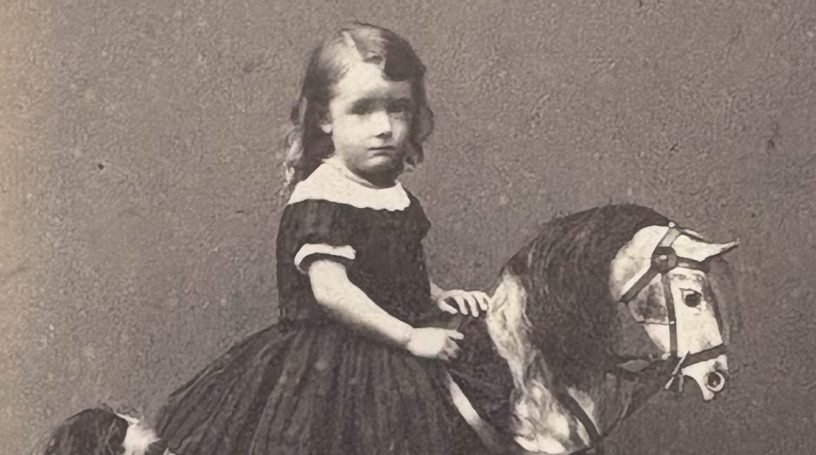
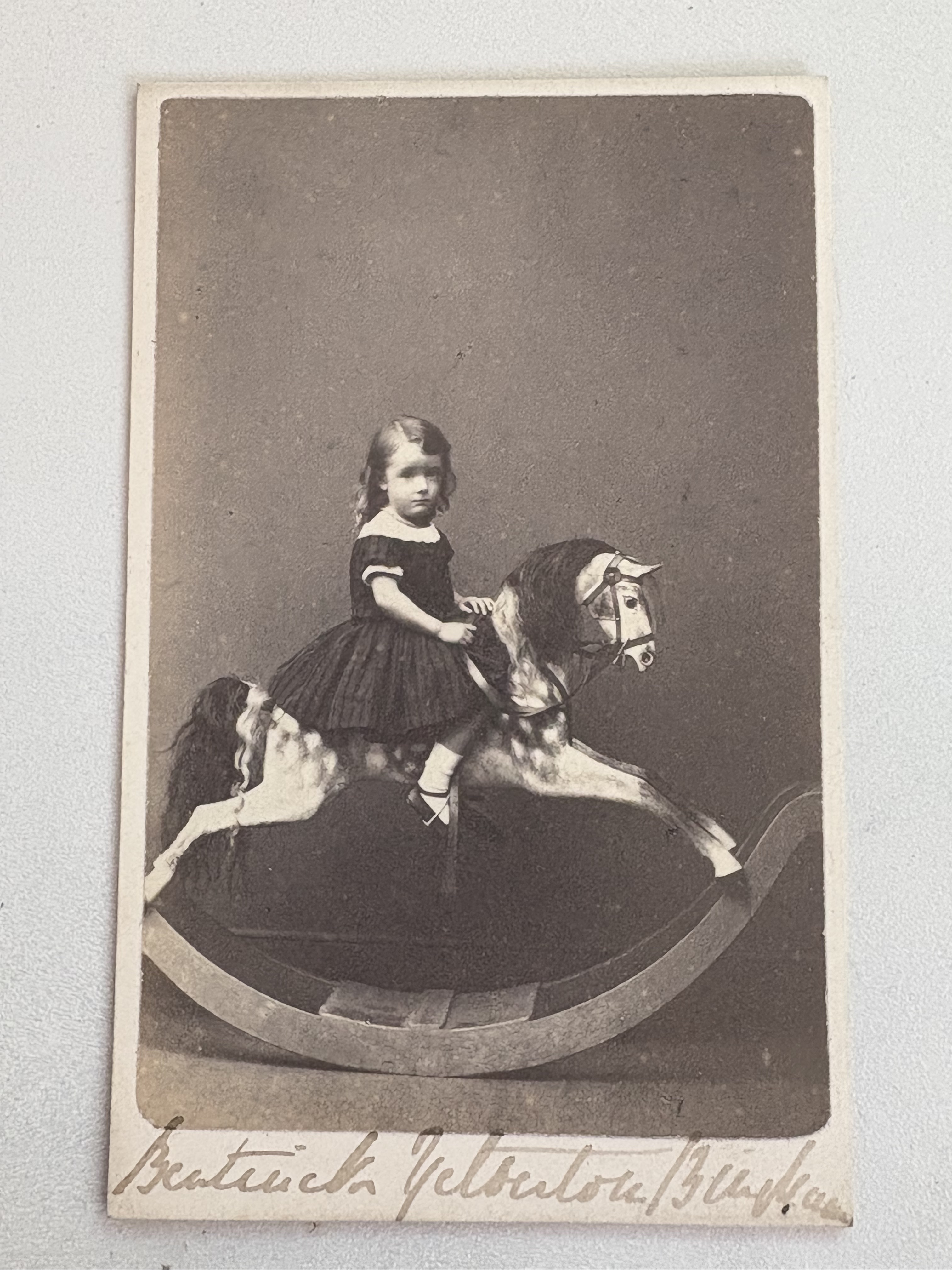
In early 2024, a broken headstone in Toowong Cemetery set off a mystery. The Friends of Toowong Cemetery had stumbled across the grave of a man nobody in Brisbane’s Irish community seemed to have heard of: The Hon. Bentinck Yelverton Bingham, third son of Lord Clanmorris of County Galway. What was the son of an Irish lord doing buried alone in colonial Brisbane in 1892 — a city then little more than a rough-edged outpost of empire? As research unfolded, the story grew darker. Bentinck’s life had begun in privilege, among a family tied to Oscar Wilde, Lady Gregory, Sir Arthur Guinness and the great Anglo-Irish estates of Connacht. But in Queensland, his fortunes collapsed. He died at 36 in Woogaroo Lunatic Asylum, his inquest describing him as a “station hand”. For over a century, his story was forgotten—until now. Here is his story and a rare childhood photograph. At last, Brisbane can put a face to the mysterious Irish aristocrat buried in its soil.
Written by Mary Allen.
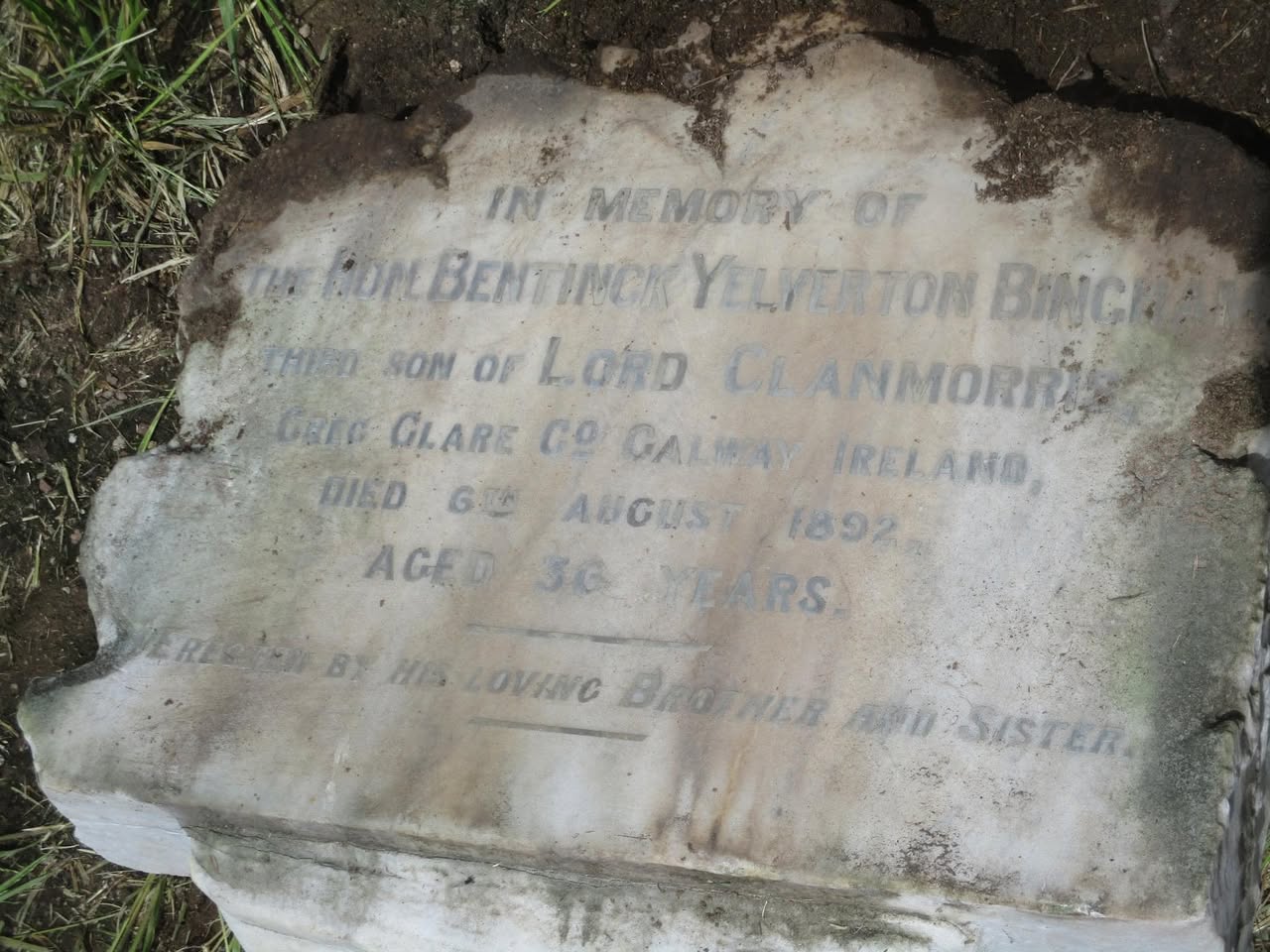
The story began when I visited the Irish section of Toowong Cemetery one day, and picked up a brochure about The Friends Of Toowong Cemetery in the cemetery museum. I thought it might be a nice idea for Queensland Irish Association members to do a tour of the Irish graves, and got in touch with Darcy Maddock of Friends of Toowong Cemetery. As arrangements were being made for the tour, Darcy mentioned that he had found an interesting Irish grave and would like the help of some hardy volunteers to lift its broken headstone back into place. The gravestone said “The Hon. Bentinck Yelverton Bingham, third son of Lord Clanmorris, Creg Clare, Co. Galway, Ireland, died 6th August 1892 aged 36 years. Erected by his loving Brother and Sister.” Darcy and I began searching for more information on Bentinck as well as finding volunteers from the Irish community to help fix the grave. The search uncovered a tragic story, which was shared on the tour, and also published in the QIA Newsletter. I have since continued to search for more information. It was easy to find photographs of his relatives, but never any of Bentinck. Then, by chance, a very rare carte de visite (a format of small photograph popular in the 19th century) from an archive in England came up for sale online. It showed Bentinck as a young child on a rocking horse. In it, he is wearing a dress, which was not unusual for toddler boys at that time. QIA bought the photograph to add to our archive. Now we can finally put a face to the mysterious young aristocratic Irishman buried alone in Brisbane.
Born Privileged
When Hon. Bentinck Yelverton Bingham was born in Galway on 11 January 1855, the world into which he arrived was one of inherited privilege, sprawling estates, and complex family alliances. His surname carried weight. The Binghams of Clanmorris were one of the great Anglo-Irish families of Connacht, landlords whose fortunes rose and fell in parallel with the turbulent story of Ireland itself. Yet Bentinck’s own life would take a very different course from the landed aristocracy he descended from. He died young, far from home, and lay in a modest grave.
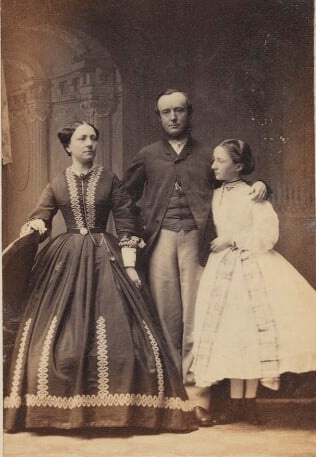
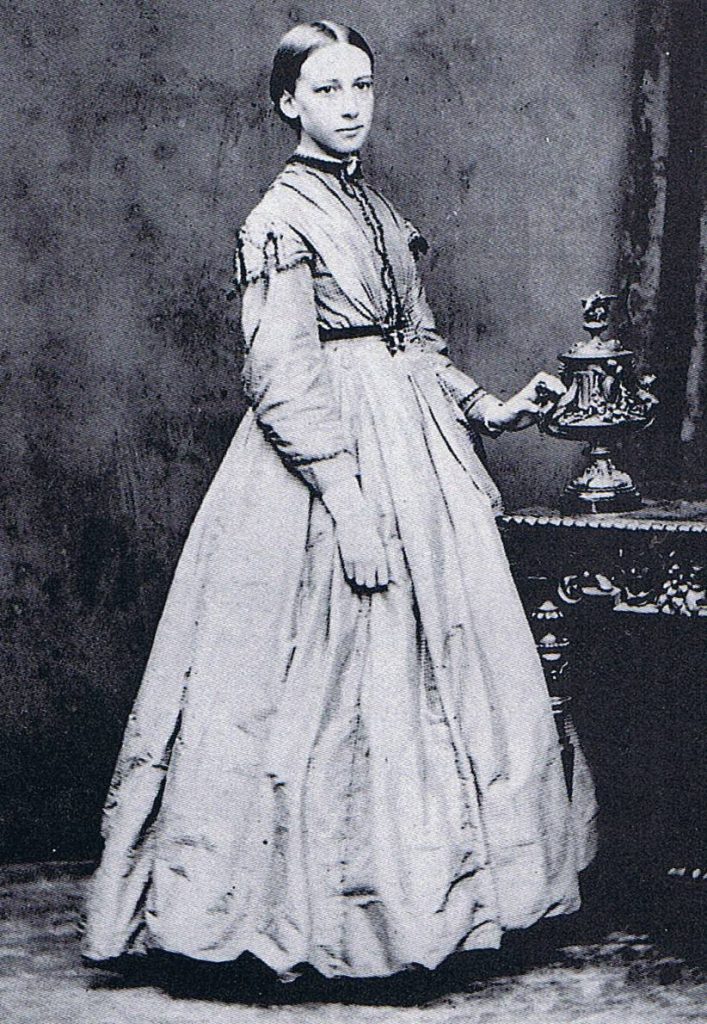
Bentinck’s father, John Charles Robert Bingham, 4th Baron Clanmorris, with his wife Sarah Selina Persse and daughter Hon. Matilda Maria Helena Bingham in 1864. Picture: National Portrait Gallery UK.
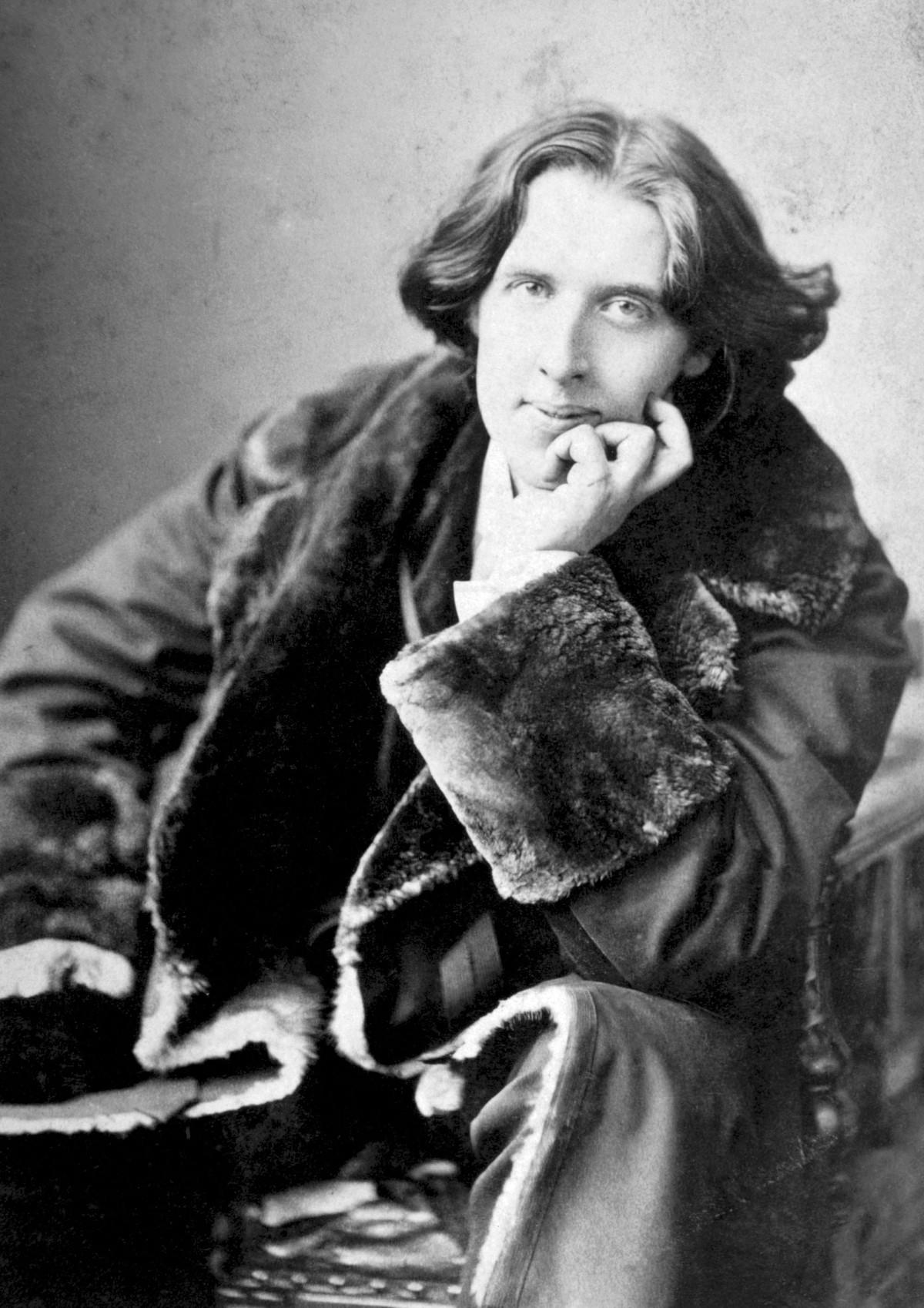
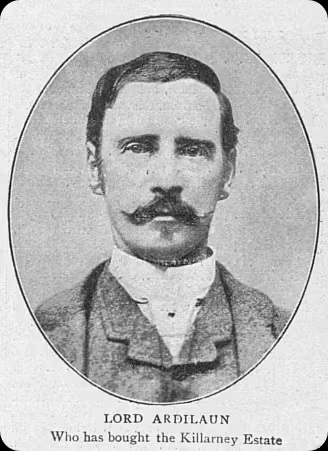
And, below, from left, his friends Oscar Wilde and Lady Gregory, and Sir Arthur Guinness MP (featured in Netflix series House of Guinness), who attended his funeral.
Military Affairs
To understand Bentinck, one must look at the extraordinary cast of contemporaries around him.
The Binghams were a wealthy and influential family who owned large estates in Galway and Mayo. They traced their ancestry to Sir Richard Bingham, an English soldier and administrator who was appointed governor of Connacht by Queen Elizabeth I in 1584. That particular Bingham was notorious for his harsh treatment of the native Irish population, and he was involved in several conflicts and rebellions.
The Binghams continued to play a prominent role in Irish politics and society for centuries, holding titles such as Baron Clanmorris, Viscount Mayo, and Earl of Lucan. They were also involved in military affairs, such as the Napoleonic Wars, the Crimean War, and the Boer War.
Bentinck’s father, John Charles Robert Bingham, 4th Baron Clanmorris (1826–1876), was an Anglo-Irish peer, soldier, and landowner. He served as an officer in the Crimean War and later in the Indian Mutiny, earning a reputation for courage. He was also active in politics, sitting as an Irish Representative Peer in the House of Lords from 1863 until his death.
Bentinck had three sisters and two brothers. His eldest brother, John George Barry Bingham, the 5th Baron, not only presided over the dwindling estates but also raised a remarkable family. Among his children was Rear-Admiral Edward Barry Stewart Bingham, who won the Victoria Cross for his role at the Battle of Jutland in 1916, and another son, Lt Col. John Denis Yelverton Bingham, who served through two world wars and lived until 1978.
The extended circle reached further still. Sir Richard Graves MacDonnell, a relative through marriage, was Governor of South Australia from 1855–1862. And the Persse connection, through Bentinck’s mother Sarah Selina Persse, daughter of Burton de Burgh Persse, High Sheriff of County Galway, tied them to Moyode Castle, later a centre of rebel activity during the Easter Rising. The Lucan branch produced one of the most controversial figures of the 19th century in the “Balaclava” Lucan, the general blamed for the disastrous Charge of the Light Brigade during the Crimean War.
To be a Bingham was to live in the orbit of political, military, and cultural power.
Patron of the Arts
Bentinck’s father’s involvement in the arts is well-documented. His patronage of the arts and friendship with Oscar Wilde places him within a rich network of literary and artistic figures at the height of the Aesthetic and Decadent movements. His patronage extended to the visual arts, literature, and theatre, where he provided financial support and a platform for emerging artists and writers.
Another notable connection is his relationship with Lady Augusta Gregory, a renowned playwright and co-founder of the Abbey Theatre in Dublin. Lady Gregory married Sir William Henry Gregory, the 4th Baron Clanmorris’s first cousin, linking the Bingham family to the development of Irish theatre. The family homestead, Cregaclare House, was just three miles from Lady Gregory’s home, Coole Park. Lady Gregory’s role in Irish cultural nationalism stands in stark contrast to the imperial careers of many of her relations.
The family’s social world in Galway was a seamless mix of literary innovators and landed gentry. These social ties blended naturally with the gatherings of the Irish Literary Revival, as writers like W.B. Yeats, John Millington Synge, and George Russell joined the local gentry for discussions of folklore, theatre, and politics.
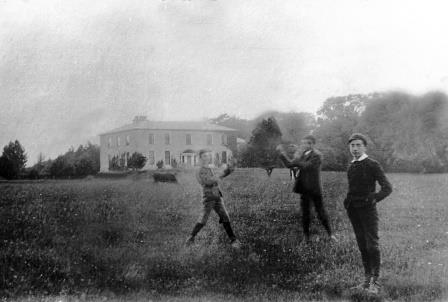
Cregaclare House, the home where Bentinck grew up. The three young men in the uncaptioned photograph might be Bentinck, left, and his two older brothers, Benton, centre, and heir John George. Picture: landedestates.ie/property/617
Family Home
Cregaclare House was built in 1802. In the 1830s, it is described as having elegant gardens and a hot house producing various types of fruit. It was bought by Lord Clanmorris in the late 1850s.
Famine Landlord
Bentinck was a younger son in a family where titles and land shaped destiny. During his lifetime, his father held more than 12,000 acres, making him one of the area’s principal landlords during and after the famine years. Remembered locally in County Mayo and Galway as a fair and kind-hearted landlord, when he died in 1876, more than 800 of his tenants marched four-deep in his funeral procession. Other attendees included Sir Arthur Guinness MP and Major le Poer Trench.
The Freeman’s Journal, on 13 Apr 1876, reporting on the funeral, said: “The remains of this lamented nobleman were conveyed on Saturday by rail from Lismany, Ballinasloe, the residence of Allan Pollok, Esq.*, where he died, to Creggclare, his seat in this county, and were on Monday interred in a cemetery within the demesne. … The coffin was of polished oak, very richly mounted, and bore the following inscription: “John Charles Robert Bingham, 4th Baron Clanmorris, born 28th Nov., 1826, died 5th April, 1876.” … At twelve o’clock the hearse was drawn up to the entrance door of Creggclare mansion, when the coffin was placed in it, and the mournful cortège commenced to move forward to the ancient cemetery in the demesne, which has been adopted as a family burying place of the Clanmorris family. Immediately after the hearse, the following gentlemen walked on foot as chief mourners: The three sons of the lamented nobleman, Hon. John George Bingham, Hon. Burton Percy Bingham, and the Hon. Bentinck Yelverton Bingham; Hon. Albert Yelverton Bingham, brother of the lamented deceased; two sons-in-law of the lamented nobleman, Albert Brassey, Esq., Haythrop Park, Oxfordshire; and John Pollok, Esq., Lismany, Ballinasloe … The funeral service concluded, the remains were deposited in a temporary vault prepared for the melancholy occasion. It is the intention, we understand, of Lady Clanmorris to have a mausoleum erected in the very picturesque and ancient cemetery in which the remains of the late Lord Clanmorris now repose.”
*Allan Pollok’s son John was married to Bentinck’s sister, Hon. Florence Madeline Bingham.
Across the World to Queensland
Bentinck had ties to Australia. As well as his relative, Sir Richard Graves MacDonnell, having served as Governor of South Australia, his uncle, De Burgh Fitzpatrick Persse, was a notable figure in Queensland.
Born in 1840 in Moyode Castle, County Galway, Persse arrived in Brisbane in 1863. At the age of 23, he began his career in Queensland’s pastoral industry.
By 1865, he had purchased Tabragalba Station near Beaudesert. Over time, he expanded his holdings, establishing himself as a significant figure in Queensland’s pastoral industry
Persse was also actively involved in public service. He served as a Member of the Queensland Legislative Assembly for the Fassifern constituency from 1878 to 1883.
Persse married Mary Blair in 1871, and they had several children. He was known for his involvement in various organisations, including the Royal Bank of Queensland, the Agricultural and Pastoral Society, the Queensland Club, and the Jockey Club. He was also on the committee of the Irish Famine Relief Fund in 1880, in response to ‘the little famine’ crop failures in Ireland, together with members of the Queensland Hibernian Society, precursor to the QIA, and other Irish civic leaders, including the Fund Chair and Queensland Governor, Sir Arthur Kennedy.
Bentinck came out to Australia, along with his brother Benton Percy, for ‘colonial experience’ with his uncle.
Six months after his father’s death, the shipping news in The Brisbane Courier of 21 Oct 1876 reports that among the passengers on the ship Decapolic, which left London on August 31 headed for Brisbane, were Hon. Mr. Bingham. The Queenslander, on 2 Dec 1876, then reported the arrival of the Decapolic on November 30 with Hon. B. Y. Bingham on board.
Bentinck soon settled into a life not too different to what he left in Ireland, he is listed in newspaper reports over the next few years being active in gun clubs, turf clubs, horse races and polo matches, often with Persse. Many of these took place around the Logan and Beaudesert areas.
A report in The Brisbane Courier on 17 Mar 1877 reports that “The Upper Logan has been lately the scene of much valedictory feasting and merry-making. An old and popular resident, J. W. Lewis, Esq., who has been identified with this district for the last ten years — ever since he has been in the colony, in fact — has lately secured a fine piece of country in the North, and desired before leaving to entertain the friends amongst whom he has lived so cordially and so long.” The party was held at Cryna, Beaudesert with dancing into the night. As part of the celebrations, a race meeting was held the next day and among the those taking part was Bentinck. It says: “The finishes were close, and the races ridden in all cases by owners with the utmost spirit and determination.” Among the horses taking part were Hon. B. Bingham’s Mickey Quinn, Hon. B. Bingham’s Madcap, W. Persse’s Soldier, and Hon. B. Bingham’s Balderdish.
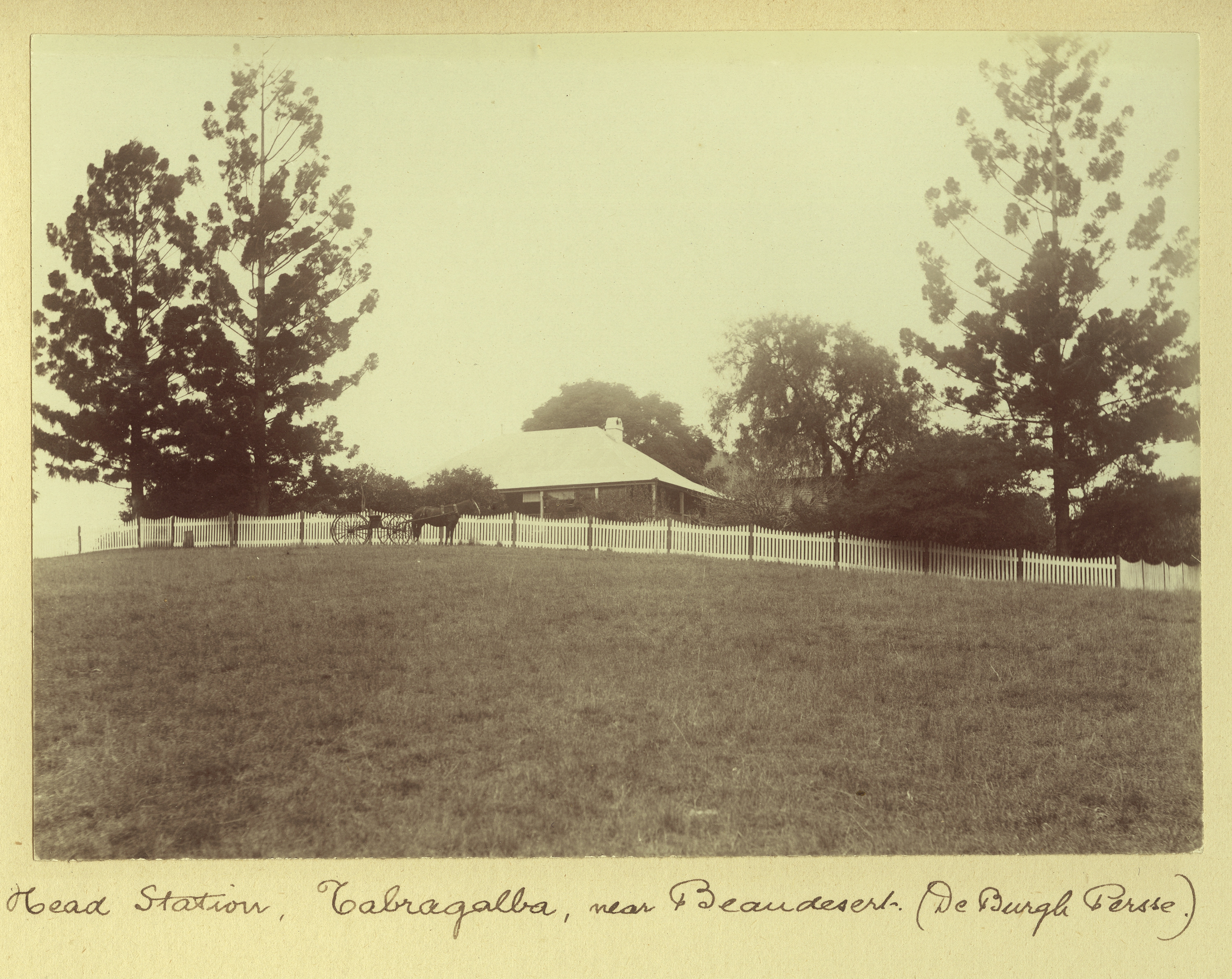
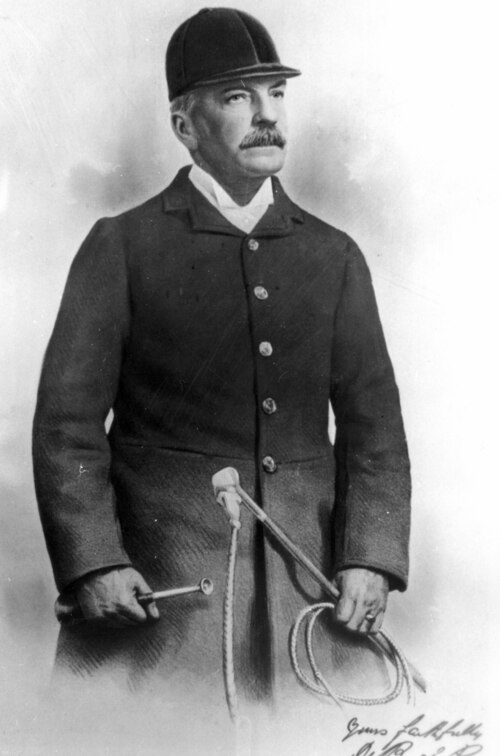
The DeBurgh Persse Homestead at Tabragalba Station, near Beaudesert. Taken from a photograph album, 1906-1929. Picture: State Library of Queensland. And, right, De Burgh Fitzpatrick Persse, Bentinck’s uncle.
Investing in land
Over two years after arriving, Bentinck was headed north in search of investments in land.
On 18 February 1879, Hon. B. Bingham is listed as a passenger on a ship leaving Brisbane, bound for Bundaberg, and in September 1879, the Brisbane Courier reported on stock movements in western Queensland. The notice mentions that the Hon. B. Bingham purchased Fort William run on the Burke River at a “satisfactory price,” with the property described as excellent for sheep or cattle, with permanent water and good timber.
A report on stock movements in The Queenslander newspaper from Boulia the next month, on 29 October 1879, reported that “300 head of mixed cattle, the property of the Hon. B. Y. Bingham, are now passing up the river to Fort William. Tooleybuok fat cattle start next month.”
Three months later, on 24 January 1880, The Queenslander reports from Burke River, Boulia: “I hear that the country lately stocked by Mr. Bingham has been sold to the Hon. A. H. Palmer, who, it is said, intends putting sheep on it.” (Hon. A. H. Palmer was Arthur Hunter Palmer, Irish-born, pastoralist turned politician, who rose to become Premier of Queensland and President of the Legislative Council.)
By the end of 1880, Bentinck had been joined in Australia by his older brother Burton Percy Bingham. Both Bentinck and Burton invested in land in Queensland. A newspaper report decades later in February 1928, detailing their niece Zara Eileen Pollak marrying the Governor of South Australia, said: “The wife of the new Governor of South Australia is Irish and owns the pretty name of Zara Eileen. She is the daughter of John Pollak, of Lismaney, County Galway, and her mother was the second daughter of the fourth Baron Clanmorris. The Clanmorris family is well known in Australia. The Hon. Ben and the Hon. Burton Bingham had land in Queensland, and the late Lord Clanmorris visited the Antipodes. The De Burgh Persse family is also related, and the Joyces of Beaudesert too.”
Police incident
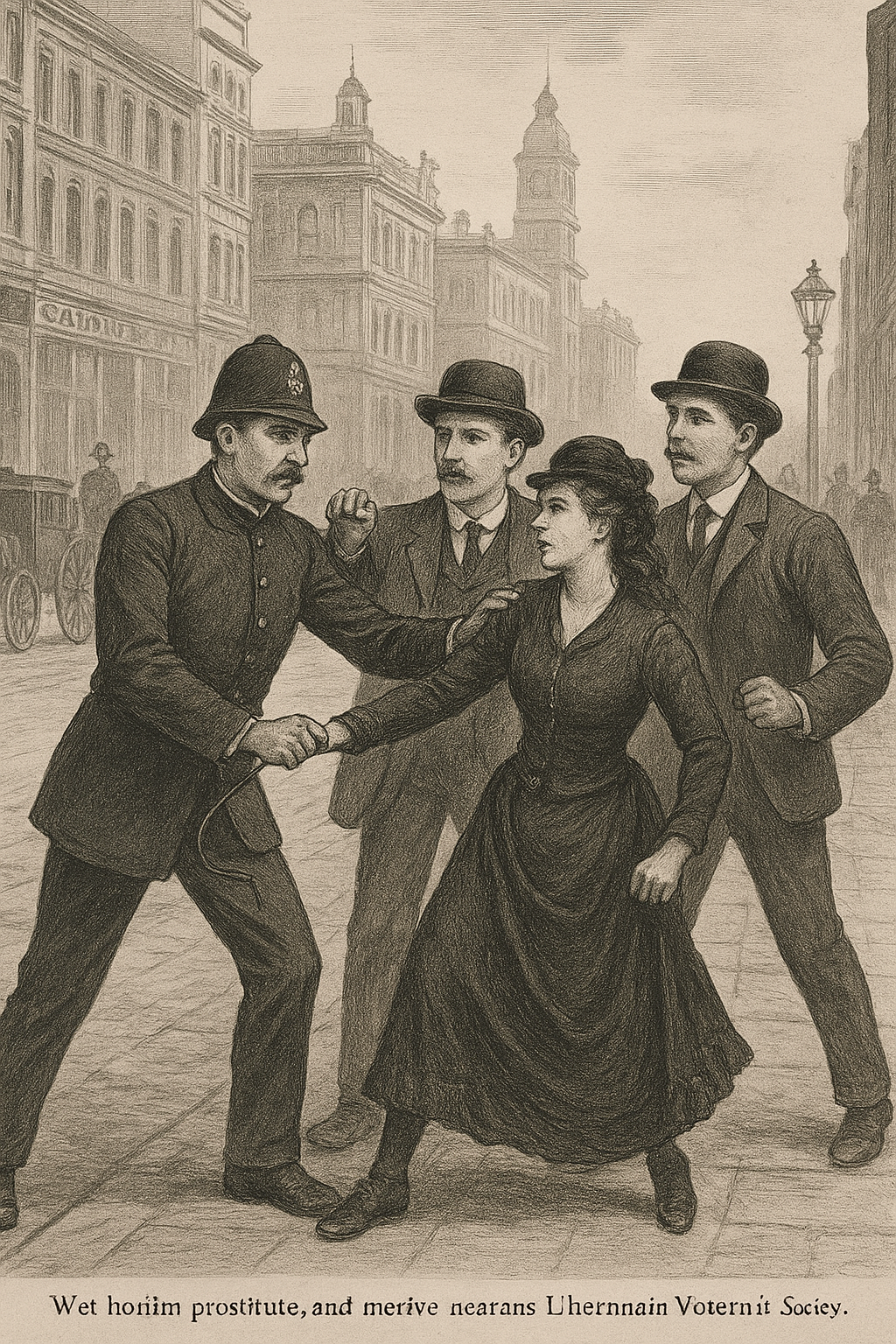
The Northern Miner on 6 Nov 1880 reporting from Brisbane, said: “A well-known prostitute, of the name Annie Mortimer, was standing on the edge of the pavement in Queen Street one night. It does not appear that she was doing anything but flicking her skirt with a riding whip. A constable O’Neil, laid his hand on her shoulder and said, “none of that nonsense, you’d better go home.” The woman raised her whip and struck him over the head and jaw. He arrested her, and as he was taking her to the uplock two young men of the name Bingham attacked him. Together apparently they knocked him down and struck him. When on the ground he struck one of them with his baton. The next day, in the Police Court, the woman was fined 5s and the Binghams 2 pounds each. But, directly afterwards, O’Neill was taken to the office of the Commissioner and discharged for using his baton. To complete the story, I should add that the Binghams are “honourables,” relations of Persse, M.L.A., with whom they are putting in colonial experience, and, I believe, friends of Commissioner Seymour.”
Commissioner David Seymour was Queensland’s first Police Commissioner. He was from a middle-class Anglo-Irish family, born in Belfast and educated in Trinity College, Dublin.
One year later, both the brothers were still in Queensland, with Queensland Times reporting that on 6 December 1881 the ship Lady Bowen had departed from Brisbane, bound for Maryborough, Bundaberg, and Rockhampton, with Hon. B. P. Bingham and Hon. B. T. Bingham on board.
Riding accidents
The Telegraph newspaper on Tuesday, 11 January 1881 reported: “ACCIDENT TO THE HON. B. BINGHAM As the Messrs. Bingham were crossing Breakfast Creek Bridge yesterday, on horseback, the horse ridden by Mr. Bentinck Bingham shied, and, on being touched with the spur, slipped and rolled on his rider, causing a compound fracture of the elbow. Mr. Bingham was conveyed to Newstead, and shortly afterwards attended to by Dr. Concanon.”
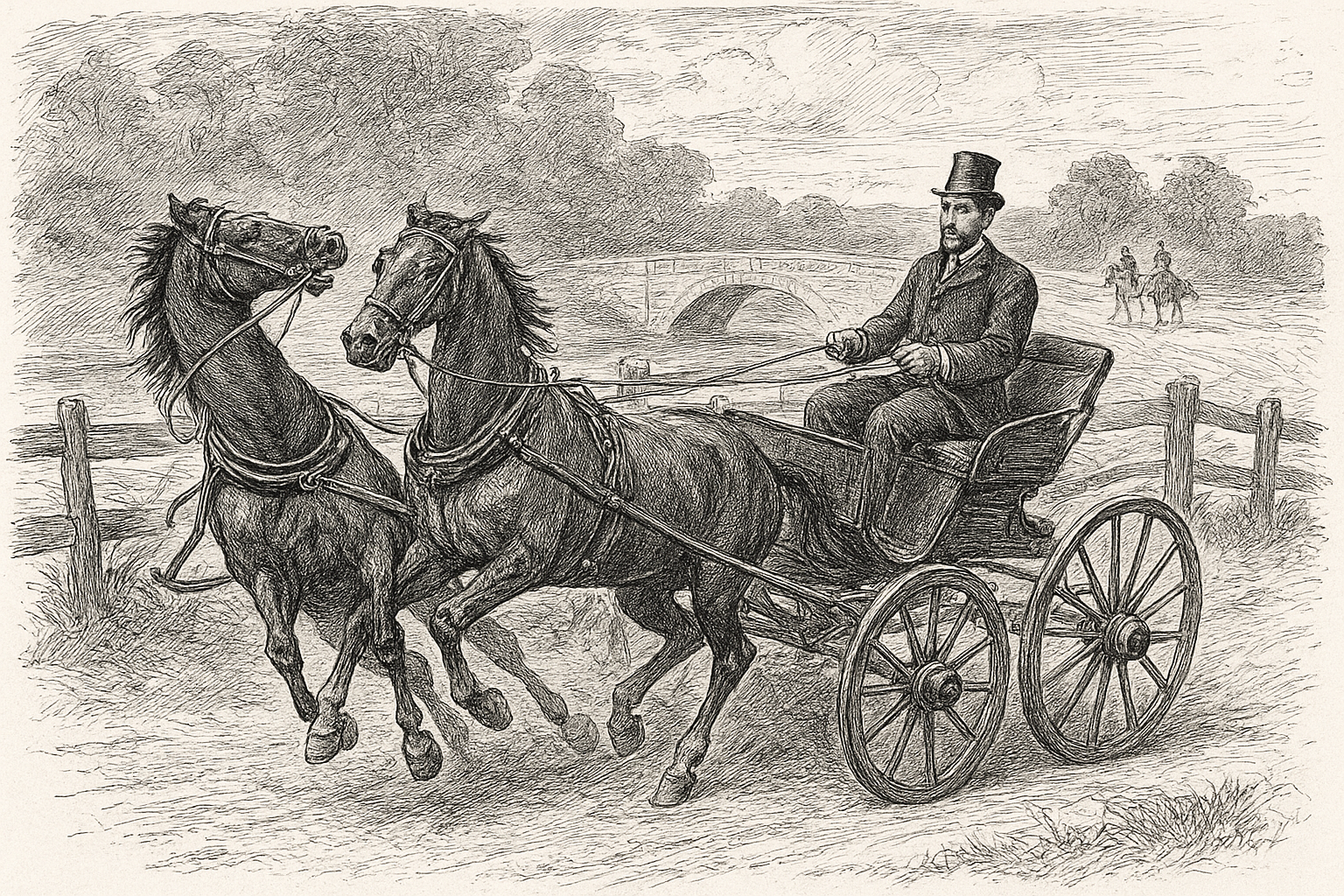
Then on 11 May 1881, The Brisbane Courier reported another accident, likely to Burton: “A pair of spirited young horses were being driven yesterday afternoon to the Exhibition grounds by the Hon. B. B. Bingham, when just as they neared the bridge at the foot of the hill before reaching Bowen Park something frightened the one on the near side, who, shying violently, forced the other horse off the road, and the two charged the fence in a most dangerous place. One succeeded in jumping it, and hung on the other side, suspended by the collar, while the trap, brought up against the fence, was fortunately prevented from capsizing by a post. The horses were ultimately extricated without damage, though the harness and vehicle were much damaged, the polo of the latter being smashed, besides other breakages. Strangely enough Mr. Bingham was not shaken from the box by the concussion, and sat holding the reins till the horses were extricated with a composure that seemed entirely unruffled by the very great peril of the situation.”
The next year, on 12 August 1882, Burton was back in the news, as The Capricornian (Rockhampton) reported: “A summons was issued a few days ago, at the instance of the Municipal Inspector, against the Hon. B. P. Bingham for a breach of byelaw 21 — namely, driving at other than a walking pace across the Fitzroy Bridge. On the case being called in the Police Court, Mr. Butter (from the office of Messrs. Jones and Brown) intimated that the complaint had been withdrawn. No further explanation was offered, but as the prosecutor thus withdrew from the case, it was struck off the list.” It goes on to say that Burton took “his departure in the S. S. Keilawarra on Tuesday”.
Burton returns home
Three months later, the Logan Witness on 4 Nov 1882 reports under departures: “On Wednesday last Mr. and Mrs. De Burg Persse, accompanied by the Hons. Burton and Bentinck Bingham, left Brisbane by the A.S.N. Co.’s steamer Glanworth for Sydney, en route for England. It is understood that Mr Persse will be back again for the next session of Parliament, leaving Mrs. Persse at “home” for next summer.”
A shipping report in The Sydney Mail said that in August 1883, Hon. B. Y. Bingham (Bentinck) arrived in Australia. Bentinck seems to have returned to Australia alone. And in March 1884, Bentinck was reported to be shooting at the Logan and Albert Gun Club.
In April 1884, there are stock movements reported from Nanango of “About 100 head of mixed cattle, from Tabragalba to Hawkwood, belonging to the Hon B. Y. Bingham”.
On 15 Jan 1885, there is a report of the RMS Clyde departing for Europe with “Hon. B. G. Bingham” (Bentinck) on board. And The Age in 6 June 1887 reported that the ship Star of Bengal had arrived from London with Hon. B. Y. Bingham (Bentinck) on board.
On 12 Dec 1888, Western Star and Roma Advertiser has a report from J. G. Green & Co. in Charleville on land sales that says: “We sold on account of O. F. S. Beichmann 42 feet frontage to Alfred-street for 250 pounds cash, being very nearly six pounds per foot, the Hon. B. P. Bingham purchaser.” This seems to refer to Burton, but no documents show he was in Australia at that time. There is a report of Burton being in Ireland in 1891, fox-hunting with his uncle De Burgh Fitzpatrick Persse.
Lost at muster
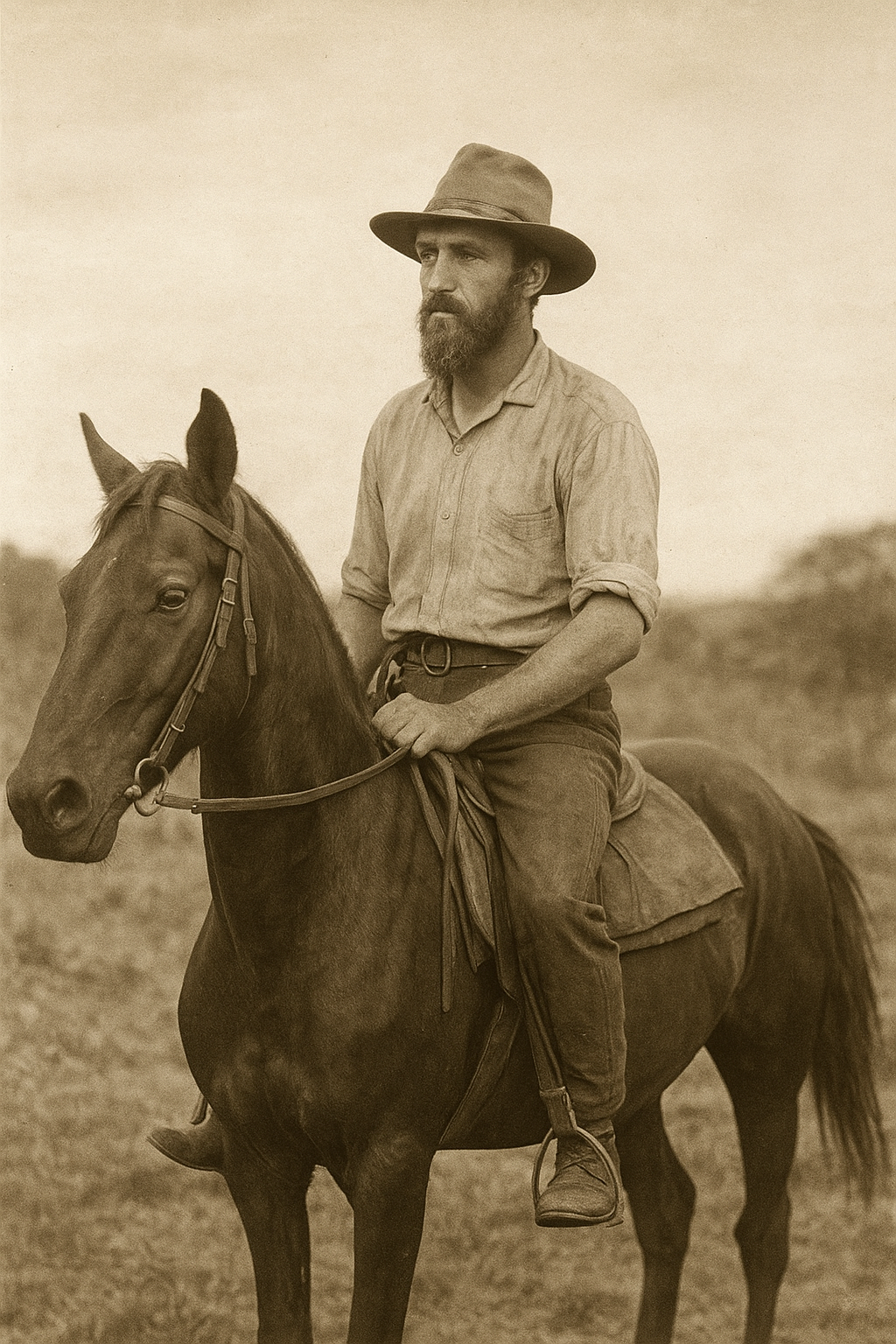
Bentinck is back in the newspapers the next year, a report in The Brisbane Courier on 19 Dec 1889 said: “The Hon. B. Y. Bingham (reports the Charleville Times) had a thrilling experience whilst assisting the muster at Riversleigh last week. He had gone out with the horse prior to camping when a violent storm occurred. In the darkness Mr Bingham, who was on foot, lost all knowledge of direction, and next morning he was absolutely at sea. Fortunately he struck the Angellala, and wandered for twenty-four hours until he struck a point of recognition. Here he found himself twenty miles from the station, and had a weary trudge back, meeting the Messrs. Dunne Bros., who had started out in search, but the rain had obliterated his tracks. On the second evening Mr Bingham was exposed to a storm of unprecedented fury, the hail falling like bullets. He suffered much privation, and, to use his own words, had for two days only the birds to talk to.”
Sudden insanity
A report in the Gympie Times and Mary River Mining Gazette on 1 February 1890 said: “A Charleville telegram dated Tuesday reports: – The Hon B. Y. Bingham, a brother of Lord Clanmorris, of Galway, left Charleville in charge of two constables by the train last night for Roma Gaol, for additional medical examination and a charge of being of unsound mind. A strait jacket had to be put on him before he could be got into the train. The unfortunate young gentleman, who is well known in the West, came into a considerable sum of money about a year ago, since which time he has been living in this neighbourhood. He got through his money in an unprofitable way, and the worry lately suddenly produced insanity. Mr. Bingham is also a near relation of Mr. De Burgh Persse.”
The Gympie Times and Mary River Mining Gazette reported that on January 28, “The Hon. H. Y. Bingham, of Charleville, has been taken to the Roma Gaol charged with being of unsound mind, caused by excessive drinking owing to anxiety over land speculations.”
The Week on Feb 1, 1890, said: “Charleville. January 27. The Hon. Bentinck Yelverton Bingham, in charge of two policemen, was sent down to Roma Gaol by last night’s train, charged with being of unsound mind. This illness is alleged to have been caused by excessive drinking, brought on, it is reported, by anxiety and worry over land transactions with a local agent, and over which, it is said, he has had great difficulty as to title deeds.”
From aristocracy to asylum
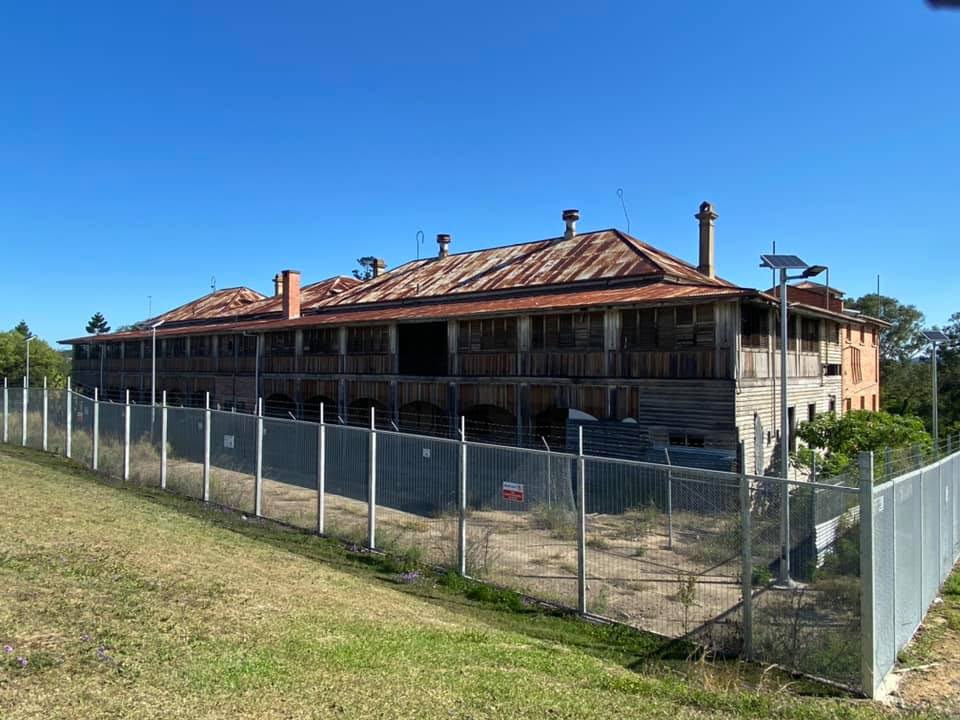
In January 1890 Bentinck was admitted to the Woogaroo Lunatic Asylum in Wacol, suffering from general paralysis of the insane. Conditions at Woogaroo Lunatic Asylum during the late 19th century were harsh. Established in 1865, the institution was Queensland’s first public mental health facility. Patients were reported to be often housed in overcrowded conditions, with limited medical care. The asylum’s remote location, 19 kilometres southwest of Brisbane, added to the isolation experienced by its inmates.
On 27 February 1890, the Melbourne Punch reported: “THE Hon. B. Bingham, now in a Queensland lunatic asylum, was notably eccentric years ago. Being a brother of an Irish peer, he was in his wanderings over West Queensland repeatedly invited to rest his head under the roof of a white-shirted P.M. or aristocratic J.P. Rarely, however, he would assent, and the assent was almost certain to be followed by a sudden and mysterious disappearance. He was happy among a crowd of drovers, and was, if anything, a drover himself. He did not hide the fact that Lord Clanmorris was his brother; on the contrary, he drew attention to the relationship in many ways, but he liked to act up to the character of the reckless bushman. His clothes were generally old, his hats in particular being curiosities in that respect. He had an aversion to strong drink, until quite recently, but always carried among his traps fully a score of bottles filled with chemical mixtures which he thought did him good. On the whole he was passably well liked.”
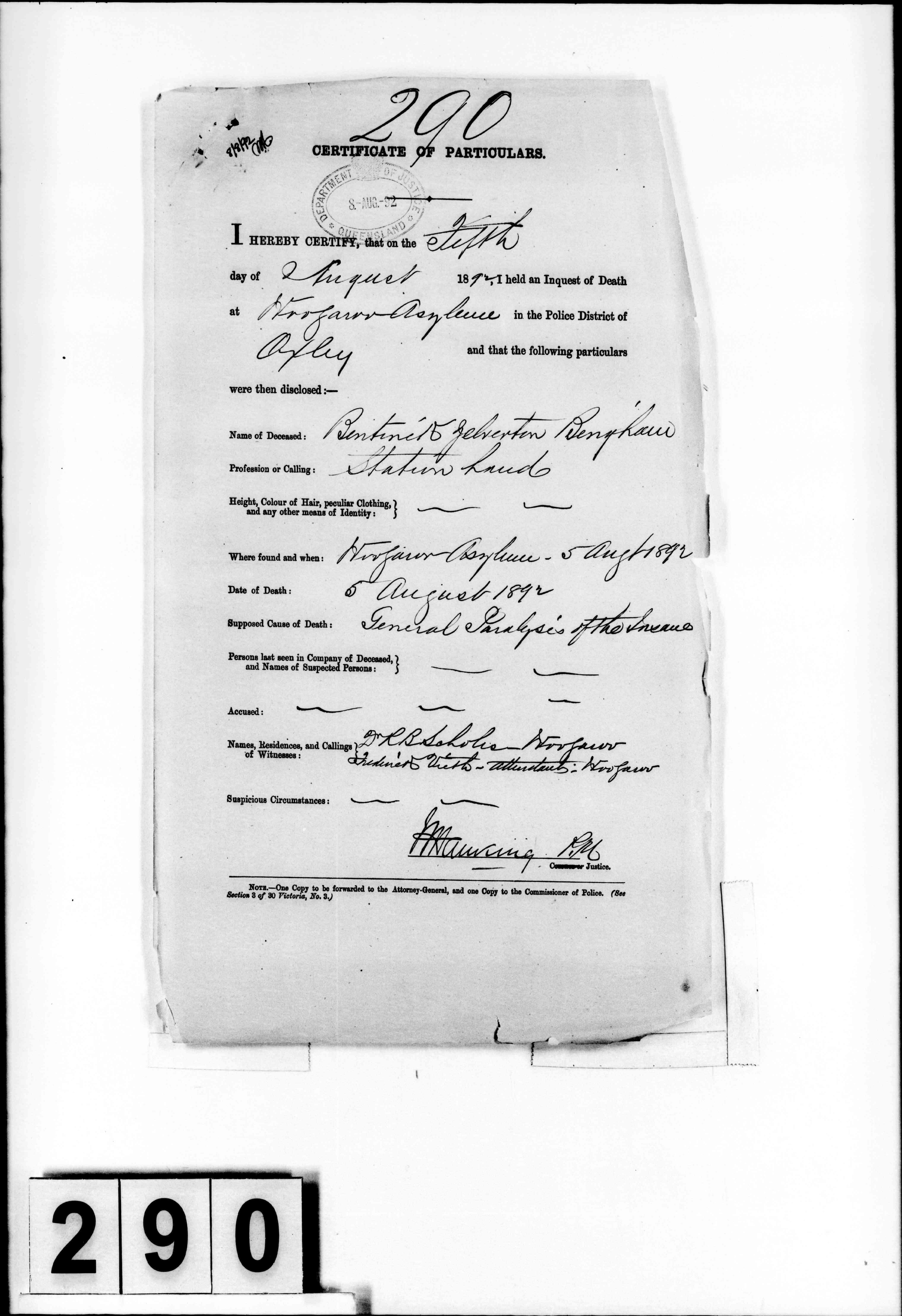
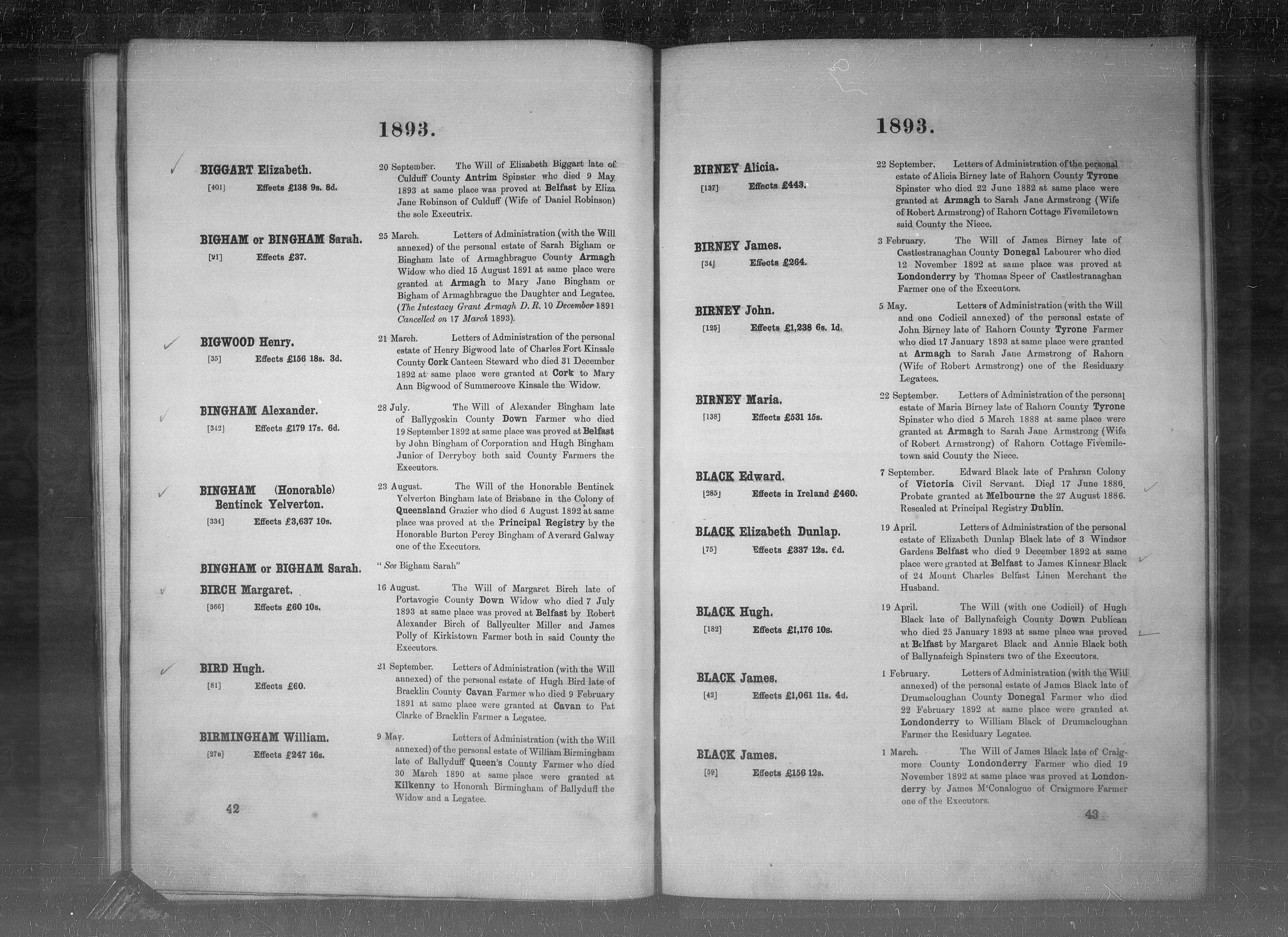
A page from the inquest report into the death of Bentinck Yelverton Bingham at Woogaroo Asylum, now The Park Centre for Mental Health, in Wacol, above, and, below, The Insanity Register showing Bentinck entered the Woogaroo Asylum on 28 January 1890 at age 35 and, bottom, Bentinck’s probate record from Ireland.

For more than two years, Bentinck remained in the asylum, until his death on 5 August 1892. His inquest papers stripped away his privileged past and named him simply as a “station hand”.
His inquest report, written by Superintendent of Woogaroo Lunatic Asylum Richard Scholes, stated: “I knew the deceased patient Bentinck Yelverton Bingham who was admitted January 28th 1890 suffering from General Paralyses of the Insane. In the course of his decline he has latterly suffered from prolonged attacks of convulsions. For the last week he has lain unconscious from these attacks and he died this morning August 5 1892 at about 8.30am. The cause of death was General Paralysis of the Insane.”
A further inquest report by Frederick Virth states: “I am an attendant at this asylum. I knew the deceased patient Bentinck Yelverton Bingham since 13th January last, on which date he was received into Hospital Ward from No2, and was put to bed. After about a fortnight he was able to get up and go about a little. On 15 May last he was again put to bed, although he took his food well he gradually got weaker. He has been in a sinking condition for the last three days, he died in my presence this morning the 5th August 1892 at 8.30am. The body was viewed after death.”
Unlike so many inmates of Woogaroo, who were laid in unmarked graves within the asylum grounds, his family refused to let Bentinck’s name be forgotten. His brother and sister paid for his burial at Toowong Cemetery and ensured that a headstone marked his place.
Bentinck’s brother Burton married Frances Matilda Persse in Ireland in 1895.
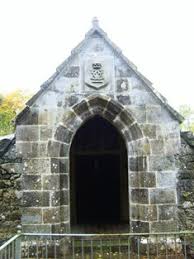
The Mausoleum
The family’s memory was enshrined in the Bingham Mausoleum at Ardrahan, County Galway. Built in 1890 in the Gothic Revival style, it was erected for Bentinck’s father. The mausoleum is located in Cregaclare Demesne, the grounds of the family home. It is set within the walls of a ruined late medieval church, which itself is within an early Christian ecclesiastical enclosure. The church dates from the 15th or 16th century. The enclosure may have been associated with St. Colman, a 6th century saint who founded several monasteries in Ireland.
A grand testament to endurance, the mausoleum was designed to house generations of Binghams.
The structure, together with the church and ecclesiastical enclosure, is protected as a national monument under the care of the Office of Public Works. Open to visitors, it offers a rare glimpse into the family’s history while standing as an impressive architectural feature amid Galway’s ancient and medieval surroundings.
The Bingham Mausoleum held the remains of Lord Clanmorris, his wife, and his brother. These remains were removed in 1945 to be reburied in the Church of Ireland churchyard in Ardrahan, County Galway.
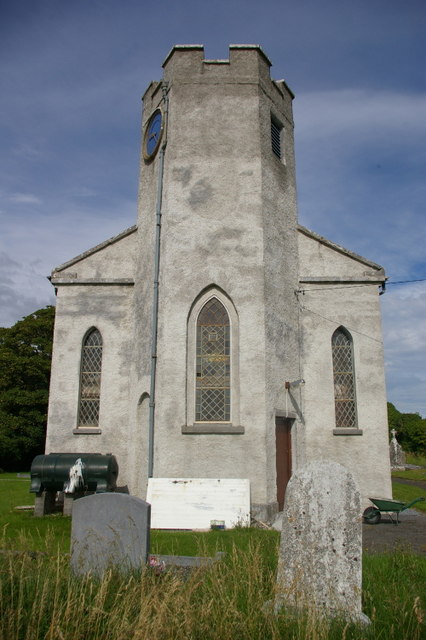
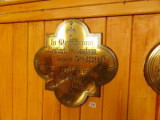
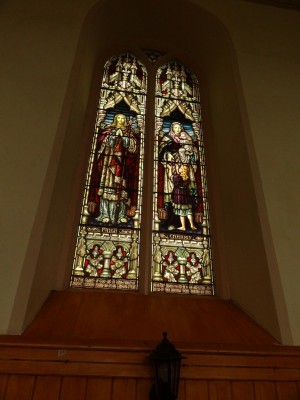
The Church of Ireland in Ardrahan, County Galway, commemorates members of the Bingham family, including Bentinck. A brass plaque at the church was erected by his mother. There is also a stained glass window dedicated to Bentinck and Burton.
Pictures: Wikipedia, Historic Graves
That church holds significant historical and familial connections to the Bingham family, particularly the Clanmorris branch. Established in 1809, it served as a central place of worship for the local Anglo-Irish landlord families. Plaques within the church commemorate various members of the family, including Bentinck. A brass plaque reads: “In loving memory of Bentinck Y. Bingham, died August 5th 1892. This tablet is erected in loving memory by his mother, Ann.”
Bentinck’s brother Burton died just six years after Bentinck. Their family commissioned two stained glass windows for the church in their memory. The inscription reads: “To the glory of God and in loving memory of Burton Percy Bingham who died Dec 10 1898 aged 45 years and of Bentinck Yelverton Bingham who died Aug 5 1892 aged 37 years. Erected by their sorrowing mother, brothers and sisters.”
The Fall of the Big House World
Bentinck’s short life coincided with the twilight of his class. He was born into a family that still commanded thousands of acres and respect from their tenants. By the time of his death, however, the winds had shifted. The Irish Land Acts were transferring land to farmers. Within a generation, the Clanmorris houses were gone or diminished, the great estates broken up, their former grandeur reduced to ruins, holiday rentals, and memories.
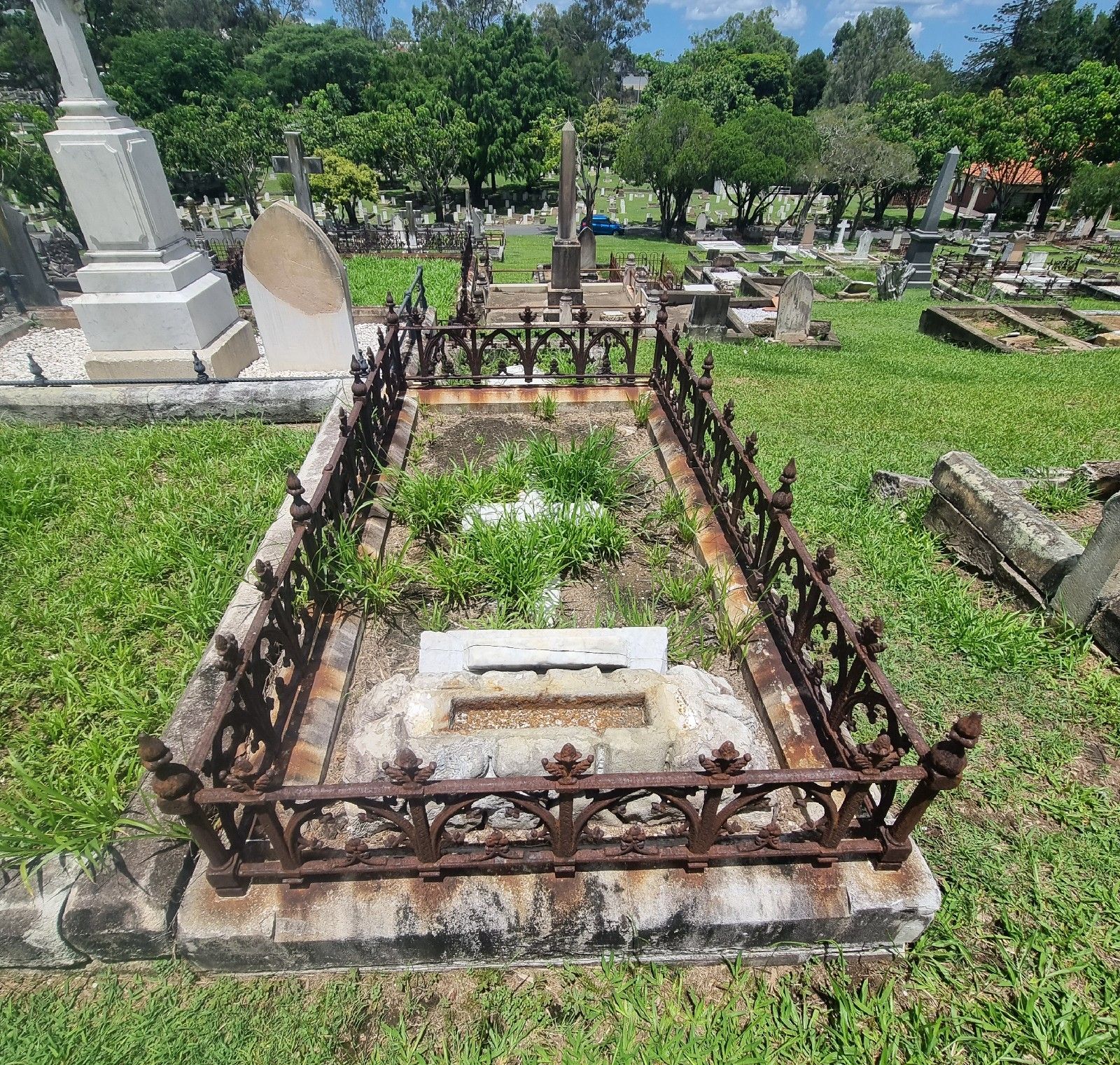
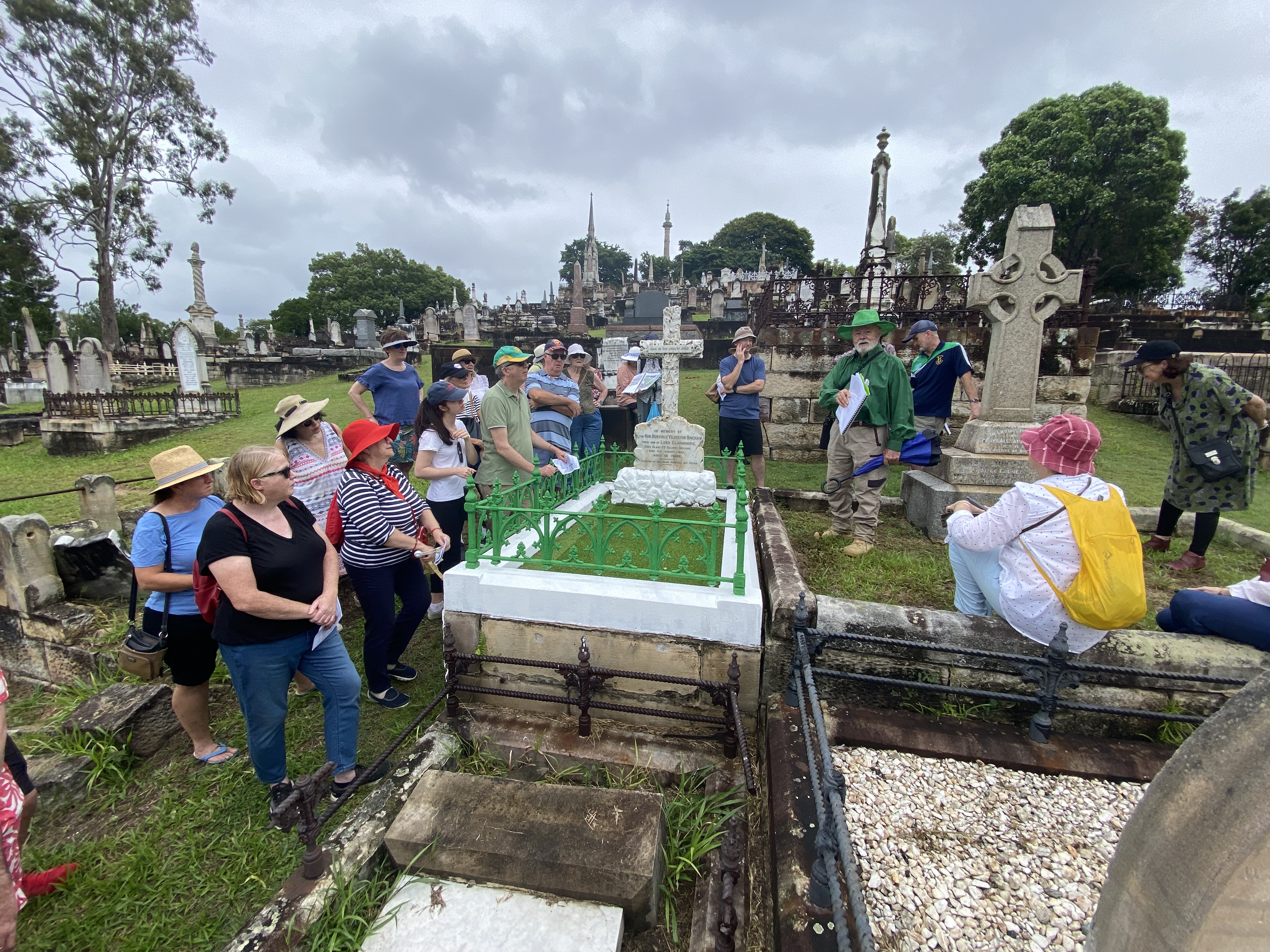
Visiting Bentinck’s refurbished grave on the QIA/Friends of Toowong Cemetery Irish tour in March 2024, and, inset, the grave before its makeover. Pictures: Mary Allen and Findagrave.com
A Life in Context
Bentinck’s life bridged two worlds: the aristocratic Ireland of big houses and baronies, and the colonial frontier of Queensland, where he enjoyed a humble life as a drover. His grave in Toowong is a reminder that the Anglo-Irish story was not confined to Ireland — it scattered across the globe. And in this scattering lies the truth of the Binghams. They were soldiers, landlords, patrons, and wanderers. Some were remembered with reverence, others with bitterness. But all were tied together in the great arc of Irish history. Younger sons of aristocrats like Bentinck and Burton had a freedom not enjoyed by the eldest brother, the heir. Bentinck’s life, though short, was fascinating, his memory once again alive in Queensland, a place he clearly loved.
Notable Descendants
The current, 8th Baron Clanmorris, is Simon John Ward Bingham, born in 1937.
The author Charlotte Bingham is the sister of the 8th Baron Clanmorris.
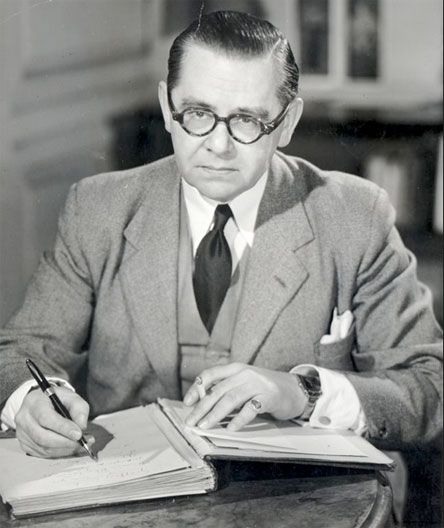
Her father, John Michael Ward Bingham, the 7th Baron Clanmorris, served in the Second World War with the Royal Engineers. After the war he worked for MI5 in a counter-intelligence role and — drawing on this experience — became a prolific novelist of thrillers, crime and spy stories.
Over his career he published numerous novels and short stories and is widely regarded as an important influence on the modern spy novel; he is often cited as the inspiration behind John le Carré’s character George Smiley, played by Gary Oldman in the movie Tinker, Tailor, Soldier, Spy. His wife, Madeleine Bingham, was also a novelist.
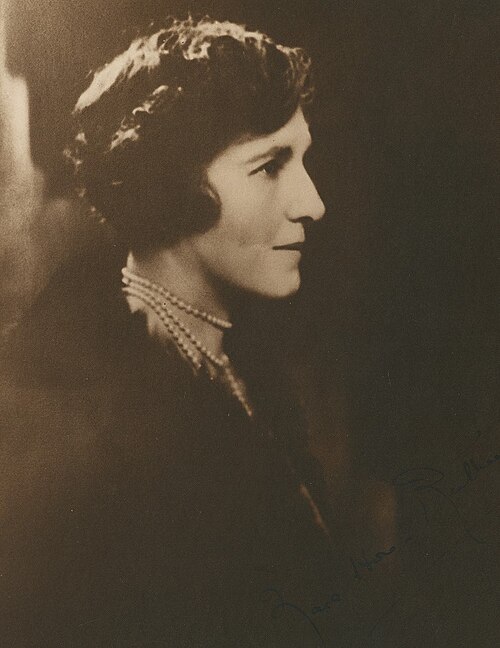
Bentinck’s niece Zara Eileen Pollok, the Countess of Gowrie, married Alexander Hore-Ruthven who became 1st Baron Gowrie, and later Governor-General of Australia. Known as Lady Gowrie, she is remembered for her work with children. Queensland’s Lady Gowrie childcare centres are named after her.
The Hon. Edward Barry Stewart, was a Royal Navy officer, was Bentinck’s nephew, the younger son of the 5th Baron Clanmorris. He was awarded the Victoria Cross for leading his destroyers with exceptional courage at the Battle of Jutland in 1916.
A Life in Context
Bentinck’s life bridged two worlds: the aristocratic Ireland of big houses and baronies, and the tough colonial frontier of Queensland. Bentinck was the aristocrat who dropped out — the younger son of an Irish lord who turned his back on polite society to roam the outback. A well-liked wanderer with a taste for solitude and a flair for the dramatic, he preferred campfires and drovers’ banter to drawing rooms and dinner parties. He dressed like someone who didn’t care what anyone thought — faded clothes and battered hats. He was known to vanish suddenly and follow his own rhythm, avoiding alcohol and taking alternative medicines. This idealist, misfit, and romantic eccentric’s memory is once again alive in Queensland, a place he clearly loved.
His grave in Toowong is a reminder that the Anglo-Irish story was not confined to Ireland — it scattered across the globe. And in this scattering lies the truth of the Binghams. They were soldiers, landlords, patrons, and wanderers. Some were remembered with reverence, others with bitterness. But all were tied together in the great arc of Irish history.

