
For the Irish, the turn from October into November has always carried a special weight. It begins with Halloween, or Oíche Shamhna. Long before pumpkins and lollies, the ancient Celts marked the end of harvest and the beginning of the dark half of the year with bonfires and disguises. They believed the veil between the living and the dead was at its thinnest, so people dressed up to confuse wandering spirits and left out food for them. Even when Christianity softened those older beliefs, the night stayed alive in Irish villages with games, storytelling, and just enough eeriness to remind everyone that this was no ordinary evening.
The next morning was All Saints’ Day (1 November), when the Church honoured all the saints, named and unnamed. This was observed by Catholics, Anglicans, and other Protestant churches alike. In Ireland’s Church of Ireland (Anglican) parishes, the day was marked by a special service of Holy Communion, hymns, and readings from scripture. For Catholics, it was a holy day of obligation, meaning everyone was expected at Mass.
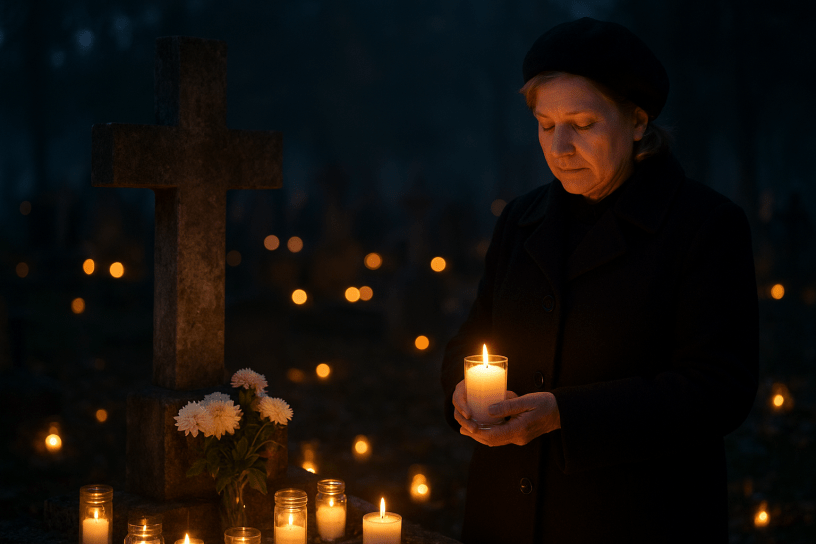
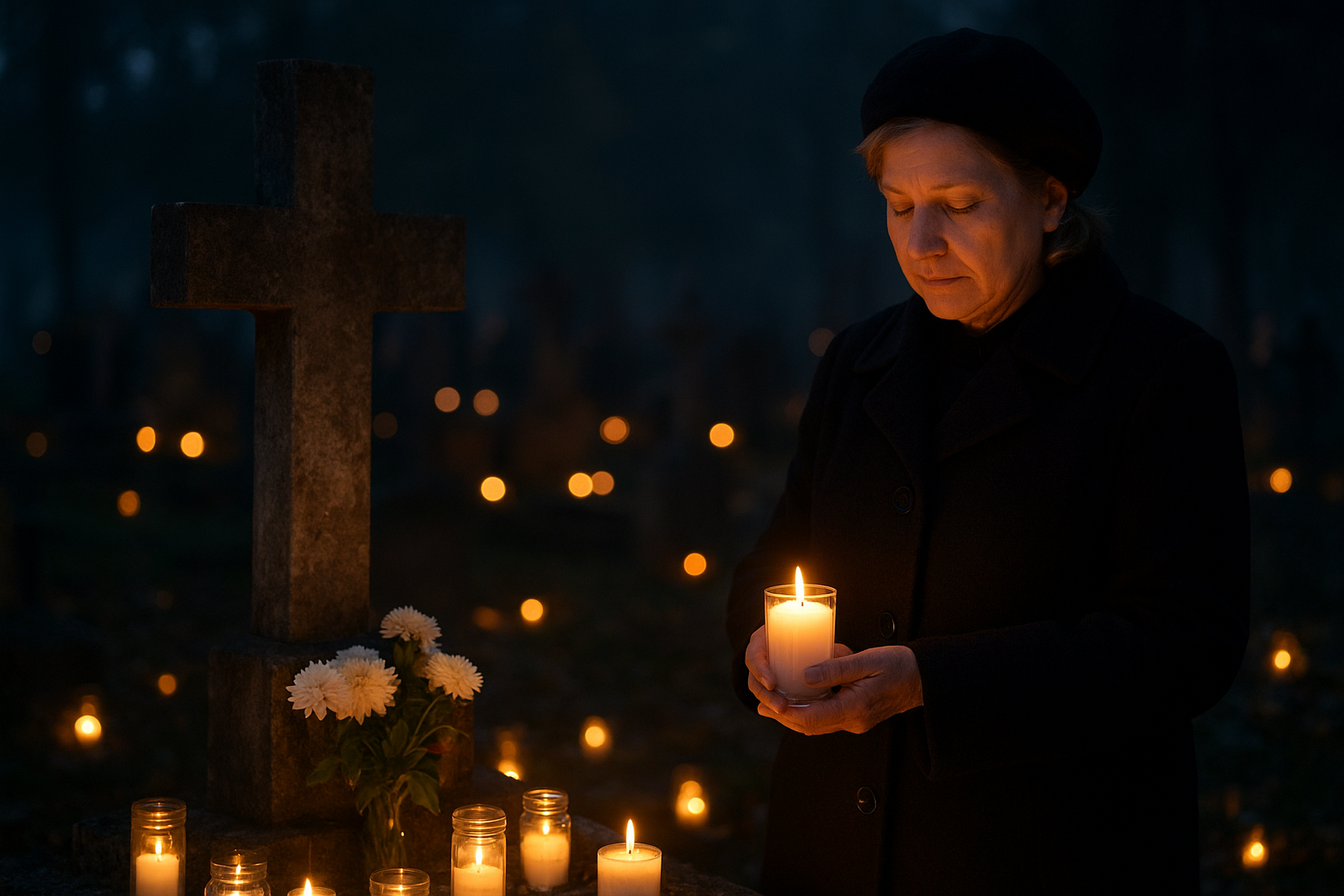
Then came All Souls’ Day (2 November), which was most strongly kept by Catholics. It was a day for praying for the faithful departed — the ordinary people of every family, not just the saints. In Ireland, parishes held special Masses where long lists of the dead were read aloud, and families went to tend graves, light candles, and pray. Protestant and Anglican churches often held services of commemoration. In both traditions, November came to be a season of remembrance, when the names of the departed were called to mind.
When Irish emigrants came to Australia, they carried these practices with them. Catholic parishes held November Remembrance Masses, inviting parishioners to hand in names of their dead to be remembered at Masses all month. Anglicans and Protestants often marked the season with a solemn All Saints’ service and sometimes a quiet gathering of remembrance in cemeteries or churches.
Halloween’s bonfires, All Saints’ solemnity, and the tender prayers of All Souls were all part of the rhythm of Irish life. And even here, under southern skies, the season still belongs to memory, prayer, and that fragile thread that links the living with those who have gone before.

