
Artist who helped build state’s cultural life
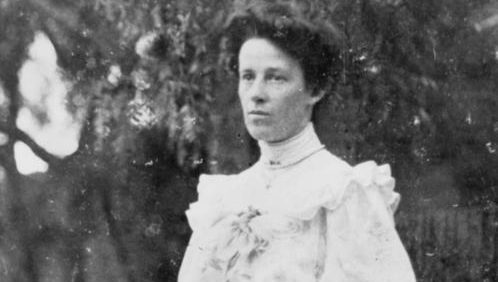
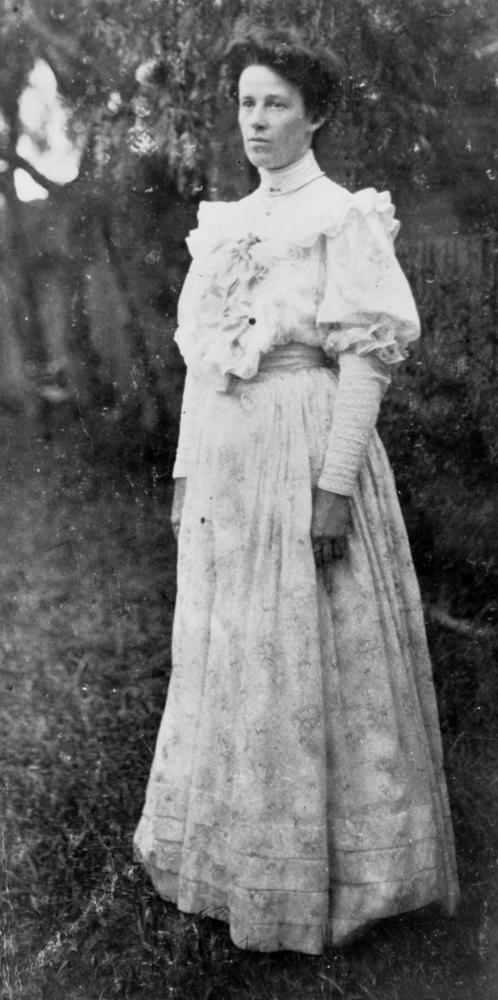
Frances Vida Lahey (1882 – 1968) was a Queensland-born artist, teacher and arts advocate from a large Irish-Australian family who became one of the most influential figures in the development of art and art education in Queensland.
Born at Pimpama in 1882, Vida Lahey was the daughter of Irish-born timber merchant and farmer David Lahey and Jane Jemima Walmsley. She grew up in the well-known Lahey family, whose timber operations around Canungra became one of south-east Queensland’s major rural industries.
The eldest of twelve children, Lahey studied art in Brisbane under Godfrey Rivers before continuing her training at Melbourne’s National Gallery School, where she was taught by prominent Australian artists including Frederick McCubbin.
Her breakthrough came in 1912 with the painting Monday Morning, a detailed and unusually sympathetic portrayal of women’s domestic work in a Queensland home. The painting became one of the best-known works in early Queensland art and helped establish her reputation nationally.
During the First World War, Lahey travelled to London to support her brothers and cousins serving with the Australian Imperial Force. She became heavily involved in voluntary war work and later painted scenes reflecting the emotional aftermath of the war, including Rejoicing and Remembrance, Armistice Day, London, 1918. One of her brothers, Noel Lahey, was killed in France during the war, a loss that deeply affected her.
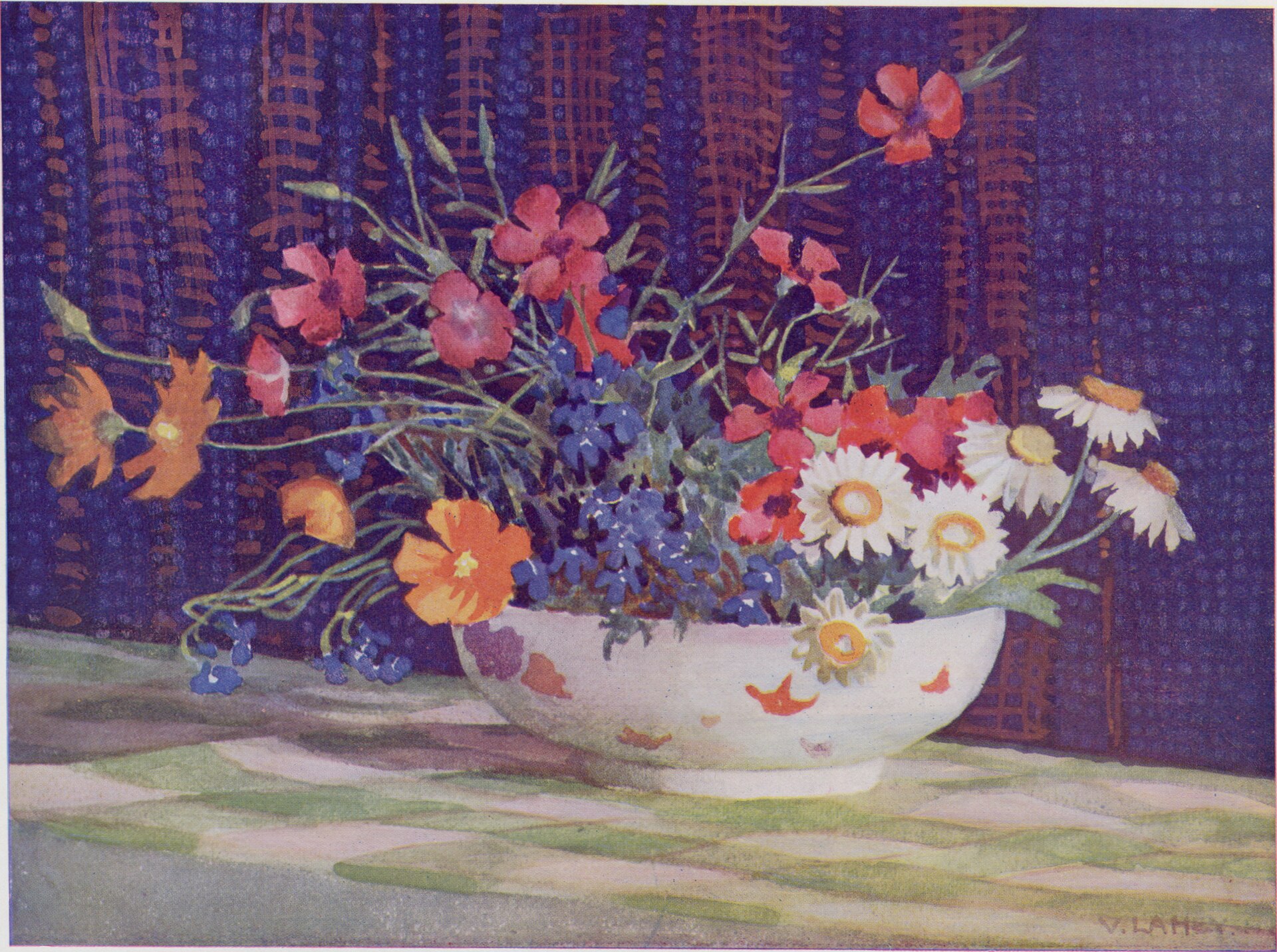
Returning to Queensland in the 1920s, Lahey became a central figure in Brisbane’s cultural life. Alongside sculptor Daphne Mayo, she helped establish the Queensland Art Fund and campaigned for better support for galleries, artists, and public art education. She taught both children and adults, served on advisory committees connected to the Queensland Art Gallery, and later wrote Art in Queensland 1859–1959, one of the first broad histories of Queensland art.
Lahey never married and devoted much of her life to painting, teaching, and promoting the arts in Queensland. In 1958 she was appointed an MBE for services to art. She died in Brisbane in 1968 after more than sixty years shaping Queensland’s artistic and cultural identity.

