
A little-known tragedy from Brisbane’s colonial past is being revisited as the basis for a new stage or screen play by Irish-Australian academic and QIA Member, Dr John Cokley.
The story centres on Eliza Coffey, an Irish immigrant from County Roscommon who died in Brisbane in 1863 after suffering fatal burns in a kitchen fire at Annerley. Her burial was identified more than two decades ago during archaeological excavations at the former North Brisbane Burial Ground, on the present-day site of Lang Park (Suncorp Stadium).
Those excavations, carried out in the early 2000s during redevelopment of the stadium, uncovered nearly 400 graves dating from 1843 to 1875. Most remains were badly degraded by flooding, soil conditions and later disturbance, making individual identification extremely difficult. In Eliza Coffey’s case, however, small fragments of preserved textile, buttons and coffin fittings survived, allowing researchers at the time to link the burial to documentary records of her death.
That identification has long been part of the archaeological record. What is new is the attempt to recover the human story behind it.
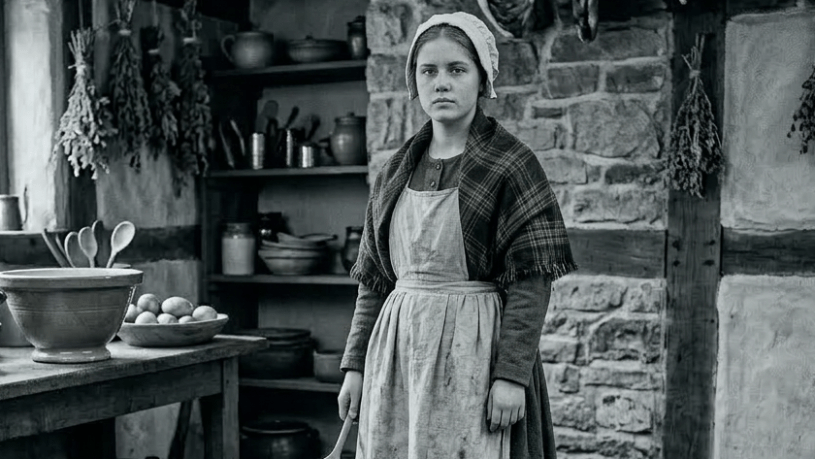
Dr John Cokley is now developing Eliza Coffey’s life and death as the basis for a screenplay or stage play, drawing on coronial records, immigration history and the social world of Irish women in colonial Brisbane. The project focuses on Eliza’s brief life in Queensland, her arrival as an immigrant, her employment, and the incident that led to her death.
Eliza Coffey arrived in Queensland at a time when thousands of Irish immigrants were disembarking at Queen’s Wharf and passing through the Immigration Depot at South Brisbane. During 1862–1863, that depot was overseen by Irish Matron Sophia Morphy, the government-appointed official responsible for the welfare and placement of immigrant women. Descendants of Sophia, nee Wilson, who had married Lieutenant Arthur Herbert Morphy, may hold family material relating to her work.
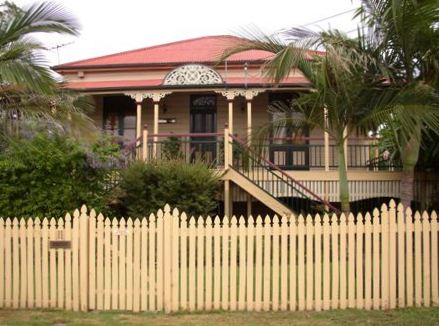
At the time of her death, Eliza Coffey was employed by Brisbane butcher John Cockerill, a prominent Irish settler whose activities are well documented in colonial newspapers. While the family home still standing today was built decades later, the Cockerills’ presence in Brisbane at the time is firmly established.
Dr Cokley says: “Prominent Irish butcher John Cockerill and his family were Eliza’s employers and witnessed her death at Annerley in 1863. We have the complete coroner’s handwritten case notes and verdict but we’d really like to know whether this story has been told down through the family to the present day and how that storytelling goes. I haven’t been able to find any local descendants of the butcher John Cockerill but he’s well recorded in Trove*, so there are probably some around. The Cockerill family home is public knowledge but this building (built in 1905) post-dates Eliza’s death.”
As part of this work, Dr Cokley is seeking contact with anyone who may have information relating to Eliza Coffey, the Cockerill family, Sophia Morphy, or Irish immigrant life in Brisbane during the early 1860s. Family papers, letters, diaries or passed-down stories may help place Eliza Coffey back into a fuller historical and cultural context and shed light on this 163-year old story.
If you have information that may help, contact johncokley59@gmail.com.
*Trove is an online Australian historic newspaper library.
by Mary Allen

