
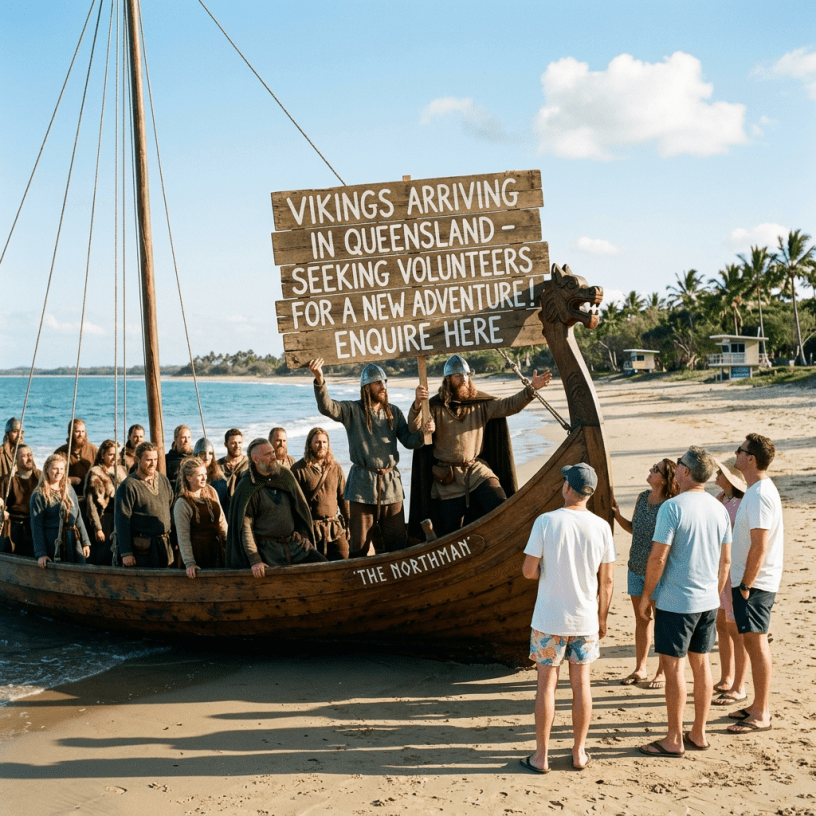
The call has gone out and it carries the clang of shields and the splash of oars — the Vikings are coming, and Queensland’s Celtic community is being invited to help bring them ashore.
Plans are underway for what organisers hope will become a major new cultural celebration, the Queensland Manx Viking Festival, with an inaugural planning meeting set for Saturday 21 February 2026 at the Marine Rescue and Sandgate Water Activities Club (SWAC) at Shorncliffe. Running from midday to 5pm, and complete with a sausage sizzle, the gathering aims to bring together volunteers, historians, performers, boat builders and community groups keen to help shape a festival planned for full launch in 2027.
Among the driving forces behind the initiative is Nigel Jeffares, President of the Queensland Irish Association’s Tara Hall Dining Club and President of Queensland Manx Society, reflecting the strong cooperation across Queensland’s Celtic organisations.
Nigel explained: “We are looking for people with woodwork skills, and expertise in building boats. If you’d like to be involved in helping us build longboats, curraghs and coracles (a lightweight skin-covered boat made out of reeds that can be carried on your back), please contact us. We are interested in anyone with a love of getting Viking boats with young people in them racing in a regatta in 2027. We are also looking for sponsorship to cover the costs of building the boats and holding the festival. The option is also there to sponsor a rowing team. We also are looking for acoustic musicians and Celtic dancers.”
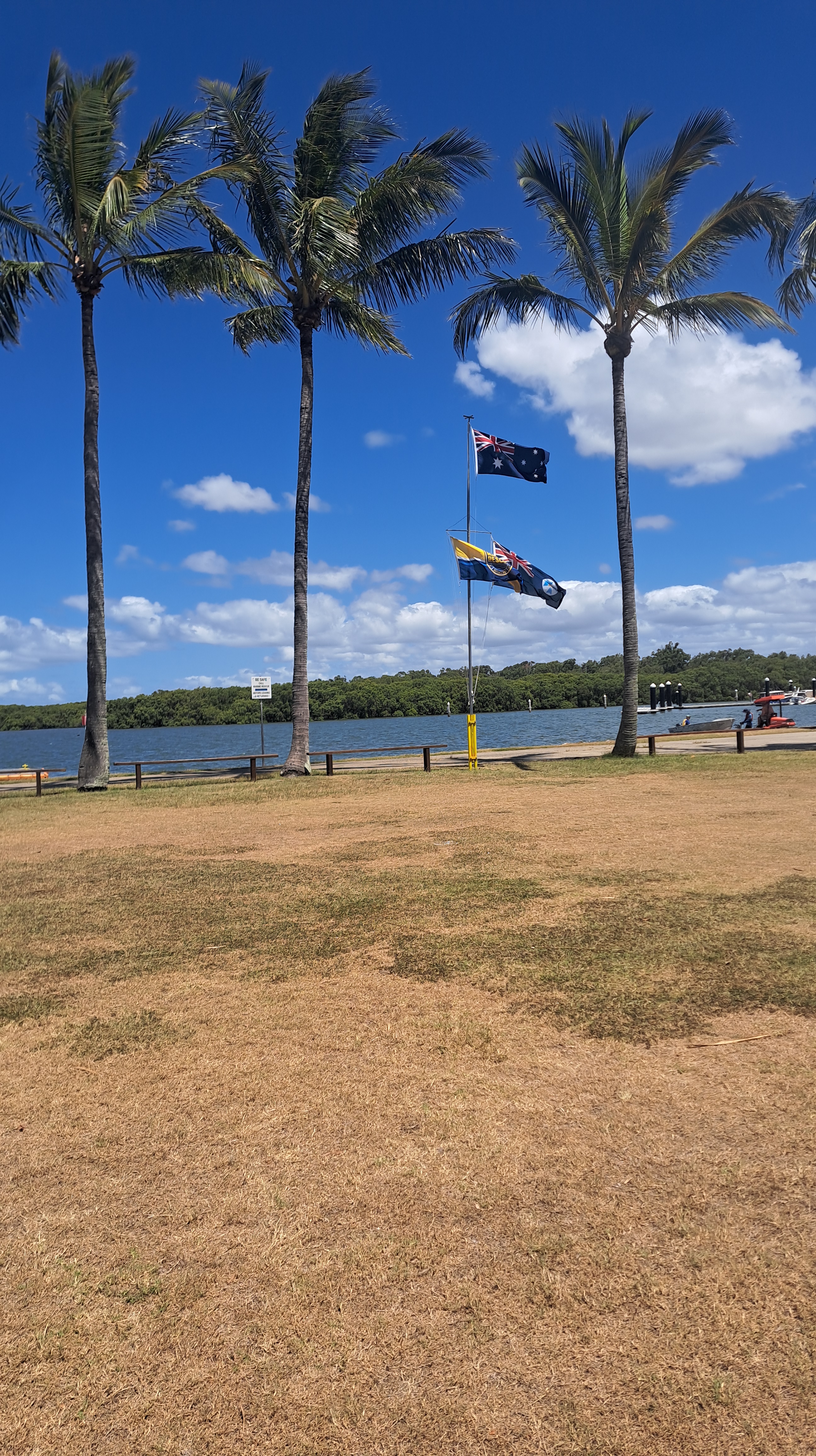
While Vikings are often remembered for raids, their history is closely linked to Ireland and other Celtic nations. Norse settlers founded major Irish coastal cities including Dublin, Waterford, Wexford, Cork and Limerick, creating trading centres that connected Ireland with Scandinavia, Britain and mainland Europe. Over time, Norse and Gaelic cultures blended, influencing language, commerce, maritime skills and shipbuilding traditions across Ireland, Scotland, the Isle of Man and parts of Wales.
The proposed festival will celebrate Manx, Viking and wider Celtic heritage through both land and water-based activities, including a regatta, historical re-enactments, traditional boat building, music, dance, craft displays and living history camps. The event is intended to be strongly family-focused and community-driven.
The Queensland Manx Society Inc., a not-for-profit organisation with a history spanning more than a century, is spearheading the project. The Society maintains direct links with the Isle of Man and hopes to draw on those connections to develop authentic boat building projects and regatta formats inspired by events in Douglas and Peel. The Society is affiliated with the Celtic Council of Australia (Queensland) and is working closely with the Brownsea Scout group, SWAC members and Marine Rescue volunteers.
Organisers say interest from Viking and Celtic enthusiasts has already been extraordinary, particularly due to the aquatic focus. While the long-term aim is to establish a major annual event, trial activities or a preview day may take place in 2026.
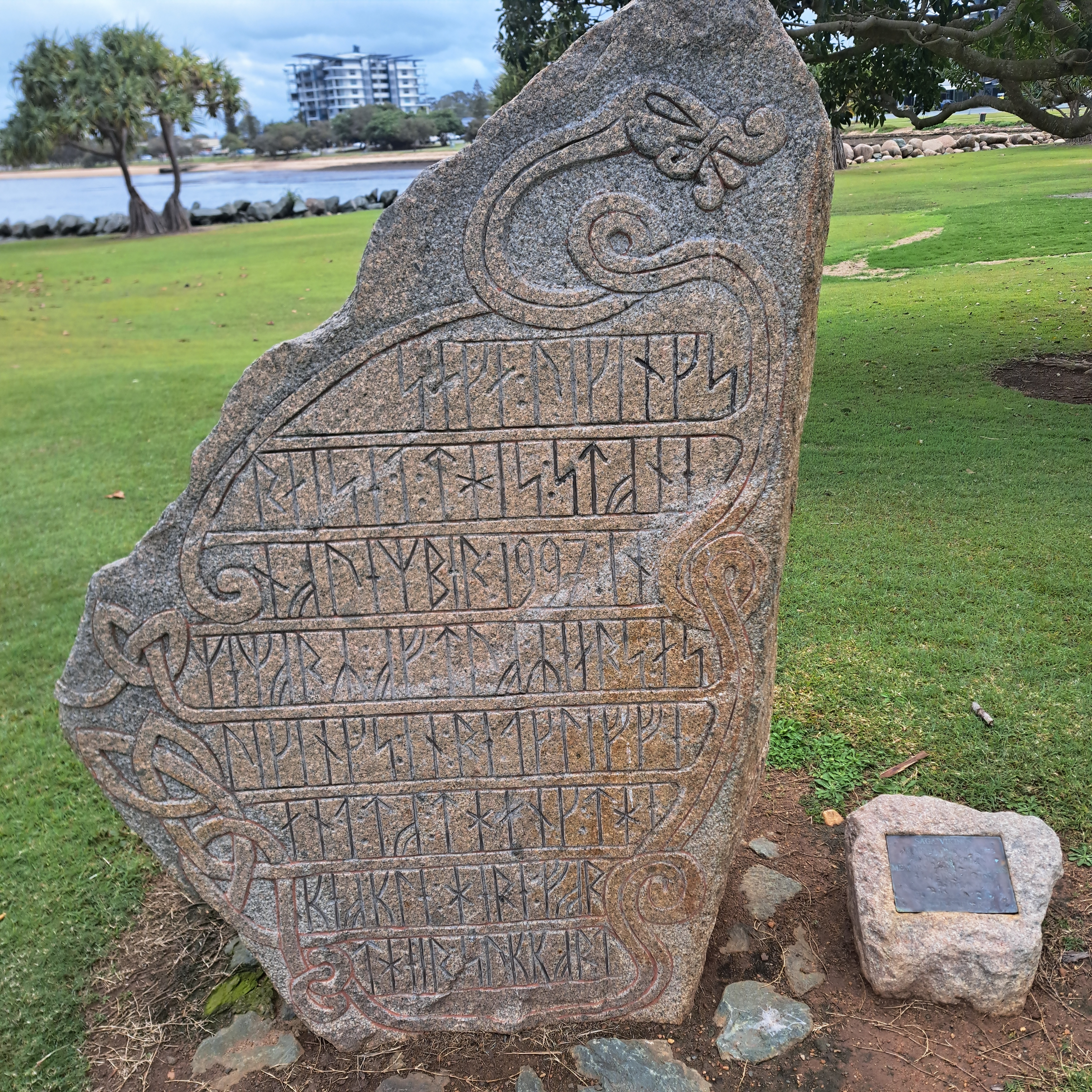
Clontarf in Moreton Bay is named after Clontarf in Ireland. A Viking rune stone at the Clontarf foreshore is a modern monument symbolically linking Norse heritage with Ireland, Scotland and the Isle of Man.
Nigel said: “We are going to do the reenactment through that period 800AD to 1250AD, including the Battle of Clontarf in Ireland, through to when the Vikings left the Isle of Man in 1250.”
The Battle of Clontarf took place on Good Friday, 23 April 1014, near Dublin. High King Brian Boru defeated a Leinster and Viking alliance but was killed while praying in his tent, traditionally said to have been slain by the Viking warrior Bróðir. Although the battle weakened Viking military power in Ireland, Norse and Gaelic cultures continued blending, particularly in coastal trading towns.
To become involved, join the Queensland Manx Society group at www.facebook.com/groups/queenslandmanx, visit queenslandmanx.org.au or email Nigel at nigel.jeffares@gmail.com.

