
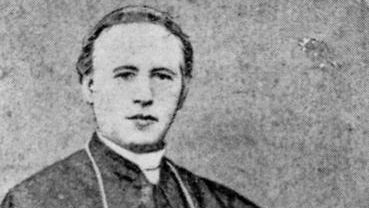
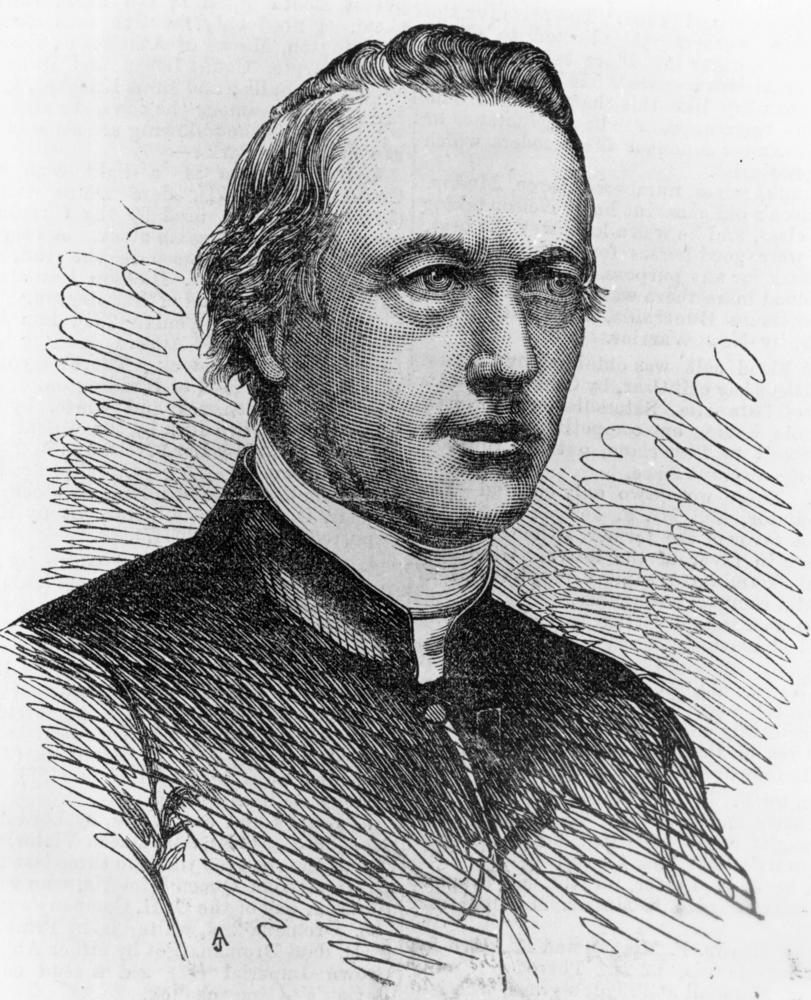
Prelate (First Bishop of Brisbane), promoter of Irish immigration, and founder of Catholic institutions
James Quinn (1819 – 1881) was the first Roman Catholic Bishop of Brisbane and one of the most influential Irish figures in colonial Queensland, helping shape the state’s Catholic schools, immigration networks, churches and social institutions.
Born in Athy, County Kildare, Ireland, in 1819, Quinn was educated in Ireland and Rome before becoming a priest in Dublin. In 1859, only months after Queensland separated from New South Wales, he was appointed bishop of the brand-new Diocese of Brisbane and arrived in a colony with very little Catholic infrastructure.
Quinn immediately set about building institutions almost from scratch. He recruited priests, Christian Brothers and religious sisters from Ireland, believing education and community structures were essential if Irish Catholics were to establish themselves successfully in Queensland.
One of his most ambitious projects was the Queensland Immigration Scheme, through which thousands of Irish migrants — many of them poor rural Catholics — were encouraged and assisted to settle in Queensland. This dramatically strengthened the Irish presence in the colony and helped shape the demographic character of many Queensland Catholic communities.
Quinn also played a major role in expanding Catholic education. He invited Mary Vincent Whitty and the Sisters of Mercy to Brisbane in 1861, leading to the establishment of All Hallows’ School and a wider Mercy network of schools and charitable work across Queensland.
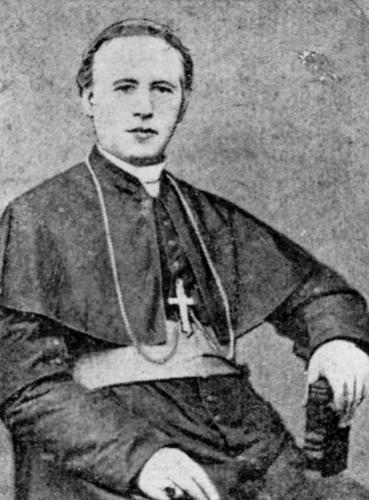
Beyond education, Quinn pushed for the construction of churches, convents and Catholic institutions throughout the colony. He was heavily involved in the early development of St Stephen’s Cathedral in Brisbane, which became the centre of Catholic life in Queensland.
Quinn could also be a controversial and forceful figure. He fiercely defended Catholic education against attempts to create fully secular schooling systems and was deeply engaged in sectarian and political debates of the era.
Another significant part of his legacy was helping create a pathway for Irish women religious into Queensland. Under his episcopate, orders such as the Sisters of Mercy became central not only to education, but also to health care, orphan care and welfare services in the colony.
When Quinn died in Brisbane in 1881, he left behind a vastly expanded Catholic network compared to the tiny diocese he had inherited two decades earlier. Much of Queensland’s Irish-Catholic institutional structure — schools, churches, convents and migration chains — traced directly back to his leadership.
He was laid to rest in a vault in St Stephen’s Cathedral. He is memorialised with a marble statue at St Stephen’s Cathedral, a bust at All Hallow’s School, and O’Quinn Street in Nudgee Beach is named after him.

