
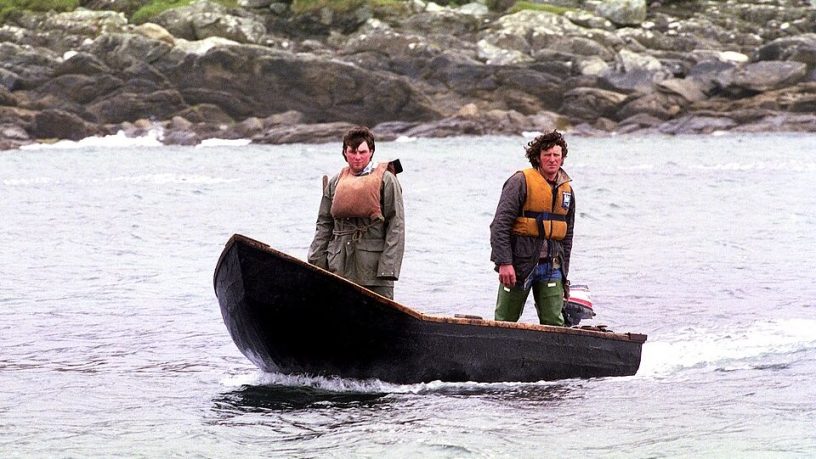
The Queensland Manx Society Inc. is calling on volunteers to help bring an ancient maritime tradition back to life as it embarks on an ambitious project to build traditional currachs and coracles ahead of a new Viking and Celtic festival in Queensland.
Working in partnership with the Wooden Boats Association of Queensland, the society has launched a six-year boatbuilding programme that will see volunteers construct a fleet of traditional vessels for use in cultural displays and racing events.
The project forms part of plans for the proposed Queensland Manx Viking Festival, which will celebrate the Isle of Man’s unique Celtic and Norse heritage through land-based activities and a regatta showcasing traditional boats.
Society president Nigel Jeffares said the organisation is keen to hear from anyone interested in learning traditional boatbuilding skills or helping crew the vessels once they are launched.
“We’re inviting people from Celtic, Gaelic and maritime organisations, along with anyone interested in traditional wooden boats, to become part of the project,” he said.
“Whether you have experience or simply want to learn, we’d love to hear from you.”
While the festival will celebrate the Isle of Man’s Viking past, currachs represent an even older Celtic maritime tradition that stretches back thousands of years.
The currach is one of the oldest surviving boat designs in Europe. Traditionally built from a lightweight wooden frame covered with animal hides coated in tar, modern currachs are generally covered with canvas or other waterproof materials. Their remarkably light construction allows them to be carried ashore by just a few people, while their flexible hulls make them exceptionally capable in rough Atlantic waters.
For centuries, currachs were the lifeblood of coastal communities across Ireland and the Isle of Man, used for fishing, transporting livestock, carrying turf and making journeys between islands. They have also become woven into Irish folklore and history, with the best-known story being that of St Brendan the Navigator, who is said to have sailed a leather-covered currach across the Atlantic in the sixth century.
Coracles, which are also planned for the Queensland project, are another ancient Celtic craft. Smaller and usually circular or oval in shape, they have been used for thousands of years on the rivers of Wales, western Britain and Ireland. Their lightweight design made them ideal for inland fishing and easy to carry from one waterway to another.
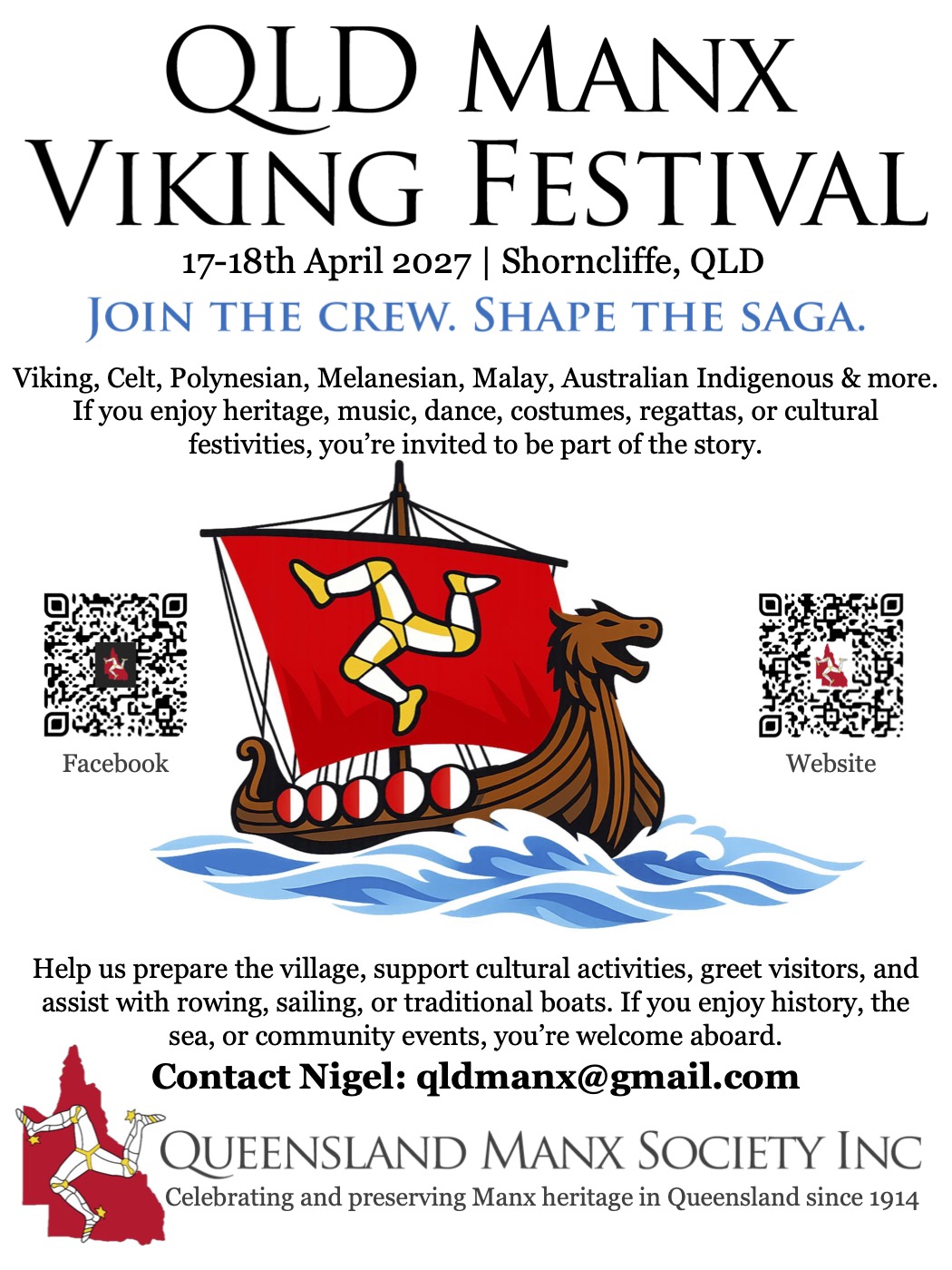
The Queensland Manx Society Inc. believes racing these traditional craft will become a distinctive feature of its future festival, celebrating the shared maritime heritage of the Celtic nations.
The boatbuilding initiative is also part of a broader renewal for the society, which recently relocated to the Sandgate Water Activities Centre at Shorncliffe. The move has helped attract new members and provided a permanent base for events, including this year’s successful Tynwald Day celebrations.
In another milestone, the society has digitised much of its historical archive and deposited records with the State Library of Queensland to preserve the history of the Manx community in Australia.
With volunteers now being sought for the currach and coracle project, the society hopes to build not only a fleet of traditional boats, but also a community of people committed to preserving one of the Celtic world’s oldest maritime traditions.
The Queensland Manx Viking Festival will take place on 17th to 18th April 2027 at Shorncliffe, Queensland. For further information, contact Nigel (QMS President): qldmanx@gmail.com or go to https://queenslandmanx.org/
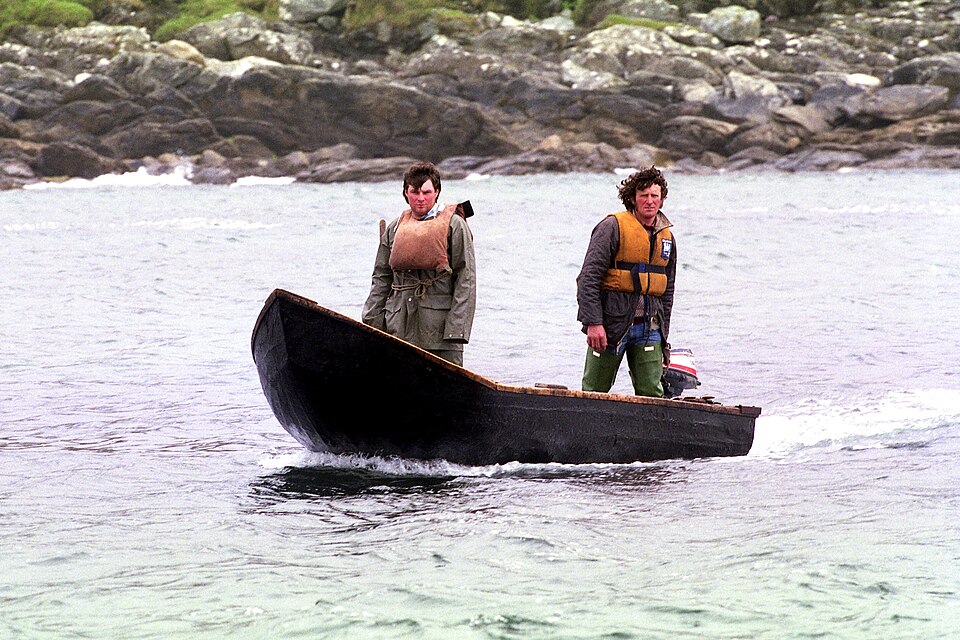
Main picture: Fishermen in a currach with outboard motor on their way back to the harbour on the Irish west coast in the summer of 1986. Source: Wikipedia Commons

