
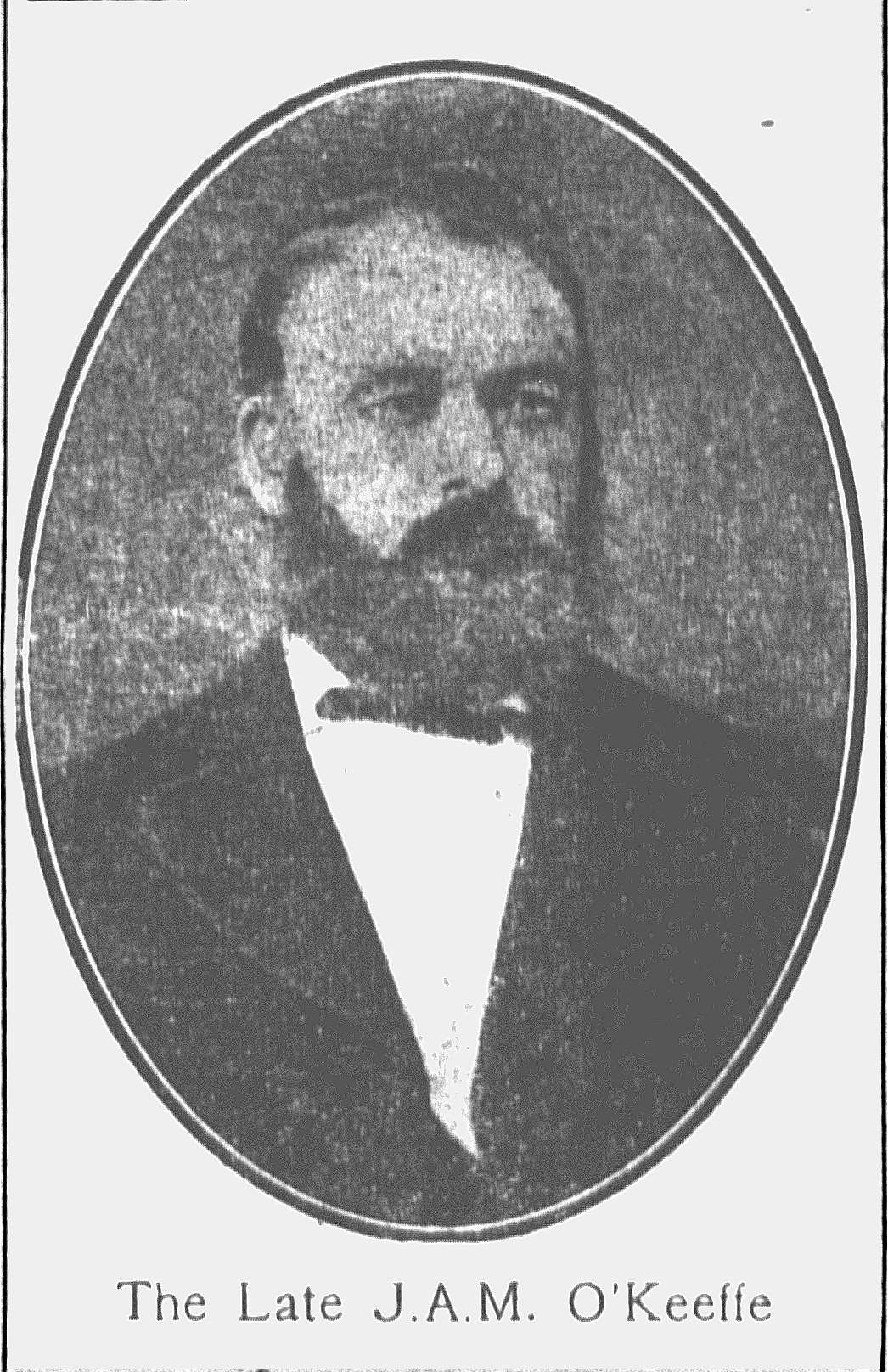
John Arthur Manus O’Keeffe, known widely as a builder and pioneer, embarked from Cork at the age of 28 aboard the Fiery Star, a ship that symbolised both tragedy and opportunity for many Irish emigrants seeking new horizons in Australia. Arriving in Rockhampton on November 18, 1864, after a challenging 92-day voyage from Queenstown (now Cobh), Ireland, O’Keeffe’s journey marked a pivotal moment in his life.
The significance of the Fiery Star in O’Keeffe’s narrative is underscored by its own tragic fate. On 11 May, just months after O’Keeffe’s arrival in Australia, the sailing ship Fiery Star caught fire and sank off the coast of New Zealand, resulting in the loss of 79 lives. This calamity, although not directly affecting O’Keeffe, added a somber note to his own journey and highlighted the perils faced by those navigating the treacherous waters of the Southern Hemisphere.
Within weeks of his arrival, O’Keeffe began to carve out his legacy in Queensland. Initially drawn to Toowoomba by the burgeoning railway developments, he later seized upon the opportunities presented by the Gympie gold rush of 1867. Despite financial setbacks and the collapse of banks, O’Keeffe navigated Queensland’s economic challenges adeptly, utilising land orders to secure substantial property holdings near Gympie’s prime timber resources.
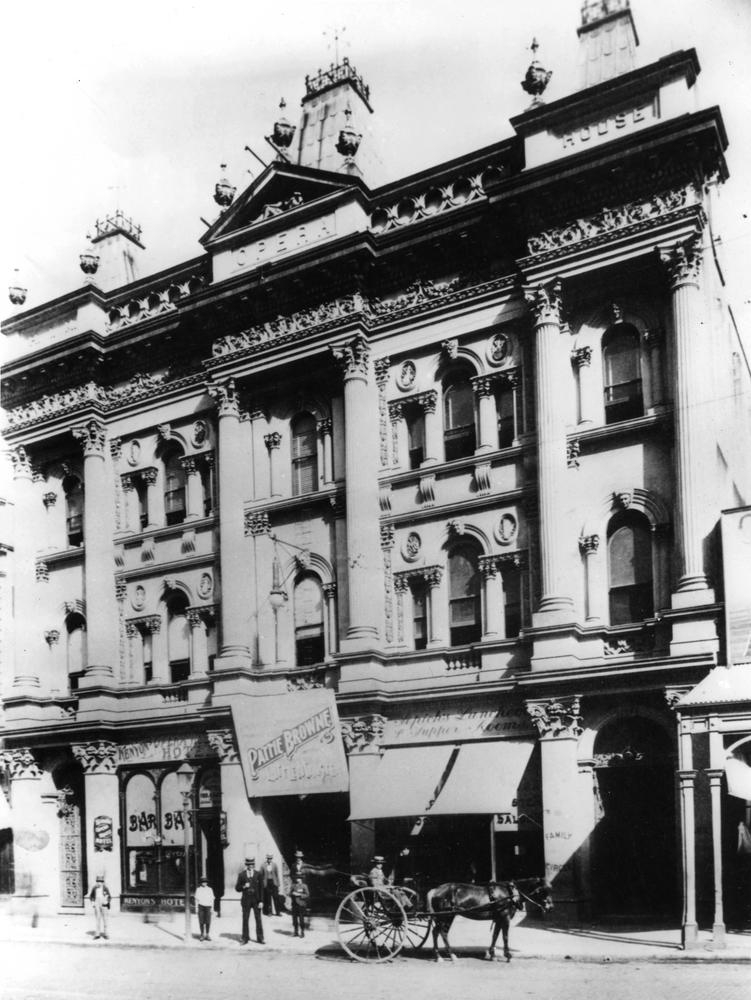
Under the alias “Arthur,” O’Keeffe diversified his pursuits, alternating between roles as a miner, settler, and eventually a distinguished building contractor in Brisbane. His portfolio of works includes significant public buildings such as St Joseph’s College, Gregory Terrace (1876), and Her Majesty’s Theatre (1888), notable for its opulence and early adoption of electric lighting.
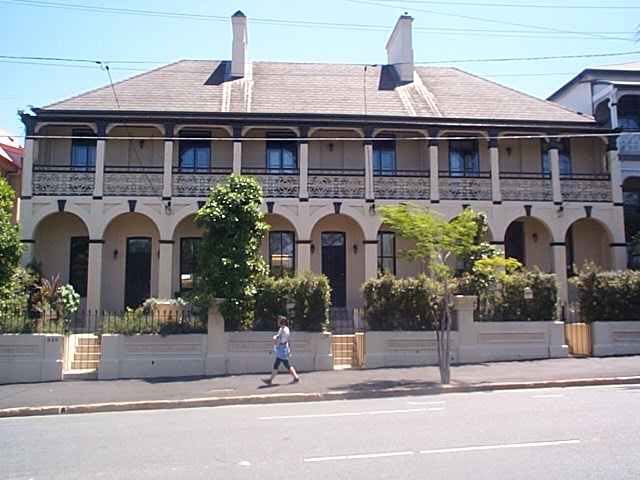
Beyond public commissions, O’Keeffe’s talents extended to private residences, including Palma Rosa in Hamilton and O’Keefe’s Buildings ornate stone terrace houses along Petrie Terrace, each contributing to Brisbane’s architectural landscape. Despite professional success, personal tragedies punctuated O’Keeffe’s life; only four of his eight children survived, none of whom married or had children themselves.
A fervent Irish nationalist, O’Keeffe co-founded the Queensland Irish Association (QIA), advocating passionately for Irish causes. He championed the commemoration of the 1798 Rebellion on its centenary, declaring, “No race under heaven have suffered like the Irish, and after 700 years persecution and war they are unconquered yet.”
Proud of his lineage, O’Keeffe meticulously documented his ancestry back to the Kings of Munster. He died in 1913 rests in Nudgee Cemetery, his modest headstone situated within the Mooney family plot, a testament to his enduring ties with his wife Ellen Mooney’s family.
John O’Keeffe’s legacy is woven into Brisbane’s architectural fabric.


